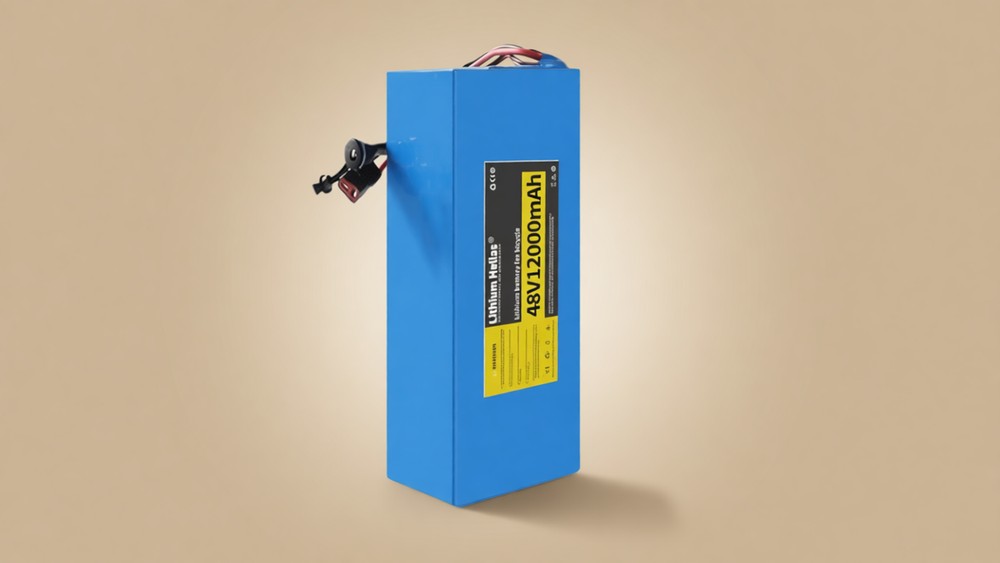
The 576Wh pack at 19 cents per Wh recorded a fair price and a clean spec sheet, and then the whole Lithium Hellas storefront retired, every ASIN at once, leaving riders with orphaned hardware. Warranty and spares died with the brand, and that is the real subject of this article. Nobody wins when a manufacturer disappears mid-life. The lesson applies to every small-brand pack you are considering.
The orphaned-pack problem: when a storefront dies
When a brand retires every listing in a short window, the hardware you own loses its path to support. A warranty claim needs a company behind it, and replacement chargers, BMS boards, and cells need a source. This brand's exit means an owner with a failing pack holds a brick that no one will service, and the secondhand market prices that in: an orphaned pack from a dead brand sells for almost nothing.
Brands that keep a storefront alive let you buy spares years later, which is part of what the premium price buys. The recorded price of 109 for 576Wh was fair on paper, but the paper assumed the seller would exist through the pack's life. It didn't. That is the risk every budget buyer takes with an unknown name, and this exit is the case study.
The pattern repeats across this catalog: three Lithium Hellas ASINs retired together, and other thin-listing brands have done the same. Storefront longevity is a spec you can check before you buy, and it belongs next to capacity and price on every comparison.
There is one counterweight worth stating. A live storefront is not a guarantee either, because sellers can relist under new names and marketplaces can drop brands for policy reasons. The five checks work together as a net, not a chain: any single check can be faked, but faking all five is expensive enough that the honest brands and the risky ones separate on their own. That separation is exactly what you are paying the premium for.
The 30A ceiling and the range decode
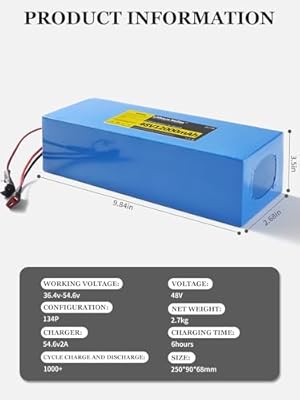
The 30A BMS at 48V supports about 1440W of continuous draw, which covers a 1000W motor with headroom for climbs. The 250W floor in the claim is marketing noise, because every motor draws current the moment it spins. The ceiling is what matters, and this one sits comfortably above the motors the pack targets.
The pack held 576Wh, and about 490 of those are usable at the 85% rule. Light pedal assist at fifteen to twenty-five watt-hours per mile covers twenty to thirty-three miles. Throttle-heavy riding at thirty to forty Wh per mile drops that to twelve or sixteen. The brand's 35-to-50-mile claim sits at the optimistic edge of pedal assist only, so plan trips on the derived numbers.
For a 12Ah pack, those bands put it in commuter territory. A rider covering eight miles each way gets most of two days on one overnight charge. A 25-mile-each-way commute is beyond this pack in a single day, which is the signal to buy a larger one. Matching the band to your real weekly miles is the step that prevents both disappointment and overbuying, and it costs nothing but arithmetic.
The cycle claim carries the same discount. Fifteen hundred cycles without a named cell brand is a spec-sheet number, and generic NMC packs live closer to the five-hundred-to-thousand band. The included 2A charger needed about six hours for a full fill, which made overnight charging the routine.
There is a resale experiment that proves the orphaning point better than any argument. Search any marketplace for packs from exited brands and compare their asking prices against identical-spec packs from live brands. The dead-brand units sit at half price or lower and still don't move, because buyers know a pack without support is a pack with a countdown on it. The discount you avoided at purchase is the discount you would pay at resale.
What to check before any small-brand pack purchase
Five checks, learned from this exit. First, storefront age: a seller with years of history has already survived the hard years. Second, review history that reads like real riding. Third, the cell brand named in writing, because cycle life claims mean nothing without it. Fourth, the BMS amperage stated, because that number sets your motor ceiling. Fifth, a verifiable certification and a real return window.
If any one of the five fails, treat the price gap to a known brand as an insurance premium. Small shops that disappear after a year take their warranties with them, and the discount they offered was the premium you paid for the risk. Buying hardware whose seller invests in staying listed is itself a safety filter.
One more signal lives in the listing itself. Sellers who name their cells, state their BMS amperage, and publish real dimensions are sellers who expect scrutiny, and scrutiny is what keeps a pack honest. Listings that hide behind garbled titles and vague claims are announcing that the cheap price is the whole pitch. The battery table exists partly to make those comparisons visible in one place.
Who this lesson serves, and where to spend instead
The pack is no longer purchasable, so this article serves buyers choosing among current alternatives. The rule the exit teaches: spend where the storefront outlives your warranty. The VISET LI 15Ah is the honest small-pack alternative with a live family behind it, the Hawkvium 52V 25Ah is the certified middle ground, and the generic 10Ah shows the fire-risk tier below. Sort the whole field on the battery table and check the current 48V 12Ah listings.
Frequently Asked Questions
Can I still buy this battery?
No. The whole storefront exited and every listing retired. New stock of this hardware is effectively gone.
What happens to my warranty?
It is orphaned. The brand no longer exists to process claims, and the pack's resale value drops with it.
How much range will I actually get?
Twenty to thirty-three miles on pedal assist, or twelve to sixteen throttle-heavy. The brand's 35-to-50-mile claim was the optimistic edge.
How long will the battery last?
The brand claimed fifteen hundred cycles, but with unnamed cells the honest estimate is the 500-to-1000 band.
What should I look for in a new battery?
Storefront age, named cells, a stated BMS amperage, verifiable certification, and a fair return window. Five checks, and the price premium of a known brand is the insurance.
Can I still get parts for an orphaned pack?
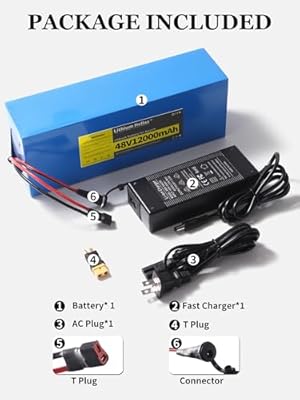
Sometimes, through third parties. Chargers are the easy part, because a 54.6V 2A unit is a standard item. BMS boards and cell groups are harder, since opening a pack means spot-welding, and a mismatched replacement cell can unbalance the group. For most owners the honest answer is that an orphaned pack is a run-to-failure asset, not a serviceable one.