Most ebike batteries are consumables: three years, a thousand cycles, done. This LiFePO4 36V 12Ah pack is built on iron phosphate chemistry that claims double that life, with a fire risk so low people charge it next to their front door. The price is weight and bulk, and the 5.0 star listing has only 8 reviews to back it up.
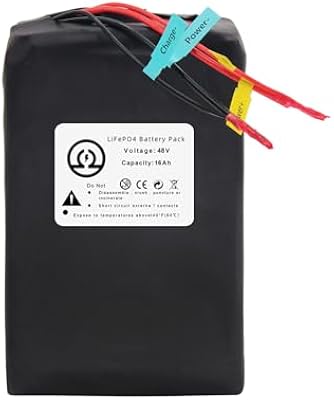
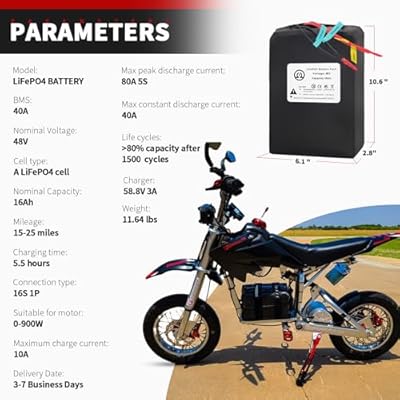
As mentioned above, the primary drawback of this battery is its physical dimensions. LiFePO4 cells generally have a lower energy density than traditional lithium-ion cells. As such, this particular 432Wh pack is both physically larger and heavier than a comparable pack utilizing standard lithium chemistry. The additional mass affects the bike's overall handling, particularly during hill climbs. Furthermore, since the pack does not integrate directly into the frame, you will need to make arrangements for either a bag or bracket system to secure it to the bike.
While you may accept that this may affect the aesthetics of the bike, and potentially limit your options regarding where you can mount the pack, i believe the benefits of the pack outweigh these drawbacks. Specifically, i think the flexibility of external mounting, while limiting aesthetic options, is a significant benefit. The pack is a tool for utility rather than a decorative element.
The technical specifications of the pack clearly reflect a focus on maintaining a consistent level of performance. The inherent stability of the LiFePO4 chemistry is due in part to the fact that the oxygen atom is tightly bonded to the iron atoms within each cell. This makes it far more difficult for the battery to ignite relative to a standard lithium-based battery. Therefore, storing this battery in proximity to your home offers an added layer of peace of mind.
The included 3A charger is capable of providing a complete charge to the pack in approximately four hours. This represents a relatively quick recharge time given that LiFePO4 can accept higher levels of current flow without suffering from the rapid heat buildup common in standard lithium-based cells.
Real-World Range and Power
In terms of actual riding range, there are multiple variables at play. A lighter rider on a 250W motor on flat terrain may achieve a range of 30 miles or greater depending upon his/her throttle technique. On the other hand, a heavier rider operating a 500W motor on hilly terrain could expect his/her range to fall to 15 miles or fewer. One reason for this disparity lies in the flat discharge curve of this pack. Rather than experiencing a precipitous decline in available power when the battery reaches a certain percentage depletion, power availability decreases gradually and steadily.
Another important variable affecting this battery's performance is temperature. The capacity of LiFePO4 cells declines sharply in temperatures below freezing. Consequently, you should never attempt to charge a cold battery. Instead, you should always bring your battery indoors prior to charging it if you reside in an area prone to sub-freezing temperatures. Allowing your battery to charge while it is still cold results in permanent degradation of the cells. This is an immutable characteristic of the LiFePO4 chemistry.
The consistent power delivery throughout the ride is another key advantage of this pack. Unlike many standard lithium-based batteries that exhibit a sagging voltage as the pack becomes depleted of its stored energy, this pack continues to deliver consistent torque whether you are approaching the end of your ride or just starting out. For commuters relying heavily on motor assistance for extended periods of travel, this feature alone can be a significant advantage. Riders are able to maintain a consistent speed and avoid the frustration experienced when using lower-cost batteries with declining power availability as they become depleted.
What Amazon Reviewers Are Saying
At present, this listing boasts a 5-star rating from eight customers. Due to the fact that this is a multi-variant listing, some comments may refer to various versions/voltages/capacities of this product. At this point we lack sufficient evidence to verify the manufacturer's claim of 2000+ cycles in real world applications over multiple years. Nonetheless, customer feedback from initial buyers emphasizes the perceived quality of construction and rate of charge.
Several reviewers comment positively on the build quality of this battery pack. Many praise the ruggedness of this unit. The connectors are frequently highlighted as an asset for builders creating custom configurations. Several reviewers specifically cite the dual XT90 connectors as an advantage allowing them to create connections without requiring soldering.
However, some reviewers express displeasure at the weight associated with LiFePO4 chemistry. While less dense than NMC chemistry, it produces a noticeable difference in weight relative to equivalent NMC packs. If you're someone building an ultra-lightweight racing configuration, this will likely be disappointing. Nevertheless, if you view yourself as an ultra-commuter who needs an ultra-reliable workhorse, you'll likely view the increased weight as a reasonable tradeoff for the extended lifespan.
The overwhelming opinion appears to be that this battery operates as expected for 36V systems.
Who Should Buy This
If you are a daily commuter who desires a battery capable of lasting five years or more, this product is worth considering. If you store your bicycle indoors where it will remain safe from fires caused by overheated lithium cells due to excessive charging rates or exposure to extreme temperatures, then this is definitely worth serious consideration. Additionally, if you are developing custom ebikes and require flexible wiring options and/or external mounting points to accommodate your unique requirements, then this product may also meet your needs.
You probably shouldn't purchase this product if you're trying to shave off every single ounce of excess weight from your ebike. Likewise, if you have a requirement that necessitates fitting your battery inside your narrowest frame tube(s), then this won't fit your needs.
If you live in a region where extreme cold temperatures are prevalent and you are unable to safely store your ebike in an indoor environment prior to charging the pack (and therefore subject your battery to cold temperatures while attempting to charge it), then dealing with these charging limitations may prove to be annoyingly inconvenient for you. Finally, if you simply wish to maximize your range and minimize your battery size at all costs (i.e., you desire maximum range capability in an incredibly compact package), then stick with a standard NMC pack. Our battery comparison table lists every option by price per watt-hour, and the blog covers more chemistries and form factors.
Frequently Asked Questions
How is LiFePO4 different from regular lithium-ion?
Lithium Iron Phosphate (LiFePO4) is a specific lithium-ion battery technology that includes features such as enhanced safety when compared to most standard NMC/NCA battery chemistries, extended cycle life (2000 + cycles) and improved thermal stability. However, because of this design, LiFePO4 batteries are less dense by volume which translates to larger/heavier packs per unit of watt-hour capacity.
Will it work with my 36V controller?
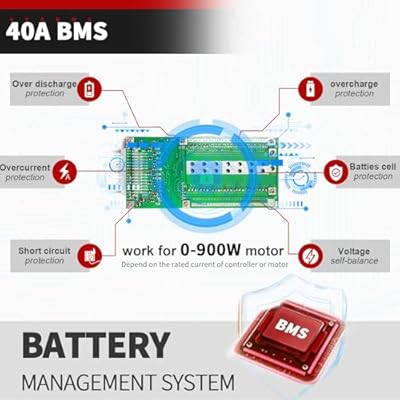
Yes, provided that your controller will accept input voltage at 36v. Your controller will also require verification of its current rating against the output of the BMS on the LiFePO4 Battery Pack. The XT90 connector style used on the LiFePO4 battery pack will likely require some form of an adapter to connect to a different style of connector.
How long does the 3A charger take?
Approximately 4 hours from completely discharged (to fully charged). LiFePO4 batteries do support faster charging then NMC based battery technologies however they do not build up excessive heat like NMC's.
Is LiFePO4 really safer?
Yes. In addition to being able to operate in hotter temperatures then standard lithium-ion cells, the thermal stability of LiFePO4 is greater then that of standard lithium-ion. therefore, there is a much smaller chance for it to enter a state of thermal runaway as rapidly as standard lithium-ion. This makes it suitable for indoor applications and charging.
Can I use it in cold weather?
Riding yes, with reduced capacity below freezing. Charging no: never charge below 32F/0C. Bring the pack indoors and let it warm up first.
Why is it heavier than a regular li-ion pack?
Lower energy density. You need more cell material for the same watt-hours, so the pack grows. That weight is the price of the safety and lifespan gains.