A battery listing can die before anyone proves it right or wrong, and that's the story of the Yose Power 48V 13Ah silver fish. It reached Amazon in February 2026, sat there without a single review, and was gone by late October of the same year. Everything anyone can still say about it comes from the spec sheet.
The sheet itself read more honestly than most. Its 20-amp board was sized above the 700W motor ceiling it advertised, its charger voltage matched its own label, and its two charge-time figures still argued with each other by two hours.
What's below: what the recorded numbers said about range and weight, where the cycle-life promise sat against the published cell data, and what a replacement has to match if your frame still holds a silver fish base.
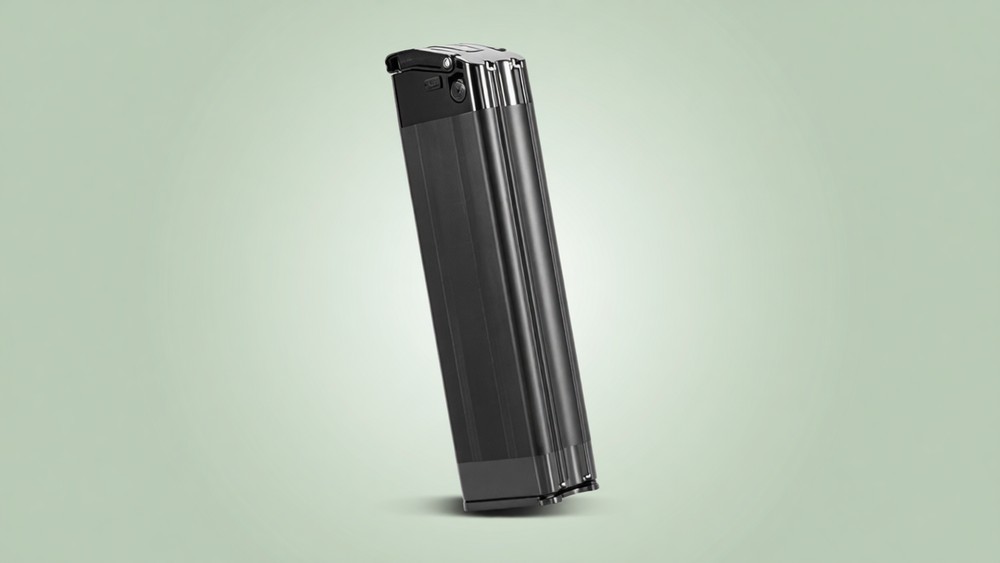
My read of the recorded sheet is that this was a sensible mid-size pack with nothing exotic in it. Six hundred watt-hours, an honest board, a charger that did the voltage math right, and a form factor that hides under the saddle. If that shape suits your frame, the 48V silver fish class on Amazon is where the live equivalents sit.
A listing that never got its day
Zero reviews is the fact that shapes everything here. The pack went live in February 2026, the previous article was written the next month with no buyer record at all, and the listing vanished before the record ever grew. No range reports, no failure stories, no fitment notes, nothing.
Whatever you read about this pack, including everything below, is a read of what the listing promised rather than what owners have found.
That's also why this article can't tell you whether the pack was good. It can tell you what the sheet claimed, which of those claims the published cell data supports, and what to check on any replacement you're considering. Treat the absence itself as information: a pack with no track record is a gamble a return window has to cover.
The spec sheet, line by line
The core numbers close cleanly. Thirteen amp-hours at 48 volts is 624 watt-hours, a mid-size tank for the voltage. The recorded charger was 54.6 volts, which is thirteen cells times 4.2, standard 13S math for a 48V-label lithium-ion pack.
Unlike several sibling listings this campaign has rebuilt, the label and the charger agreed with each other.
The board was the part worth noting. Twenty amps maximum at 48 volts is a 960-watt ceiling, set against a stated motor limit of 700W. That's the honest direction: the board sized above the motor it was sold for, with about a third of headroom for startup spikes and climbs.
Listings in this tier more often print a board number the motor can't safely approach.

The recorded convenience features were a 5V 1A USB output for charging a phone off the pack, and an LED gauge that woke on a double press and slept after about two seconds. The case mounted behind the seat tube on a clamp base held by a single bolt, and the key lock doubled as the power switch, so an unlocked pack was an off pack.
The connectors it named
The listing named XH370-10J and ZL1010-F as the discharge connectors it matched. Those are model stamps, and they matter more than any other line on the sheet, because a silver fish shell is only a drop-in if the connector on your old pack's base matches. The stamps are printed on the connector itself, so the check takes thirty seconds with the old pack in hand.
Charging: one tank, two stories
The voltage closed, the clock didn't. The recorded sheet quoted eight hours in the bullet points and six hours in the technical specs for the same bundled 2A charger.
Run the floor yourself: 13Ah divided by 2A is 6.5 hours from empty, so the spec-side figure rounded below its own minimum, and the bullet-side figure allowed for the taper at the top of the charge. Plan on about seven and treat the six as marketing.
That two-hour argument is a small thing, but it's the kind of detail worth checking on any replacement listing, because charge-time claims are where sloppy sheets give themselves away first.
Range and weight as arithmetic
No owner ever measured this pack's range, so the fairest figure comes from scaling the em3ev range table, which puts a full 48V 20Ah tank of 960 watt-hours at 30 to 40 miles on the throttle and 50 to 65 on low pedal assist.
This pack's 624 watt-hours is 65 percent of that energy, so the scaled math lands at roughly 20 to 26 miles on the throttle and 33 to 42 with light pedaling. Those are numbers you can check against the source, not promises, and hills, cold and rider weight all cut them down.
The recorded weight was 8.8 pounds, about four kilograms for 624 watt-hours, or 0.156 kWh per kilogram at pack level. Against the Wikipedia lithium-ion cell band of 160 to 300 Wh/kg, that figure closes only with mid-band cells under a light case. It's a tight reading, and one that deserves a scale check on arrival if you ever buy from this family again.
What a replacement has to match
The listing offered the same shell and base in 10.4Ah, 13Ah and 20.8Ah capacities, swappable on one clamp base. That family plan is what the listing leaves behind: if your frame holds a silver fish base, any of the live rungs in the family is a candidate, and the base you own doesn't change.
In order, the checks are the rail profile and clamp diameter, the discharge connector stamp on your old pack, the full-charge voltage on the charger, and then the capacity you actually need.
The cycle-life promise on the dead listing claimed 78 percent capacity after 1,000 cycles and 1,000 to 1,200 total, which sits at the very top of the Wikipedia band of 400 to 1,200 cycles, where cycle life ends at 80 percent of rated capacity. Attribute that to the listing.
On any live successor, treat a cycle claim at the ceiling as a promise to verify inside the return window rather than a fact to plan around.
No price was ever recorded for this pack, so there's no value comparison to hand down. The 10.4Ah rung of the same shell and the 20.8Ah top of the family both carry recorded prices in their reviews, and the battery comparison table tracks the whole market per watt-hour. Current silver fish listings on Amazon are the direct replacements.

FAQ: the headroom a 960-watt board carried, the charger math that closed clean and the three capacities one clamp base keeps
How far would 624 watt-hours actually go?
On the scaled math, roughly 20 to 26 miles throttle-only or 33 to 42 miles with light pedal assist. No owner ever measured the pack, so these are figures scaled from a live range table, not reports.
Was the 20A board enough?
It was sized with room to spare. Twenty amps at 48 volts is 960 watts against a stated 700W motor ceiling, so the board carried the motor's spikes without sitting at its limit.
Did the charger voltage match the pack?
Yes, and that's worth saying because so many listings in this class get it wrong. 54.6 volts is correct 13S math for a 48V-label pack. The charge-time figures were the numbers that didn't agree.
How long would a full charge take?
About six and a half hours from empty on the recorded 2A charger, by the floor math. The listing itself quoted both six and eight hours for the same job. Plan on seven.
What connectors did it use?
The listing named XH370-10J and ZL1010-F. Match the model stamp printed on your old pack's discharge connector before ordering any replacement.
Is a silver fish pack a good choice for a replacement today?
The form factor hides the pack under the saddle and keeps the frame clean, which some riders prefer to a downtube shell. The trade is that fitment is stricter: the rail profile, clamp base and connector all have to match. If your frame already takes one, the family logic holds and any live rung in the same shell is a candidate. The downtube VEVOR 48V 13Ah died unreviewed the same season, so check what a listing has proven before trusting its shell.