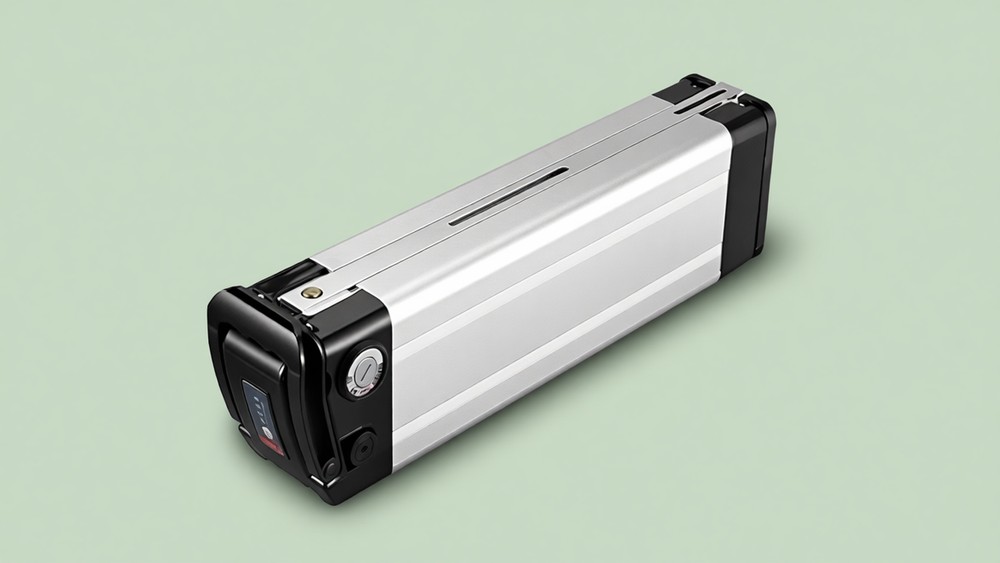
Replacing a silver fish pack means matching a shape first and a spec sheet second. The rails bolt to the downtube bosses, the slide takes one cross-section, and a pack that is off by a few millimeters is a wall ornament. That constraint shrinks the market before price even enters.
Most packs that survive the filter arrive as a bare cell box: no charger, no lock, no way to top up a phone on the road. YLuBik's 48V 13Ah took the other road and shipped the whole kit - USB port, keyed lock, charge indicator, bracket, charger. Kit contents were the pitch, more than the energy inside.
That listing is gone from Amazon now, which turns the question from 'should I buy it' into 'what was it, and what replaces it'. A replacement buyer needs three things from it: the kit contents, an honest power ceiling, and a range figure that survives arithmetic. All three are below.
The pitch was the kit, and the recorded kit list holds up. YLuBik's 48V 13Ah silver fish pack shipped with a USB output, a keyed lock, an LED charge bar, a mounting bracket and a charger, which put it a shelf above the bare-cell boxes common in this shape.
The energy inside was ordinary: 624 watt-hours for 159.99, which is 0.26 per watt-hour and close to the middle of everything in our comparison table. It was neither a bargain nor a rip-off. What it never had was a published current rating, and that gap is the part worth thinking about.
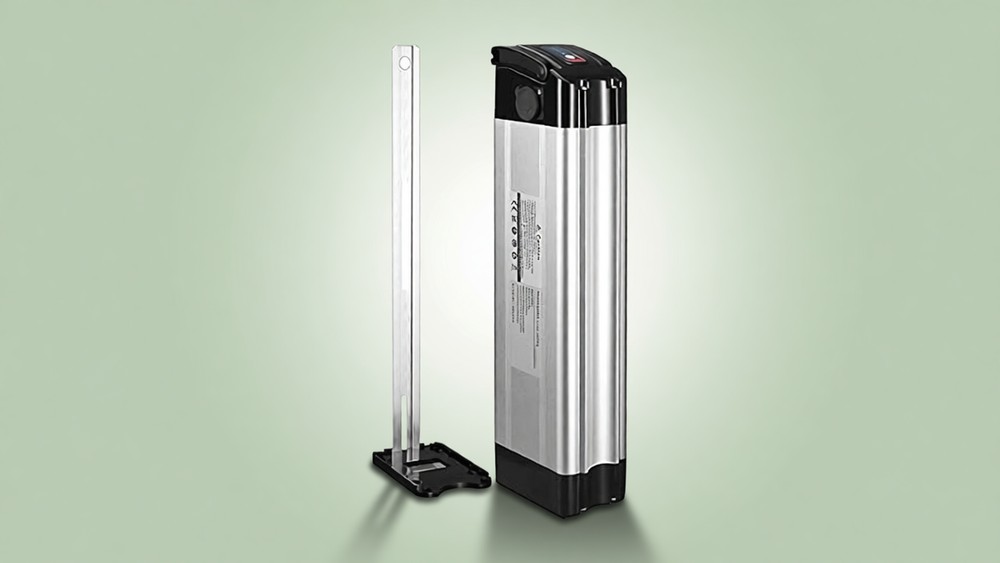
What the kit actually included
The recorded kit list runs: bracket with bolts, keyed lock with keys, charger, USB output, LED charge indicator, and a silver aluminum case in the standard silver fish slide shape. That is the whole reason this pack existed. At this price band, a buyer who wants the same checklist from separate pieces usually pays more in total than a pack that bundles it.
Two items deserve their own lines. The USB output lets a phone or light draw from the pack directly, which matters if your GPS runs on the phone you are also using for navigation. The keyed lock stops a casual lift from a bike rack, and little else stops a determined one.
The charger is the quiet inclusion. Plenty of packs in the wider category leave it out and let the buyer discover the extra cost at checkout. YLuBik boxed one, which is why the price reads higher than charger-less listings that look cheaper at first glance.
The power rating the listing never published
The title claimed motors up to 500W to 800W. At 48V, 500W draws about 10.4 amps and 800W draws about 16.7. Both are modest numbers for a lithium pack, and neither is the problem.
The problem is that no BMS or controller current rating for this pack was ever published anywhere - not in the title, not in the spec box, not anywhere since.
An earlier review of this pack printed an estimate of more than 20 amps and called it 1200 watts. Both halves fail.
Twenty amps at 48V is 960 watts, and 1200 watts needs 25 amps, so the estimate contradicted itself before it even left the page. It was also an estimate, not a published spec, and there is no reason to carry it forward.
The practical read: the 500W end of the claim is safe against any plausible board in this class. The 800W top needs about 16.7 amps of continuous headroom, and with no rating on record, a buyer cannot verify it. Treat 800W as unverified and size a replacement by its published continuous rating instead.
Range and charging at 624 watt-hours
Range comes from consumption, not from a brand's promise. The em3ev 48V range guide puts real-world consumption at roughly 24 to 31 watt-hours per mile on throttle alone and roughly 15 to 19 with light pedal assist. Scaled to this pack's 624 watt-hours, that is about 20 to 26 miles on throttle and about 33 to 42 with light pedaling.
The old write-up gave one band, 20 to 35 miles, without splitting the two regimes. That band straddles them: its bottom sits inside the throttle range and its top inside the pedal-assist range. A buyer planning a commute on the top number while riding throttle would run dry at about two-thirds of it.
Charging starts with the voltage: a 48V nominal pack carries 13 cells in series, so the charger must state 54.6V full-charge output. This pack's charger was included but its amp rating was never recorded.
The conditional floor: at a typical 2 amps, 13Ah needs about six and a half hours from empty before the balancing tail. A 3-amp charger cuts that to about four and a half.
What a replacement buyer must measure
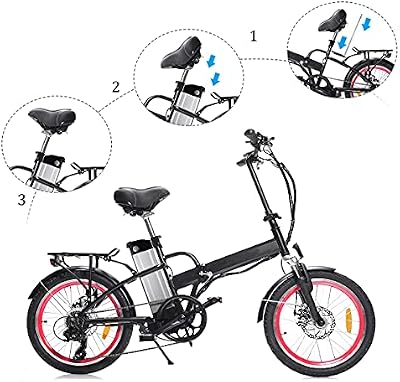
With the listing dead, matching runs off the pack still on the bike. Measure the rail span between the downtube bosses and the cross-section of the slide, because silver fish shells vary by a few millimeters between makers and the variation is enough to jam. Note the discharge connector and its position on the case.
One recorded wrinkle: the earlier write-up described the bracket mounting behind the seat post, which contradicts the standard silver fish rail mount on the downtube. Either this kit shipped something unusual or the description garbled the mount. The listing is gone, so the question is closed for good - look at the bracket on your own bike and match what is physically there.
Weight gives you a sanity check on any candidate. A complete 624 watt-hour pack in this class should run roughly seven to eight pounds, about 3.2 to 3.6 kilograms. A candidate dramatically lighter than that is missing cells, whatever its label says.
Where it sat in the family and the table
YLuBik sold this shape alongside bigger packs, and our data records the ladder. This 13Ah rung and the 18.2Ah Hailong-shape sibling both priced at 0.26 per watt-hour, so the extra 70 for the bigger pack bought 40 percent more energy at exactly the same rate. The 15.6Ah Hailong rung sat at 0.27, a rounding worse.
That is an honest family structure: no rung punished you for buying small, and none rewarded you for it either. The kit contents, not the capacity, were what differentiated this pack from its own siblings. Against the full battery table the value sat in the middle band, and the old pitch never claimed otherwise in so many words.
Zero reviews were ever recorded for this pack, on Amazon or anywhere else. It left the marketplace with no buyer evidence in either direction, so nothing here claims how it aged. That silence is a fact about the record, not a judgment about the pack.
Frequently Asked Questions
Is the YLuBik 48V 13Ah still available?
No. The Amazon listing is gone and has not returned. Every review in our archive notes where its product's category stands now, and the closest current equivalents live in the silver fish section of our comparison table, sorted by price per watt-hour. The tagged search links above point at live listings in the same shape.
Did it include a charger?
The recorded kit list says yes, bracket, lock, charger and all. No amp rating for that charger was ever published. Any replacement charger for a 48V pack must state 54.6V, which is 13 cells at 4.2V each.
What size motor could it run?
The listing claimed 500W to 800W. The 500W end draws about 10.4 amps and is safe against any plausible board in this class. The 800W end draws about 16.7 amps and cannot be verified, because no continuous current rating was ever published for this pack.
How long does a pack like this last?
Lithium-ion cells of this class typically deliver roughly 400 to 1,200 full cycles before capacity drops to about 80 percent, per Wikipedia's lithium-ion battery overview. Depth of discharge and heat move that number more than brand does.
What should I check before buying a replacement?
Four things: the rail span and slide cross-section against your old pack, the discharge connector, a 54.6V charger for any 13S 48V pack, and the published continuous amp rating of the new board. The USB port and lock are conveniences. The fit items are the ones that send a pack back.