The YLuBik 48V 18.2Ah Hailong ebike battery features a high 50A BMS that promises great power output, but the unnamed cells inside make it hard to recommend for serious riders. You might want that current for steep climbs, but those mystery components could fail you right when you need them most. Relying on unknown hardware is a risky gamble because you don't know how long the cells will actually last. It's a tough tradeoff.
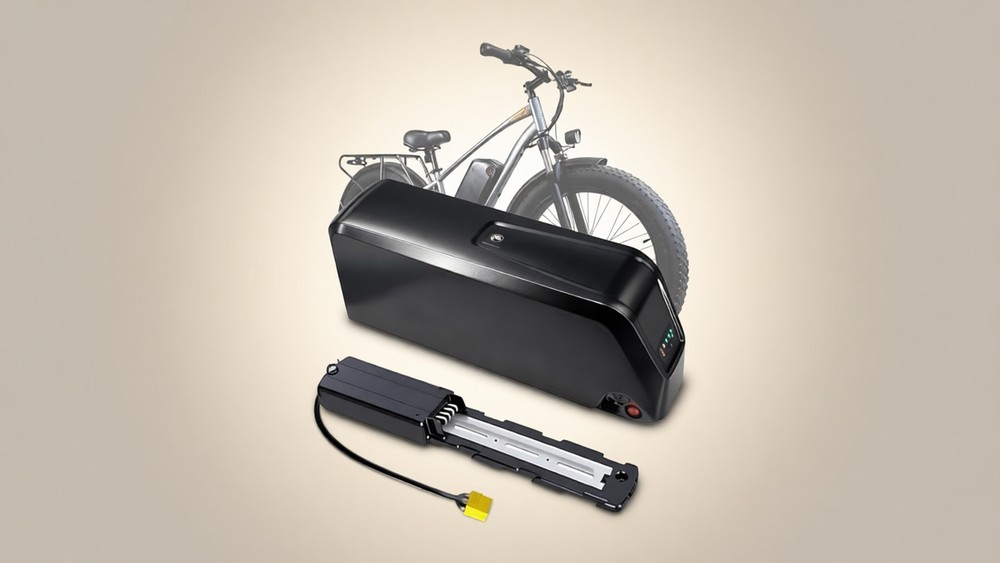
The 50A BMS is the whole pitch
The 50A BMS is an odd find for a pack at this price, because it suggests this battery can handle high draws that would trip the breakers on much cheaper units. This rating means the board can pass a lot of current, which helps if you're climbing steep hills or using a high-watt motor. You get a theoretical ceiling of 2400W, but that number only tells you what the circuit board allows.
Since the pack uses a 7P group, that 50A load means each cell is asked to push about 7 Amps, which is a tall order for budget-grade cells. The listing never says who makes the cells, so we don't know if they can actually handle that stress without getting hot or failing. If the cells are weak, the fancy board won't save you when you push the bike to its limit.
A board rating is not a pack rating because the internal cells are often the weak link in the chain. You're essentially betting that the unnamed cells inside can keep up with the electronics, but there's no data here to prove that claim. If the cells sag under load, you'll lose your power right when you need it most. Compare it against the rest of the field in our battery comparison table.
What 873.6Wh actually gets you
The math for 873.6 watt-hours might look good on paper, but you have to consider how you actually use that energy when you're out on the road. If you rely on the throttle alone, you'll burn through 15 to 20 watt-hours every mile, which means this pack might only last you about forty-five miles. Most riders should plan around this lower figure because the constant motor pull drains the cells much faster than steady pedaling ever does.
When you use mid pedal assist, the drain drops to about 8 to 12 watt-hours per mile, which can stretch your range out to nearly eighty miles if the terrain stays flat. This big number is the assisted-riding case, not the normal one that you'll face when climbing hills or riding against wind. If you expect that top range while fighting resistance, you'll find yourself stranded with a dead battery before you get home.
Using low assist might push the pack past a hundred miles, but that requires a lot of leg work that most people want to avoid with a motor. You're betting that you won't push the bike too hard, because high-speed sprints will eat into that capacity fast. It's better to plan for a shorter trip so you don't end up walking a heavy machine.
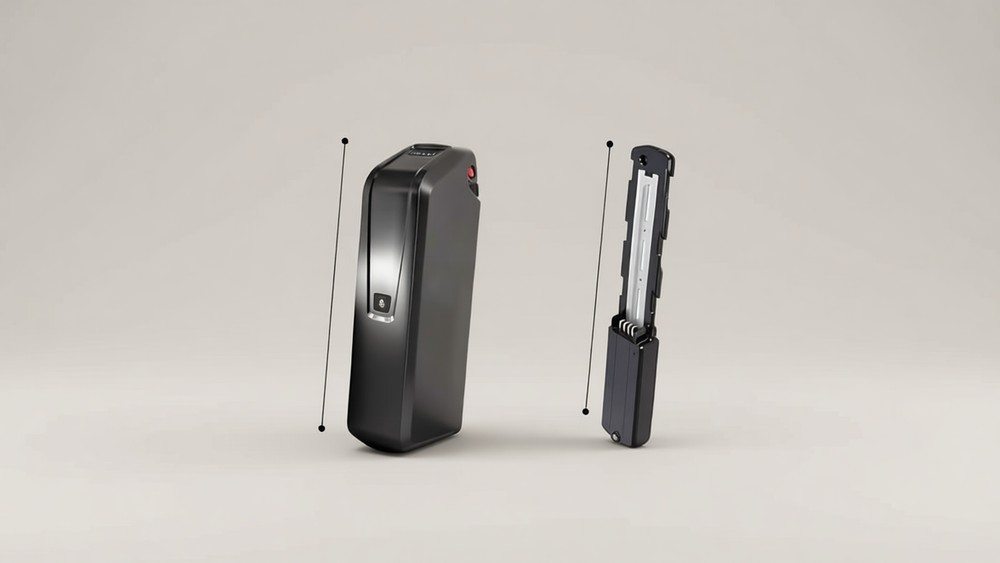
The listing argues with itself
When you look at the specs for this 48V and 18.2Ah pack, you notice the math shows 873.6 watt-hours, yet the listing says 876.6Wh instead. This gap might seem small, but it shows the numbers don't always line up for you. The page also lists three different lower bounds for the motor, starting at 50 watts and going up to 1500 watts. When the power changes, it's hard to know what the internal parts can actually handle when you climb hills.
You'll find conflicting facts about the warranty, because the spec table mentions six months while the bullet points talk about three months of free returns and six months of support. Then the table says the pack uses 32 AAA batteries, which makes no sense for a unit this size. These errors suggest the listing was assembled without anybody checking it. It's a confusing mess.
When a buyer sees a technical listing that argues with itself so often, they might start wondering if they can trust any other facts about the cells or the board. You're betting that the hardware works, since the basic facts are so messy on the front page. A listing this careless with its own numbers is not a listing to trust on the numbers you cannot check. Riders need clear specs to trust that the gear holds up under load.
What the reviews actually say
Every person who wrote something positive talks about how the pack arrived or how it sat in the frame, but nobody mentions how far the bike goes or how the cells hold over time. One reviewer said the battery arrived ahead of schedule, while another owner noted it was a perfect fit as a replacement part. A five star review confirmed it fit the bike like the listing said, and another buyer installed it as a second battery using an extension cord. The newest five star review is not from a verified purchase, so we cannot be sure if that person even bought it.
The most-voted review on the page comes from a verified buyer who could not get a return honored because the company would not answer calls to help with the process. This person claims they were asked to pay for shipping even though the listing says it is free. Such a lack of support leaves a rider stranded if a part fails or if the order goes wrong.
Since nobody has owned the pack for more than three months, we don't know how the BMS works under load or if the voltage sags. You are betting on the cell quality because there is no real-world data on cycle life from any owner. If the cells fail after a few months, you'll be left with a heavy brick and a seller who won't answer the phone.
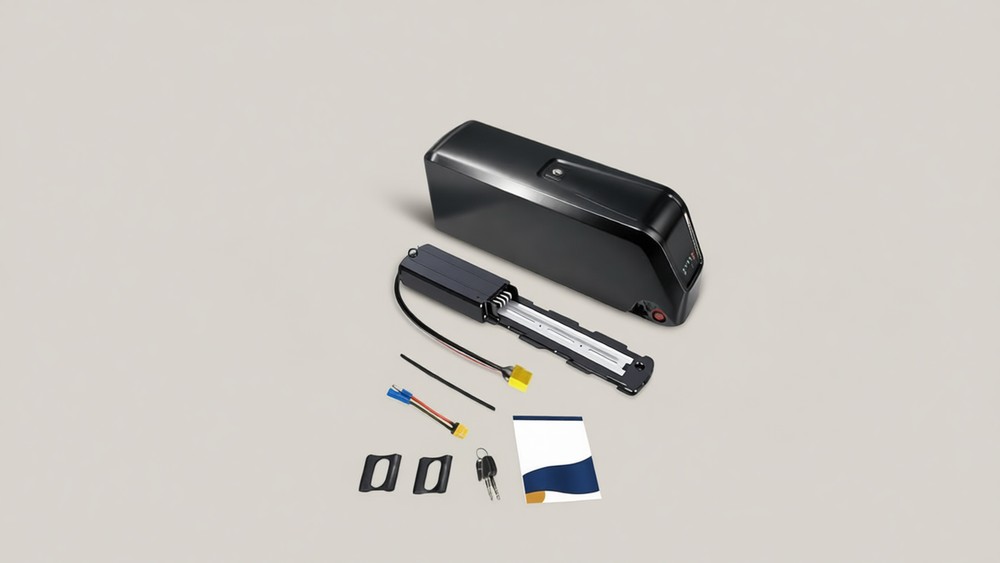
The hardware, and who it actually fits
The included 2A charger takes about nine hours to fill the pack from empty, which means you have to plan your whole day around the wall outlet if you want a full charge by morning. This slow speed is a real pain if you forget to plug it in at night because you can't just top it off quickly before heading out for a long ride. It forces you to stay tethered to the house.
The physical key lock adds a layer of security that helps against casual theft, though its main worth is just stopping a thief from grabbing the whole bike while you stop for coffee. You can use the USB port to charge your phone while you ride, and the power switch helps stop the idle drain when the bike is sitting idle. These small hardware bits are useful but they don't change the world.
Since the charger is so slow, you'll end up needing a second pack if you want to go on big trips without waiting around. If you don't have a spare, you're stuck with a limited range that might cut out halfway through your commute. It's a trade-off for the low price, but the convenience isn't there.
If you need to replace a worn Hailong pack and want to save money on your daily trip, this battery is a very solid pick for basic city riding. It's great for riders who use flat paths, and don't mind a slow charge once a week. You'll find the 50A BMS helps when you hit a hill, which keeps the power from cutting out during the steep climb. The pack fits well on most frames, so it stays out of the way while you ride through the park every single day.
If you plan on long weekend trips or need to push through heavy traffic, you should look for a pack that names its cells and ships a faster charger. This one isn't for you. The cells are unnamed, so you might worry about how long they will last after a year of hard use on the road. A nine-hour charge is a long time, which is a pain if you need your bike ready for every single morning before work. If it isn't the right fit, the battery comparison table sorts every option we track.
Frequently Asked Questions
How much energy does the pack actually hold?
The listing claims 876.6Wh, but 48V multiplied by 18.2Ah comes to 873.6Wh. It's a small gap, and it's a sign the page wasn't checked rather than a meaningful difference in range.
How long does it take to charge from empty?
The included 54.6V 2A charger supplies about 109W, so a full charge takes roughly nine hours. You can't top it up quickly, which makes overnight charging the only practical pattern.
Is the battery compatible with different electric bikes?
The Hailong downtube form factor fits specific frame styles, and the listing gives conflicting motor limits across the title and the bullets. Measure your tray and confirm your motor's draw before ordering.
What does the 50A BMS mean for climbing hills?
It sets a ceiling near 2400W, but the cells have to deliver that current, and this listing never says whose cells they are. If they can't, the bike cuts out exactly when you need power.
How many cycles will it last?
The manufacturer claims over 1000 cycles. Those are laboratory numbers measured under gentle conditions, and generic cells usually deliver noticeably less in real riding.
You can check the current listing on Amazon for price and availability.