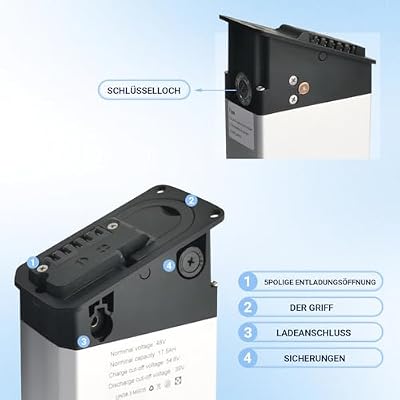
Proprietary folding ebikes create a strange replacement problem. When the original pack dies, you can't buy a generic one, because the case, the mount, and the discharge port are all shaped around one mold. You buy from whoever copied that mold, and the listing photos do the selling while the spec sheet is the only document that has to survive arithmetic.
The ShunTongDa DCH-009 replacement is exactly that kind of purchase. It copies the shape of the DCH-009 case, it claims 52V and 17.5Ah, and it sells for 323.99, which puts it among the pricier packs we track. The listing carries one five-star rating and not one written word about the pack itself.
That single rating hasn't moved since our first coverage in August. So this review does what the rating can't: it reads the fitment list, runs the charger math, and separates what the listing claims from what it can support.
The ShunTongDa DCH-009 52V 17.5Ah is an appearance-matched replacement pack with a fitment problem and a voltage question.
The title names the Lankeleisi X3000 Plus, the bullets name three other bikes, the model number belongs to a different product code, and the printed charge cutoff of 54.6V is 13-cell math on a pack claiming 52V. Under either reading of that math, the price per watt-hour lands in the pricier fifth of the 301 packs we track.
One rating, no words
The record is a single global rating at five stars, with a histogram that reads 100 percent five-star and a written-review page that holds zero texts. Signed-in, the count stays at one. That rating has sat there since at least late August, when our first version of this page noted the same thing.
A wordless five-star rating carries almost no information. It can't describe fitment on a real bike, whether the capacity matches the label, or how the cells age. Nobody has posted a single sentence about this pack, and the count hasn't moved since August, so the spec sheet, the photos, and your own measurements carry the entire decision.
The fitment list leaves out the bike in the title
The title sells the Lankeleisi X3000 Plus. The bullets never mention it. The fitment line names the ENGWE Pro 2.0, the Ginghma R7 Pro, and the Cmaceweel RX 20, and then says "and more", leaving the bike in the title to the reader's imagination.
The Model Number and Model Name rows both read JD-006FZ14, a code that matches nothing else on the page, on a listing titled DCH-009.
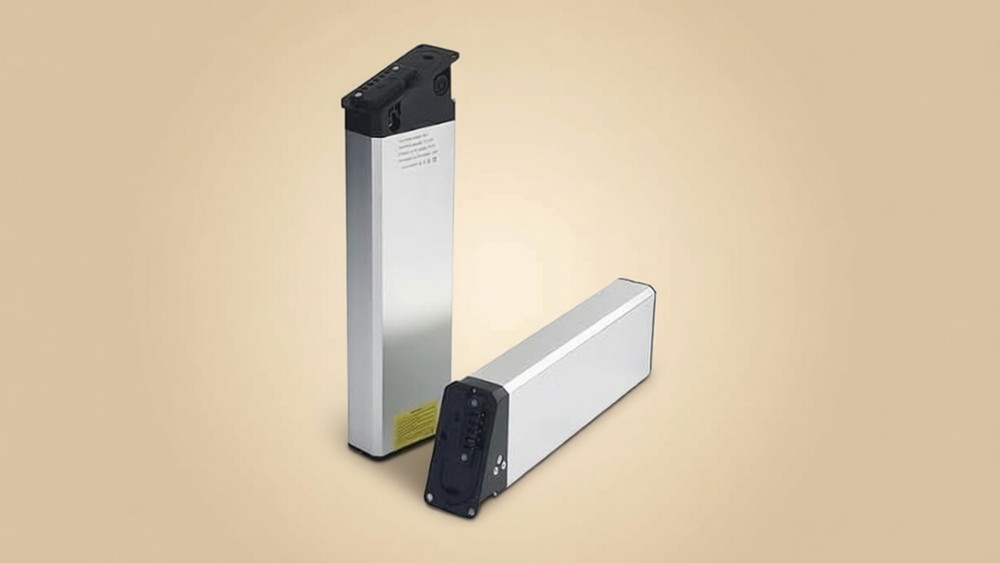
What the listing is honest about is the method. Bullet one says this is designed around the DCH-009 appearance, black top cover logo included, and that it only works if the size and the look match your original.
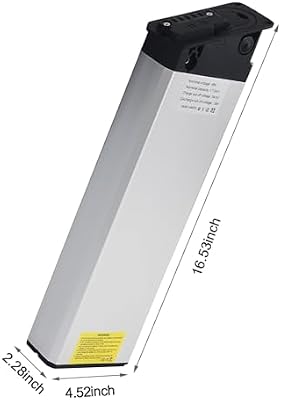
The size to match is 16.5 by 4.5 by 2.3 inches, with a 5-pin discharge port. That is a measure-first purchase, and the listing says so itself.
The spec table then undercuts its own measuring instructions. Its Item Dimensions row reads 22.83 by 16.54 by 4.53 inches, which can't describe the pack the bullet just sized: the 16.54 and the 4.53 echo the bullet's 16.5 and 4.5, and the 22.83 matches nothing on the listing. Trust the bullet, tape your original pack, and ignore the table on this one.
The charge spec says 13 cells
Bullet five prints a charge cutoff voltage of 54.6V. Lithium-ion cells charge to about 4.2 volts each (Wikipedia's lithium-ion entry), and 54.6 divided by 4.2 is 13, the cell count of a 48V pack.
A true 52V pack runs 14 cells and charges at 58.8V. The listing sells 52V and prints 13-cell charging, and both can't be right.
The two readings lead to different packs. If the cutoff row is correct, this is a 13S pack with a nominal voltage near 48V, and its real energy is 17.5Ah times about 48V, roughly 842Wh rather than the 910Wh the title math gives. If the row is a copy-paste from a 48V listing and the pack is a real 14S, the 910Wh figure stands.
Our own data row carries the title reading at 910Wh, so the specs box will show the optimistic number either way.
The check costs nothing: the charger label. A printed 54.6V means 13 cells, a printed 58.8V means 14. Ask the seller which charger the pack wants before you order, and compare the answer against the cutoff row when the box arrives.
The value conclusion survives both readings, which is the one mercy here. 323.99 over 910Wh is about 36 cents per watt-hour, and over 842Wh it's about 38. Either way this pack sits in the pricier fifth of the 301 we track, our row ranks it 245 of 301 at the title reading, and no voltage interpretation makes it cheap.
What holds up on paper
The parts of the spec sheet that don't fight themselves check out. A 30A BMS at 52V is a 1,560W continuous ceiling, and the listing claims no motor size against it, so there's no outrun-board arithmetic to flag here.
The weight rows agree with each other, 9.9 pounds in one and 4.49 kilograms in the other, which is the same 4.49kg, and 910Wh at 4.49kg works out to about 0.20 kilowatt-hours per kilogram at pack level.
Bare lithium-ion cells run 0.16 to 0.30 kilowatt-hours per kilogram before the case and board, per Wikipedia's cell figures, so the total closes in the upper half of that band. Plausible, worth a kitchen-scale check on arrival.
The lock and switch combination is a genuine feature. The key powers the pack on, stays in while you ride, and can't come out until you stop, which is an anti-theft design the bullet explains plainly. The printed temperature windows, 0 to 45 degrees Celsius for charging and -10 to 60 for discharge, are more than most listings in this tier publish.
The 1000-cycle claim is a ceiling, not a promise. Typical lithium-ion packs manage 400 to 1,200 cycles (Wikipedia), so 1000-plus sits at the top edge of the band with no buyer record behind it. Bullet three's "UL Grade Safety" deserves the same caution: a grade isn't a listing, no file number is printed, and the claim carries no weight until the seller names a standard.
What ships, and who this pack suits
Included Components reads two keys and the battery pack. No charger ships, even though the spec names a 2A standard charge current, so budget one separately and buy it only after the seller confirms the cell count, because a 54.6V charger undercharges a 14S pack and a 58.8V charger overcharges a 13S one.
At 17.5Ah, a 2A charger needs about 9 hours before the taper. The warranty row reads 1 year.
Range, with the denominator attached: 910Wh at a gentle 20 watt-hours per mile is about 45 miles of pedal-assist riding, and about 30 on throttle power alone. The 13-cell reading trims that to about 42 and 28. Ebike range generally lands between 25 and 75 miles per charge depending on the power level used (Wikipedia's e-bike page).
This pack suits one buyer: the person whose original DCH-009-shaped pack has died, who has measured the old pack and matched the look, and who accepts being the only evidence on the listing. If your bike takes a standard format, more options exist. The same brand sold a 48V 17.5Ah Dorado downtube pack on the same fitment-first terms, also with no reviews before the listing died.
The LZIXYM 48V 20Ah folding pack, for instance, prices near 21 cents per watt-hour with a deeper record, and the whole comparison table is sortable by exactly that number.
Common questions about the DCH-009 replacement
Will it fit my folding ebike?
Only if your original measures 16.5 by 4.5 by 2.3 inches, matches the DCH-009 look with the black top cover logo, and takes a 5-pin discharge port. The bullets name the ENGWE Pro 2.0, the Ginghma R7 Pro, and the Cmaceweel RX 20, and the title adds the Lankeleisi X3000 Plus. Measure before you order, because the listing itself says the pack only works on a match.
What charger does it need?
One that matches the pack's real cell count, and the listing doesn't settle that. The printed cutoff of 54.6V means 13 cells, while a true 52V pack charges at 58.8V. Nothing ships in the box, so confirm with the seller first, then match the charger label to the answer.
How much range should I expect?
910Wh at the title reading gives about 45 miles at 20 watt-hours per mile and about 30 on throttle alone. The 13-cell reading trims those to about 42 and 28. Your weight, terrain, and assist level move the number more than the pack's label does.
Is one five-star rating enough to buy on?
No. It has no written text behind it, so nobody has described fitment, capacity honesty, or durability. On this listing the spec sheet and the arithmetic carry the whole decision.