A two-pack should be the easy order. Two helmets, one box, done. On the JESIMAIK R18 Lite listing that instinct costs real money: the 2-pack sells at 119.99, and two separate single boxes ring up at 91.98.
The pack is the expensive way to buy two of the same headset, and nothing on the page points it out.
That is the decision this page actually forces, and almost nobody writes it down. The R18 Lite single already carries its own record: 322 ratings, a 4.1 average, an owner-measured 500 to 600 meters of range, and a highway-speed volume wall several buyers have hit. None of that changes when you buy two, but the price does, and it's the difference between 46.00 and 60.00 per helmet.
This review covers the pack as a purchase: the rung math against the single, the six-device pairing claim that one buyer read as six-way talk and paid for, the noise-cancellation story the specs tell three different ways, and where the per-helmet price lands on our table.
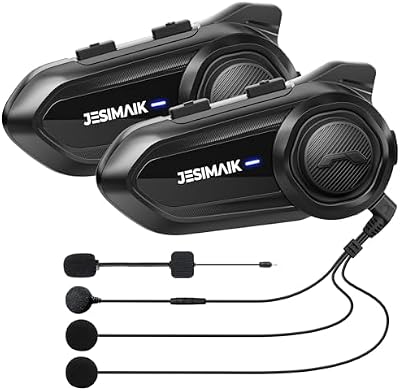
The pack costs more than the parts
We probed both rungs of the ladder on the same day before writing this. The single sells at 45.99, so two singles come to 91.98, and this two-pack sells at 119.99. That is 28.01 more than the parts, about a 30 percent premium, and the second pair-premium rung we have measured this season.
Real pair discounts across the rungs priced this year ran from about 2.5 percent to about 18 percent. The only other premium rung, a BTQILEYOO pair, charged 13.6 percent over two singles. This one charges more than twice that.
Our intercom comparison table prices every row per helmet, and the pack's 60.00 lands in the pricier third of the 210 units we track, middle of the two-rider field. Two singles at 46.00 per helmet sit meaningfully cheaper. Unless the pack page holds a coupon the single does not, the honest order is two separate boxes, and the single rung was in stock when we checked.
Both rungs print the same pooled record, 4.1 from 322 ratings, so the reviews describe the same hardware either way. The single has its own full review with the range and noise decodes in depth.
Six devices, one conversation
The listing's only feature bullet says the headset pairs up to 6 devices for flexible switching in group riding. The title says 2 Way. One buyer reconciled those claims the expensive way: they ordered expecting six-rider group talk, found only one other headset connects at a time, and called it a waste of their money with no return window left.
The same text carries the operational complaint that follows from it. With no push-to-talk button, an open intercom broadcasts every sound the mic picks up, and closing the channel means nobody can talk at all.
Pairing six devices means the headset remembers six gadgets and switches between them, a phone here and one other intercom there. It does not mean six helmets share a conversation. The single's own record caught a different buyer in the same trap months earlier, which makes the pattern hard to dismiss as one bad reading.
Budget Bluetooth intercoms on this shelf are two-way units, and the group features start with the mesh models, not here.
Three noise stories, one listing
The noise claims stack three deep. The title says CVC8.0 noise cancellation. The spec table's Noise Control row says Environmental Noise Cancellation, a different technology family.
The gallery adds a card promising a five-layer noise reduction stack. Then the record: one owner has reported harsh highs, absent bass, and no noise cancelling at all, and two more texts say the same thing in softer words, no cancelling noticed and wind winning over the processing.
The volume accounts rhyme with that. One rider could not hear the other helmet at highway speeds though around town worked fine, and another has found both sets at full volume still not loud enough in traffic.
Against all that, an owner of four intercoms has called the pack decent, mid-range in sound, reliable in connection, and usable in rain, heat and cold, and a go-kart buyer has praised the mic clarity outright. The honest summary is that this is a fair-weather, lower-speed communicator whose noise marketing runs well ahead of what owners hear.
Range, radio, and the censored brands
The bullet claims a maximum 1500-meter range in open areas. The only measured figure in the record comes from an experienced owner who has put it at 500 to 600 meters for sure, with a connection that holds. That gap is normal for the radio class: Bluetooth's documented low-power range sits near 10 meters and class maximums in the tens of meters, per the standard's own figures, and intercom numbers beyond that assume open air and line of sight between two helmets.
Five to six hundred meters is a good real-world result for a budget unit, and it is the number worth planning around.
One spec row deserves its own warning. Compatible Devices lists Third-Party Brands (CarXX, SeXX), censored spellings of the two biggest intercom makers. No owner text tests a cross-brand pairing, so the claim has no evidence behind it, and the censored copy is a poor sign for the rest of the listing's care.
The FM radio, on the other hand, shows up twice in owner praise as a working part of the package.
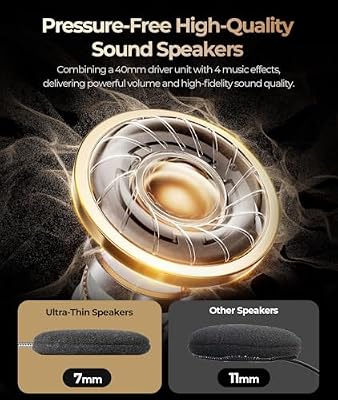
Fit, install, and what the box holds
Install splits by mounting method. The most-voted text in the record describes the clip mount digging into the wearer's head under the helmet and the switch to the peel-and-stick speaker pads, which worked. Two more texts call installation easy, one needed a YouTube video because the instructions ran out before pairing did.
Plan on the adhesive route unless the helmet's liner shape is known to accept a clip.
The box list is thin. The Built-In Media row prints a single word, Cable, and the listing never states battery capacity, talk time or charge time anywhere in its 40 spec rows, which leaves the battery story unmeasured in both directions.
The warranty is two years, the charging port is USB-C, and support gets one direct endorsement: a buyer with a technical fault reported it addressed quickly across time zones. Per helmet, remember, that support story costs 46.00 if you order two singles and 60.00 if you take the pack. JESIMAIK's other current two-pack prices the opposite way: the H5 pair discounts under two singles while this pack charges a premium.
Common Questions
Is the R18 Lite 2-pack worth it over two singles?
No, on the numbers we captured. Two singles cost 91.98 and the pack costs 119.99, about a 30 percent premium for the same hardware. Order two single boxes unless the pack carries a coupon.
Can six riders talk at once?
No. The headset pairs with up to 6 devices but talks to one other intercom at a time. One buyer has paid for that misunderstanding, and the push-to-talk button the same buyer wanted does not exist on this model.
How far does it actually reach?
The only measured report lands at 500 to 600 meters, against a 1500-meter open-area claim. Plan around the measured figure.
Does the noise cancellation work?
The listing states the claim three ways, and the record is skeptical: one owner has heard no cancellation at all, and two more report wind beating it. It behaves like a fair-weather headset below highway speeds.
What does the box include?
The listing's own box row prints only a cable, which is unusually thin for the shelf. Both mics are referenced in the title, and the warranty is two years.