Two Hawkvium 52V 25Ah listings carried the same UL2271 certificate and 60A BMS, but the one this article covered is now retired while its live sibling continues. The 60A math makes the 3000W claim credible, and the certificate is the trust story. High-power builders who want the certified pack and will buy the sibling ASIN win here. This pack targets serious builds.
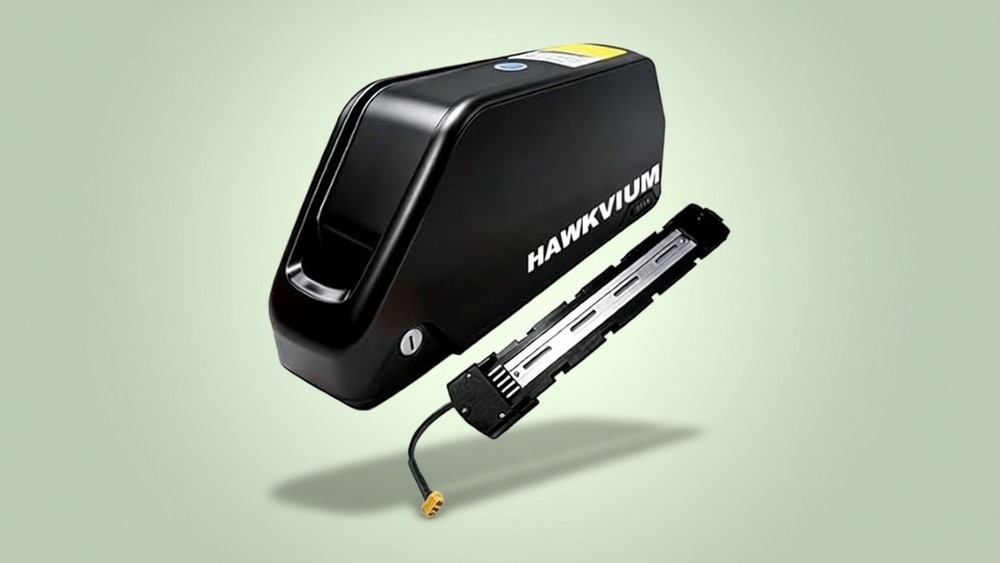
Two listings, one pack: the ASIN story
The same 52V 25Ah pack sold under two ASINs, and the record this article tracked is the one that retired. What survives from the record: 1300Wh, 299.99, about 23 cents per Wh, the UL2271 claim, the 60A BMS, and the 100W-3000W motor claim. What vanished with the listing: hardware details like connector types, padding, lock, and exact dimensions, because the recorded data never carried them and no archive does.
That split is the honest shape of every retired-listing decode. The electrical specs survive because the data pipeline captured them. The physical details don't, so they must be confirmed on the current listing before you order. A pack this size needs a frame bay or rack slot of fourteen to fifteen inches, and guessing that dimension is how returns happen.
The buy moves to the live sibling, which carries the same UL2271 claim and adds the one thing the retired listing never had: an owner record. Thirteen ratings at 4.9 is a small pool, but it's real feedback, and it beats the retired ASIN's unverifiable record.
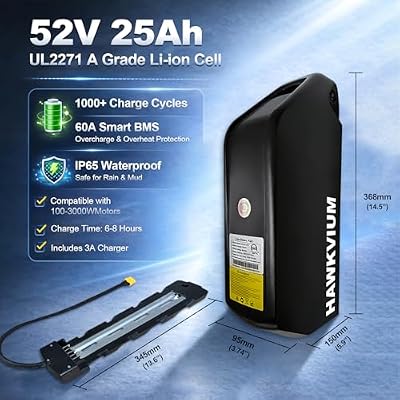
The 60A board and what the certificate adds
Sixty amps at 52V works out to about 3120W of continuous draw, which makes the 3000W motor claim arithmetic-credible rather than aspirational. Most budget 52V packs run 30A or 40A boards, so a 60A BMS is the class outlier, and it means the electronics won't trip during sustained climbs or hard acceleration at the top of the claimed motor range.
UL2271, tested by SGS per the sibling listing, is the electrical-system standard for e-mobility batteries. It evaluates the whole pack against mechanical, electrical, and environmental abuse. At this price it is rare, and it is the same certification the EXECYC/UPP pack markets as its own headline. The check is the same too: ask the seller for the certificate copy, and treat the answer as part of the buy decision.
The high-current BMS also helps at the bottom of the discharge curve, where weak boards sag. A pack that holds voltage late in the ride feels the same at mile sixty as it did at mile ten, which is what the big-BMS spec actually buys you in daily use.
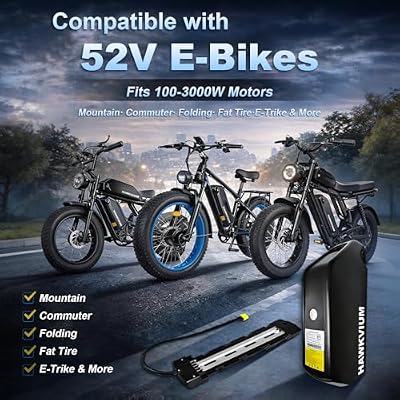
For the 1500-2000W builders in the audience, this BMS headroom has a second use: dual-motor setups. Two 1000W hub motors pulling together spike past what a 40A board tolerates, and the 60A ceiling absorbs them. If your build plan includes a second motor later, buying the bigger board now costs little and saves a pack swap. Just verify your controller's amp rating matches the BMS, because the weakest link in the chain sets the real limit.
What 1300Wh actually buys you in miles
The pack holds 1300Wh, and about 1105 of those are usable at the 85% rule cells follow in real riding. Light pedal assist at fifteen to twenty-five watt-hours per mile covers between forty-four and seventy-four miles. Throttle-heavy riding at thirty to forty Wh per mile drops the band to twenty-eight through thirty-seven miles. Cargo, hills, and cold weather pull both numbers down, so plan trips on the low end of the band.
The 5-pin base is a slide-on mount, which means the frame bay or rack decides fit. Measure for fourteen to fifteen inches before you order, because that dimension is exactly the kind of detail that died with the retired listing. The live sibling's photos and bullets are the place to confirm it.
There is also a charging-culture paragraph that belongs with any 1300Wh purchase. A pack this big rarely drops below half on a commute, which is gentle duty by cell standards, but sitting at full charge for weeks is the opposite habit. Charge to full the night before a ride, and leave the pack between sixty and eighty percent when the bike sits. The difference shows up two years later as a pack that still hits its rated range instead of one that fades early.
Who should buy it, and who should spend differently
Buy it if your build runs a 1500-3000W motor, you want the certified pack at 23 cents per Wh, and you accept a small owner record. The 60A BMS is the reason this pack exists, and the certification is the reason to trust it.
Skip it if your frame bay is shorter than fourteen inches, because the slide-on mount won't fit. Skip it if you ride weekly, because a smaller pack costs less and serves the same trips. The EXECYC/UPP 52V 25Ah is the other UL2271 pack in the class with a 5-pin slide-on format, the BtrPower 48V 50Ah LiFePO4 doubles the capacity for range-first builds, and the live sibling's own article covers the certification story from the other side. Sort the whole field on the battery table.
Frequently Asked Questions
Where can I buy this battery now?
The live sibling listing carries the same pack at 299.98. This article's ASIN is retired, so buy through the sibling and confirm the hardware details on its page.
Can the BMS handle a 3000W motor?
The 60A BMS supports about 3120W continuously at 52V, which makes the 3000W claim credible for sustained riding, not just peak bursts.
Is the UL2271 certification claim real?
It's SGS-stated on the live listing. Ask the seller for the certificate copy before you order, and treat that answer as part of the buy decision.
How far can I get on a single charge?
Between 44 and 74 miles on pedal assist, or 28 to 37 miles throttle-heavy, based on the 85% usable rule and standard consumption bands.
Will it fit my ebike frame?
It uses a 5-pin slide-on base and the pack runs fourteen to fifteen inches, so measure your frame bay or rack before ordering.
How does it compare with the sibling article's pack?
They are the same hardware under two ASINs, so the certificate, BMS, and capacity match. The difference is the record: the live sibling has a 13-rating owner pool and the retired listing has none. Buy through whichever listing is live when you order, and use both articles as two views of the same pack.