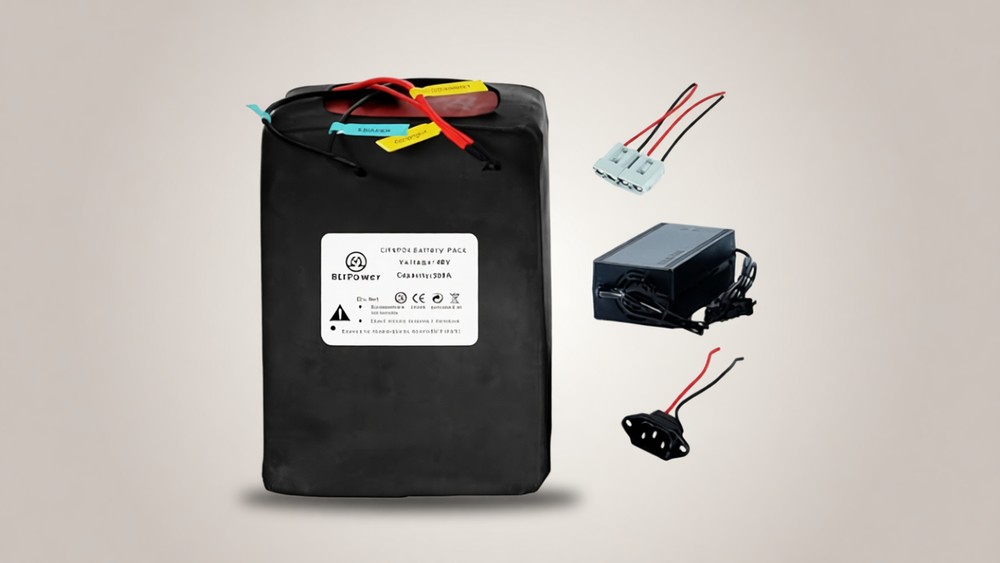
2400Wh is not a commuter spec, it is a schedule-changer for trikes and cargo builds, and this pack's field record made it the rare big pack with real evidence. While the LiFePO4 weight is the toll, the chemistry is the payoff for heavy builds that ride far. The ASIN is now retired, so the buy moved to BtrPower's storefront. Heavy builds win.
The field record that set this pack apart
While big-capacity packs usually ship with thin evidence, this one had the best record in the class, because it showed how the cells handle heavy loads. One owner has reported getting about 54 miles on 70% of a charge while pulling a 365-lb total load at 20 mph in sport mode. That says the capacity rating is not just marketing fluff when you push the bike hard on long rides. A professional trike builder even used these packs in custom builds because the math held up when the work got tough.
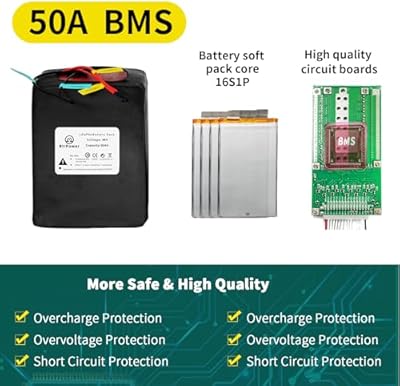
One owner documented two accidental shorts where the BMS cut power correctly both times, which is rare real-world evidence rather than a promise written on a spec sheet. Cheap protection boards often fail when things go wrong, but this 50A board protected the cells from damage both times. You get a sense of safety knowing the electronics will trip if you make a wiring mistake. It makes the whole setup feel like real gear rather than a toy.
The field record matters because it means you won't end up stranded with a dead pack far from home with a heavy load. Since the range held up even under stress, owners planned long trips without constantly watching the voltage. That kind of data is what separates a lucky guess from a tool that works for the long haul.
The chemistry tax and why it pays back
Because this LiFePO4 pack is heavier and costs more than a standard NMC pack, the math only works out if you plan to ride often for several years. You're betting on a life that exceeds 1500 cycles, while cheaper packs often fade after five hundred. That longevity makes the heavy pack the cheaper one over four years, because you don't buy a replacement. It stays strong.
The flat discharge curve of this chemistry keeps the voltage honest until the cells are nearly empty, so you don't lose top speed at the end of a long trip. The wide margin against thermal runaway is why heat is less of a concern here than on an NMC pack of the same size. It's a safe bet for people who build heavy cargo trikes.
The 50A BMS supports about 2400W of steady draw, which gives you breathing room when you pull a 1500W motor to its limit on a steep hill. This headroom means the electronics won't trip when you need the boost most. You'll get steady output because the system isn't running at its edge.
There is a charging angle to the chemistry too. LiFePO4 accepts a full charge without the voltage stress that ages NMC cells, so leaving it on the charger overnight is less damaging than the same habit on a standard pack. You still want to avoid storing it full for weeks, but the day-to-day routine is more forgiving. For a working trike that charges between jobs, that forgiveness is worth real money over a year.
What 2400Wh actually buys you in miles
Since the pack holds 2400 watt-hours but only gives you eighty-five percent of that, you really have 2040 watt-hours of usable energy for your long rides. If you pedal at a rate of fifteen to twenty-five watt-hours per mile, you can go between 82 and 136 miles. When you rely on the throttle instead, the range drops to 51 through 68 miles because the motor pulls so much current. One owner has reported 54 miles under a heavy trike load on 70% of a charge, which shows the moderate numbers are doable if you help the motor along.
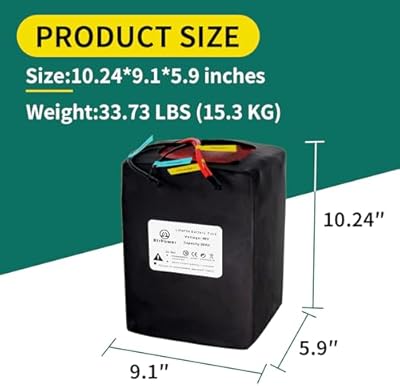
The physical size is about ten by nine by six inches, so it won't fit any standard frame mount on a typical bike. You'll need trike boxes, cargo decks, or custom brackets to hold this heavy brick in place while you ride. Because it is so large, it stays where you put it rather than being a part you swap between bikes. This makes the pack a tool for specific builds rather than a quick upgrade for a casual commuter.
Buying after the listing retired
The specific listing for this 2400Wh pack is gone, but you can still browse the BtrPower storefront for the current version of this 48V LiFePO4 line. You should check that the new listing still promises the same cell type and the 50A BMS, so you don't end up with a weaker unit. Look for safety certificates in the listing text and make sure the return window protects the purchase.
If the specs don't match what the old listing showed, you might end up with a pack that can't handle your motor's draw on steep hills. A lower BMS rating will cut power right when you push hard, which leaves you stranded mid-ride. You don't want a heavy pack that lacks the headroom a cargo build needs. Check every detail before you click buy, and compare per-Wh on the battery table. The BtrPower 48V/52V 15Ah LiFePO4 is the smaller sibling if 2400Wh is more than your build needs.
Frequently Asked Questions
How far does it really go?
You can expect between 50 and 60 miles at moderate assist even under a heavy load. The derived bands run 82 to 136 miles on pedal assist, or 51 to 68 miles when you ride throttle-heavy.
Is LiFePO4 worth the weight?
The extra weight pays off because these cells last over 1500 cycles compared to the 500 to 1000 cycles of standard packs. That makes the battery the cheaper choice over four years for riders who cover high mileage daily.
Will it fit my bike?
This pack measures 10.24 by 9.1 by 5.9 inches, so it won't fit standard bike frame mounts. It is built for trikes, cargo builds, and custom mounting projects.
What happens if I short it?
The internal 50A BMS is documented to cut power immediately to protect the cells during an accidental short. You should still avoid shorts to prevent damage to the wiring.
Where do I buy it now?
You can find this battery through the BtrPower storefront or by searching for generic 48V 50Ah LiFePO4 packs. Check the cell and BMS claims in writing before you complete the purchase.