Two helmets, one intercom bill. That is the promise of every 2-pack on the shelf, and it is the promise Cardo's Spirit HD 2-pack makes at 305.96, with the single selling alongside it at 161.96.
The pair saves you 17.96 if the prices hold. It does not always work that way on this shelf, where one rung we tracked priced 13.6 percent above its own parts.
This is also the number-one best seller in Amazon's helmet communication category, the category we track across 210 listings. That kind of pool deserves a closer look than the star column gives it. The record carries a two-rider ceiling one owner states outright, a pairing sequence that tripped a buyer into a near-return, and a price that has climbed about 13 percent in five months.
Here is what the box argues, what the owners proved, and where the 5.5 percent discount lands against the rest of the pair rungs we have measured this season.
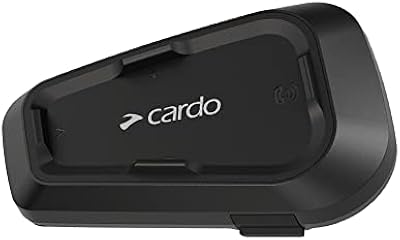
The Cardo Spirit HD 2-pack buys two Bluetooth intercoms for a rider and one passenger or partner, with 40mm HD speakers, FM radio, and no mesh anywhere in the design.
On price per rider the pair lands in the priciest third of the two-rider units we track, which you can verify on the intercom comparison table. What the money buys is the deepest owner record in Cardo's budget family, 4.5 stars behind more than three thousand ratings.
The last Spirit rung without a review
The Spirit family now has four rungs and we have priced them all. The regular single runs 98.95, the regular dual 188.96, which saved its buyers about 4.5 percent. The HD single runs 161.96, and this pair at 305.96 saves 17.96 against two of them, about 5.5 percent.
That discount sits mid-band against the pair rungs we have measured this season, which ran from 2.5 to 18 percent off, with one outlier priced above its parts.
The pair's per-helmet price of 152.98 also matters against the family's own history. One owner has reported buying the HD at 143 in June 2026, and the single now asks 161.96, an increase of about 13 percent in five months. The rise reaches the pair too: 152.98 per helmet sits about 7 percent above that old single price, so the discount buys less than it did in June.
One honesty note about the record. The pair's page and the single's page print the same 3,225 ratings, because Amazon pools the variants, and the pool's most-endorsed text praises the Spirit line without naming the HD at all. We read the pair-specific material where it exists and treat the pooled praise as family-level, not as evidence about this box.
Two is the whole design, and the page prints it straight
The pack rows are clean in a way this shelf rarely manages. Number of items reads 2, with no conflicting pack row beside it, on a page where rival listings print a 1 against their own two-unit titles. A unit-count row reading 1 sits below it, and that one is template junk on any 2-pack.
The design limit comes from an owner, not a spec row. One confirmed buyer states that these pair only with each other and you cannot add more headsets for larger groups, which matches the maximum-rider row's own 2.
Another owner learned the same boundary from the other side, reporting that the units are not for open mesh and that open mesh means buying a different unit. That is the Spirit family in one line: Bluetooth pairing for two, and Cardo's mesh starts in the Packtalk line.
The range rows also split by job. Intercom range reads 600 meters, about 0.4 miles, while the Bluetooth range row reads 100 meters, which is the phone link.
Bluetooth Classic in the open runs roughly 40 to 400 meters, so the 600-meter hop claim sits above the radio's own class and depends on clear line between riders. The covered single's record already measured how that holds in trees.
The pairing sequence the quick start buries
The most useful pair-specific text in the record describes a setup failure that a solo buyer never meets. One owner spent what they describe as a century connecting both units to the phone, ended up with one unit on each of the two channels, and found music sharing impossible between channels. The near-return ended when clear instructions turned up elsewhere.
The sequence the record settles on is simple. Pair the two units to each other first, then connect only one of them to the phone. The units carry two channels, and a unit parked on the wrong channel cannot share music with its partner.
Once that order is right, the same owner calls the sound superb, which is a fair measure of how much of the frustration was sequence, not hardware.
Battery numbers, on both rungs now
When we reviewed the single, its Amazon page printed no battery figure and the review filled the gap from Cardo's site. The pages have since gained rows: today both rungs print 13 hours of average battery life and a 2-hour charge, over USB Type C, with fast charging named as a feature.
The owner record backs the shape of those numbers without testing them to exhaustion. One rider reports charging every other ride rather than every ride. A parent riding dirt bikes with a nine-year-old calls the battery life great at low speed.
Thirteen hours of listed talk time against an every-other-day habit is a comfortable margin, and nobody in the captured record reports a battery complaint.
Sound that depends on placement, not luck
The HD exists for its audio, and the family's own record explains why. One owner who ran both tiers reports the regular Spirit gives little beyond high tones while the HD carries the full range, which is the cleanest statement of what the upgrade buys.
The record also carries its own fix for a familiar complaint from this family. One owner first reported tinny audio, then changed the review after moving the speakers, writing that placement makes a huge difference and that they would still upgrade to the JBL drivers eventually.
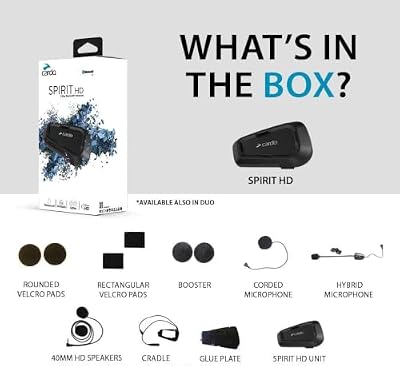
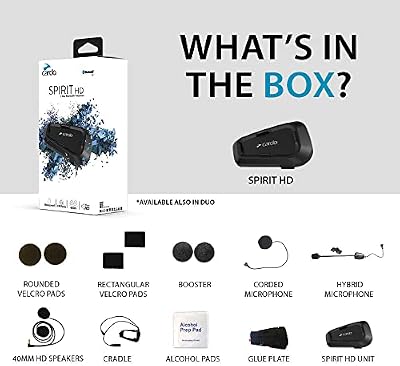
That account matches the alignment story we documented on the 45mm audio set, where a failed upgrade traced to ear position rather than the hardware. Booster pads ship in this box for exactly that adjustment.
Music stays the split topic. A three-star owner calls the music quality weak while still calling the pair worth it, and another reports better sound and higher volume than their AirPods.
The one harsh pan on the whole capture, a two-star that calls the controls hard with gloves and the price too high, is also the only captured text without a confirmed order behind it. Every other text carries one.
Frequently Asked Questions
Does the 2-pack actually save money?
Yes, modestly. At the prices on the day we checked, the pair at 305.96 against two singles at 161.96 each saves 17.96, about 5.5 percent. That sits mid-band against the pair rungs we have measured this season, and the discount depends on both prices holding.
Can I add more riders later?
No. The Spirit HD pairs two units and that is the ceiling, as one owner states directly and the maximum-rider row confirms. There is no mesh in the Spirit family at any price, so a group ride means the Packtalk line instead.
Does it work with Android?
The pairing runs over standard Bluetooth and the Cardo Connect app handles updates on both phone platforms. One owner reports the units will not work with their phone's voice assistant, a lone one-star account in the record with nothing corroborating it. Voice commands worked for other owners, including one who uses them through a button press while riding.
Is the pair waterproof?
The row says waterproof and the bullet lists rain, mud, dust, and snow. Neither Amazon page nor Cardo's own page publishes an IP code, and the captured record holds no heavy-rain report either way, so treat it as rain-safe for normal riding without testing the claim.
What if I only need one helmet?
Buy the single and add a second later. The single carries the same pooled record and its own full review, and the pair's discount is small enough that waiting costs little if your second helmet is a maybe.