Most intercom gear assumes you stay in the helmet. Cardo's Packtalk Edgephones do not. They are an over-ear headset with a magnetic mount that accepts a Packtalk Edge unit you already own, built for side-by-sides, quads and riders who take the helmet off but want the intercom to stay on.
The catch sits on the first bullet: no communication system included. Buying one means buying the Edge unit separately, and the spec table can't settle on what the headset is.
One row says the system isn't included. Another lists it in the box. A third hands the headset a Bluetooth version and a ten-meter range, which is odd for a product whose radio lives somewhere else.
The owner record is small but unusually concrete. Thirteen accounts, every one carrying Amazon's purchase badge, describe a magnetic swap from helmet to headset, a clamp tight enough to end a workday early, and a Packtalk Bold owner who found the attachment point changed under them. All three of those facts decide the purchase before the sound quality does.
The Cardo PackTalk Edgephones are an over-ear headset, a magnetic Air Mount, JBL-branded speakers and a boom mic, built to carry a Packtalk Edge unit you buy separately. The headset lists at 150.36 on the live listing, which runs about 38 percent of the 395.96 Edge single it needs. Cardo backs the hardware with a two-year warranty row, a hard shell case, and replaceable paddings and microphone.
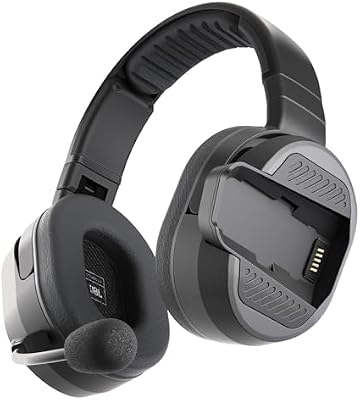
What the Edgephones actually are
The parts list is short: a foldable over-ear headset with a segmented flexible headband, sliding extenders and ribbed padding, the magnetic Air Mount that holds an Edge unit, JBL-branded dynamic drivers, and a wired boom microphone with a foam windscreen. Cardo prints a passive noise reduction rating of NRR 15, which describes the earcup seal rather than any electronics.
Three rows disagree about the basics. The Communication System Included row says no, and it agrees with the first bullet, which warns in capital letters that the Packtalk Edge system must be purchased separately. The Built-In Media row then lists a communication system in the box, which contradicts both.
Further down, the table hands the headset Bluetooth 5.2, a ten-meter range and a charging port on the earcup, radio rows for a product whose radio lives in the clipped-on Edge unit. The honest read: this is a mount, two speakers and a mic, and the rows that say otherwise are the same spec-table noise we found on Cardo's 45mm audio set and second-helmet kit pages.
The compatibility wall is real, and owners hit it
The highlight row narrows the fit to two models: works only with Packtalk Edge and Edge ORV. That row earns its place.
One owner has reported ordering for a Packtalk Bold and finding it does not fit, because the Bold carries an older attachment point that Cardo phased out. A second text reports the headset was not compatible with the writer's Cardo unit at all. And one buyer calls the headset not usable without the separate piece, too expensive to have to buy both.
The lesson costs nothing to apply. Check the model name on your unit before ordering. The Packtalk Edge single is the model this headset expects, and the ORV variant takes the dedicated ORV rung described below.
The clamp is the story the record keeps telling
Two accounts describe the headband grip as harsh. A crane-crew owner reports that everyone who wore them complained about the tightness, and that a single day of wear felt unbearable, with no way to adjust the clamping force. A support-van driver who wore them six to eight hours a day returned them, citing a vice-like grip and a chunky build, and wishing for active noise cancellation on top.
The counterpoint is worth reading before writing the headset off. One owner has argued the tight grasp is the design working: a loose headset would fail on rough trails, and the same text guarantees they fit a large head. The 1.81-pound weight row matches the chunky description, and the NRR 15 seal only does its job when the cups press firm.
Nothing in the rows or the record offers an adjustment, so the fit question is binary: wear them all day and they may beat you, wear them on a ride and the grip is the feature.
The full system is the only number that decides this
The Edge single re-sold for 395.96 on the day we priced this headset. Add the Edgephones at 150.36 and the complete off-helmet setup runs 546.32, with the headset costing about 38 percent of the system it attaches to. That is the number a buyer actually weighs, because the headset alone does nothing.
The ladder holds a second product that looks like a price rung and isn't one. The Edgephones ORV single at 476.95 is a different design, model PTHP0002, whose own page claims a built-in second-generation DMC intercom with a one-mile range for in-vehicle and vehicle-to-vehicle use. Its spec table then prints Communication System Included: None, the same self-contradiction in a different box.
At 889.16 for the dual, the ORV rung is its own purchase decision rather than a step up this ladder.
Our intercom comparison table prices this row per rider at 72.68, which lands in the pricier quarter of the 210 listings we track, though below the premium dual packs. The row treats a single accessory as a two-rider product, so read it as a cost-per-headset figure instead. Against the other ways to spend on the Edge family, the kit-plus-audio-set bundle serves a second helmet, while this serves no helmet at all.
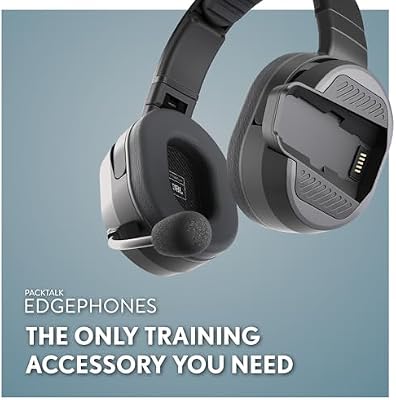
Why the sound accounts deserve belief
The useful accounts come from vehicles, and they agree. A side-by-side owner reports the motor noise cancelled out and chat coming through crystal clear. A quad rider praises the fit and the noise reduction.
A snowmobile-helmet owner pops the Pack Talk off the helmet and onto the headset magnetically for UTV use, and rates the music sound the strongest part of the setup. One buyer tested them cutting grass ahead of RZR season and could hear the intercom fine, and a teaching account describes clicking a Cardo on and being connected instantly in a parking lot.
The physics backs them up. A loudspeaker driver needs an enclosure or baffling to reproduce bass, and a helmet shell provides none, which is why in-helmet speakers lean thin (Wikipedia's loudspeaker article covers the enclosure requirement). An over-ear cup is itself a small enclosure, so the same drivers that sound thin inside a helmet sit in a cabinet here.
Add the NRR 15 passive seal against engine drone and the accounts stop being surprising.
Frequently Asked Questions
Does the Edgephones include the intercom unit?
No. The first bullet says so in capitals and the Communication System Included row agrees. One buyer missed it and called the headset not usable without the separate piece.
Does it fit the Packtalk Bold?
The record says no. One text reports the Bold carries the older attachment point Cardo phased out when this mount arrived, and the highlight row limits the fit to Packtalk Edge and Edge ORV.
Is it waterproof?
The Water Resistance row prints Waterproof. Cardo's own 45mm audio set page prints Not Water Resistant for its in-helmet parts, so the brand applies the label inconsistently across products, and no owner account tests either claim.
Can you adjust the clamping force?
No adjustment appears in the spec rows or the record. Two accounts found the grip harsh enough to matter and one argues the grip is the design, so treat the fit as fixed.
What is the ORV version for?
The Edgephones ORV is a separate product with a claimed built-in DMC intercom and one-mile range for in-vehicle use, priced at 476.95 single and 889.16 dual. Buy it instead of the base headset when there is no Edge unit to mount.