Four riders, one ride, and a budget that rules out the flagship mesh units. That is the exact buyer the Cardo FREECOM 4X goes after, and on paper the pitch lands: 4-way intercom, 40mm speakers, a 13-hour battery, and a 20-minute fast charge.
The ratings picture is harder to read than the spec sheet. 4.3 stars from 2,597 ratings sounds settled, yet five of the ten most recent written reviews are one-star, and the complaints sit in one place, getting the units to talk to each other. Worse, the listing gives nothing to work with: its bullet points repeat a software-update line twice and never explain how four-way communication works.
This piece walks through the recent complaints one at a time, explains what Bluetooth four-way actually promises, looks at the button and dial reports, and digs into the spots where the listing leaves you guessing.
Sound that even its critics praise, at a price our table argues with
The Cardo FREECOM 4X carries 4.3 stars across 2,597 ratings, split 72 percent five-star against 8 percent one-star. It was in stock at 283.46 when we checked, down from a 314.95 list price, and the spec table carries a 2-year manufacturer warranty.
The hardware numbers are the strong part of this listing. Thirteen hours of battery, a 20-minute fast charge, 40mm HD speakers, and a weight of 1.66 ounces on the helmet. It ranks 10th in Powersports Helmet Communication, which puts it among Cardo's better-selling motorcycle trims.
Price per rider is where our data pushes back. At 283.46 for a single unit, the FREECOM 4X lands in the pricier third of the 192 intercoms in our comparison table, and among the units that group four riders it's the most expensive we track. Buying two changes that math slightly: the FREECOM 4X 2-pack priced about 7.9 percent under two singles when we probed both rungs, and we cover that rung separately. The rating record also has a shape worth understanding before you buy, and that's where the rest of this review goes.
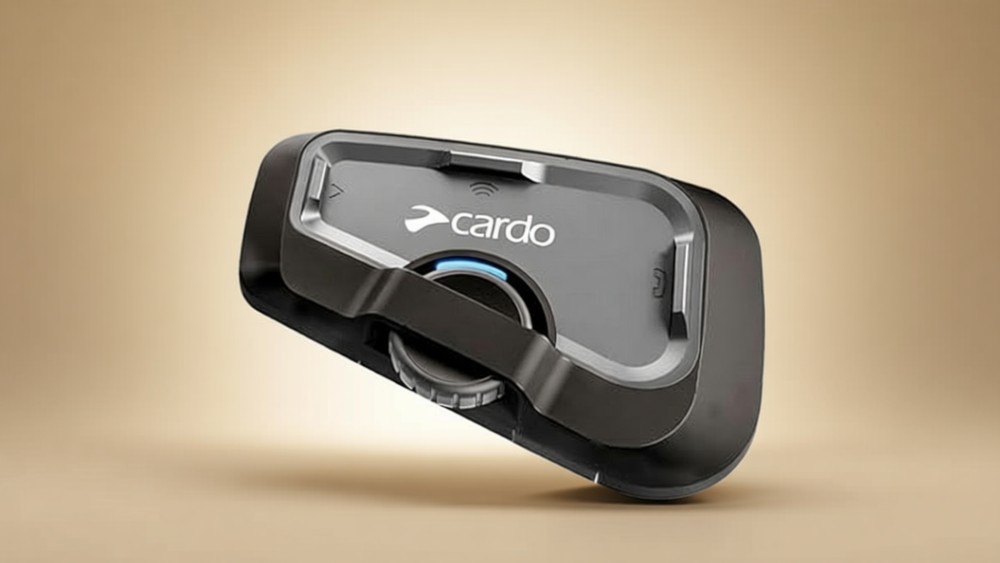
Five recent one-star reviews, read one at a time
The most recent text, from late September 2026, is two lines long: the headset keeps disconnecting from Bluetooth, a hard reset didn't fix it, and the buyer is returning it. Short complaints are easy to dismiss, so it's worth reading what came before.
Early September brought the longest of the negatives. That buyer reports no printed instructions in the box, support reachable only through a chat box that couldn't explain how to connect units for intercom, and a Bluetooth pairing problem never resolved. Whatever the underlying fault, a buyer who can't get four units talking has bought nothing.
July's entry is the one that should worry a four-rider group most. Two FREECOM units wouldn't pair with each other, and when they finally connected, the display said rider A unavailable for no reason the buyer could find. June's report is different in kind: the microphone failed after six months of use, and the buyer couldn't reach the seller at all.
One owner did report a fix for the connection trouble, a complete disconnect and reconnect suggested by support, so some of this is solvable at the roadside.
What four-way Bluetooth actually promises
Bluetooth intercom has no relay. A four-way conference on the FREECOM 4X is direct links between riders in range of each other, the cap is the four conferences the hardware supports, and a rider who pulls out of range is simply gone.
Mesh units work differently: every headset relays for the others and the chain heals itself when one drops, which is the whole reason the flagship units cost more. Wikipedia's mesh networking reference covers the topology difference if you want the mechanics.
The owner reports fit that explanation. The pairing trouble in the recent texts involves cross-model connections, one buyer naming a FREECOM 2X and another naming a mesh unit that kept dropping the link. Cardo's own bullet phrase is universal Bluetooth connectivity, and that's real for phone audio, but the phrase doesn't prepare anyone for intercom sessions that argue between Cardo's own product lines.
None of this means the four-way feature is broken. It means the setup burden lands on you, with a chat box as the documented safety net, and the listing never says a word about it.

Buttons, dial, and the strap that turns it off
The most useful recent text is a two-star, written by an owner who rates the sound first. Their verdict on audio: better than most helmet speakers, and loud enough to push through earplugs, barely. That praise from someone otherwise unhappy is the strongest audio signal in the record, and the five-star texts say the same thing with less detail.
The controls take the rest of that review apart. The three main buttons are stiff and small in gloves.
The dial, meant to be the primary control, presses upward too easily, so a shoulder turn bumps it, a backpack strap bumps it, and volume adjustments risk the same upward press. That owner reports riding with the FREECOM 4X switched off by accident more than once, and says another brand's controls feel better thought out. They also needed real force on the release tab, enough to worry about tearing the mounting base off the helmet.
Separately, one owner reports the phone app often failing to find the FREECOM 4X even with the devices side by side, and another calls intercom setup through the app worthless while granting that music alone works well. App discovery isn't a ride problem, it's a setup problem, but it's the same category of friction as the pairing reports: the hardware plays music fine, and the connective tissue around it is where owners get stuck.
A listing that makes you work for the facts
Count the bullet points on the FREECOM 4X page: an over-the-air update line, a fragment reading wireless, an included-components fragment with a typo, and then the update line again. That's the whole pitch. Everything real about the headset sits in the title and the spec table, and a buyer skimming bullets learns almost nothing.
The spec table has its own problems. One field says noise control: none.
Another says active noise cancellation. Both can't be true, and nothing on the page resolves them. The word waterproof appears in the title, but with no IP code anywhere, and the IEC 60529 standard exists precisely because waterproof without digits isn't a testable claim.
Wikipedia's IP code page shows how much meaning lives in those two digits, from dust-tight vacuum tests to a 1-meter fresh-water immersion.
The practical upshot: read the spec table, skip the bullets, and walk in knowing the risk this page never mentions is setup friction, not sound quality. The 13-hour and 20-minute-charge figures have no owner confirmation in the texts we pulled either, so they're manufacturer numbers until someone documents them.

FAQ: answers to the questions riders send back
Can four riders really talk at once?
Yes, that's the hardware's core feature, four-way conference calling between units in range of each other. The caveat comes from owners: cross-model pairing with other Cardo units has failed for some, and one group saw a rider A unavailable error between two 4X units. Budget time for setup, and test the full group before ride day.
How fast does it charge?
The spec table says 20 minutes, sold as fast charging. No owner text we pulled confirms or disputes it, so that figure is the manufacturer's word only.
Is the FREECOM 4X waterproof?
The listing says waterproof but states no IP code, so there's no published test behind the word. Cardo rates its motorcycle line for weather, and no owner text reports water damage, but if you ride in sustained heavy rain, that's a question to put to the seller in writing.
How is the sound?
Consistently the best-supported claim in the record. The critical two-star review still calls it better than most helmet speakers and loud enough for earplugs, barely, and the harshest setup complaint in the file grants that if you just need sound, it's great. The five-star texts are shorter but agree.
What support exists if pairing fails?
One owner describes chat-only support that couldn't resolve their intercom setup, while another got a working fix from support, a complete disconnect and reconnect. A microphone that failed at six months found no seller contact path at all. The 2-year warranty is listed on the spec table, so keep your order record close.