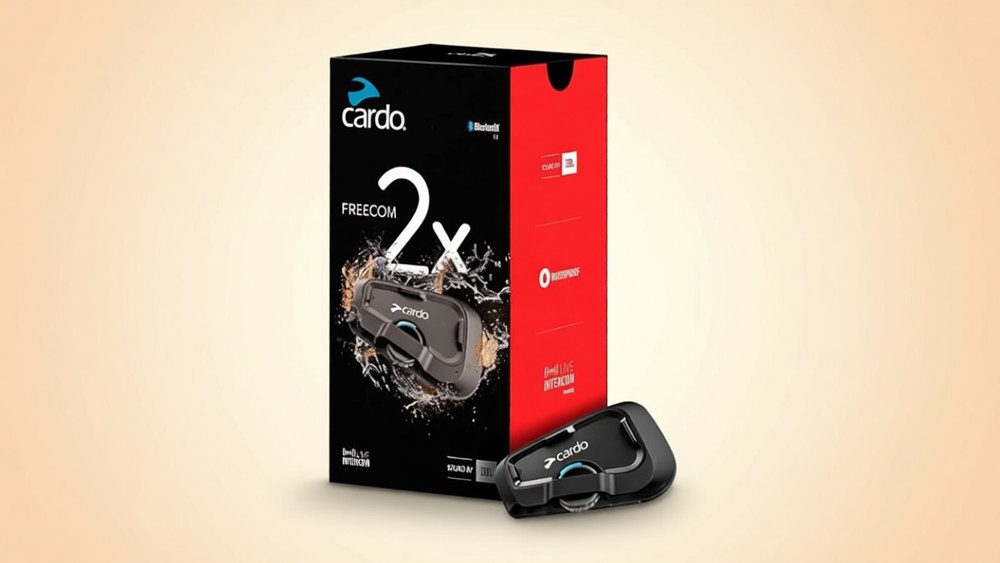
The Cardo Freecom 2X is brand money for two riders: JBL-tuned 40mm audio, a waterproof build, FM with RDS, and firmware that improves after purchase through the app. It prices mid-table per seat on our table, the rider limit is two, and one owner reported connection failure inside 50 feet. Audio-first pairs win here. Groups and value hunters should look elsewhere.
The battery claim, and the conflict in the reports
Cardo claims 13 hours, and the independent reports disagree with each other in an instructive way. One reviewer measured about half the charge gone after two hours of music at full volume. Another says the claim holds and often exceeds it. Both accounts can be true, because volume drives draw, and the spread between them is the honest answer to "how long does the battery last."
If you ride with music loud, plan for shorter sessions between charges or carry a USB top-up. If the intercom does the talking and music stays low, the 13-hour figure is realistic. The mistake is treating either report as the universal truth, when the honest framing is that this pack's endurance depends on how you use it.
Two riders, one job: what the limit means on the road
The 2-way limit is the Freecom line's core spec: rider plus one, no group, no mesh. For couples and rider-passenger use, that is not a limitation, it is the actual use case. For anyone who occasionally rides with a third bike, it is a hard ceiling that no amount of money lifts within this line.
Range follows the class pattern, with real-world distance running 30 to 50 percent of claims. One owner's report of garbled audio at 20 feet and drops at 50 feet is the low end of that spread, and it is a reminder that walls, hills, and traffic decide the link as much as the hardware does. Ride within sight of each other and the system does its job.
Once established, the two-rider pairing holds steady. The Cardo Connect app handles the initial setup, and it reconnects on its own after a fuel stop in normal use. Owner-reported failures tend to involve distance and terrain, not the pairing process, which is the right place for this class's weaknesses to live: a dropped link after a long gap is annoying, a dropped link at a stoplight is a defect.
The universal-pairing feature is the quiet upside: one-to-one Bluetooth fallback works across brands, so a Cardo rider can pair with a Sena friend for a chat. Groups still need matching units, but two riders with mixed gear have a path that most budget chains lack.
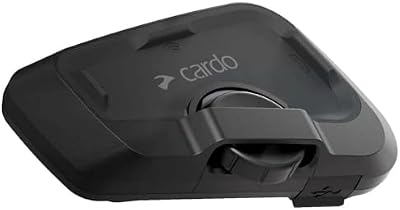
The install is the standard Cardo clamp-and-pad pattern, and the Freecom 2X ships as a single unit, so a pair buys two boxes rather than one dual pack. That changes the math for couples: two single units at this price land near the 2-pack prices of budget brands, sometimes above them. The purchase decision is therefore not just about features but about whether the JBL tuning and brand support justify paying single-unit prices twice. For riders who keep a helmet for five years, the per-year cost flattens. For riders who upgrade often, it does not.
What the brand money actually buys: JBL, waterproofing, and the app
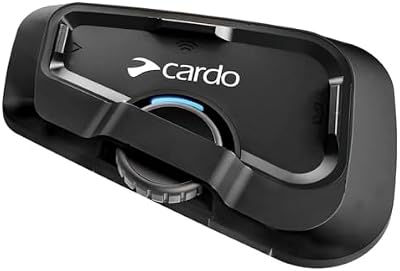
The JBL 40mm speakers are the audio signature, and they are the reason audio-first buyers pay brand prices. The tuning keeps vocals clear at highway speed with bass that does not smear, which budget 40mm units approach but do not match.
The waterproof build survives storms that end cheaper units' rides, FM with RDS locks the strongest signal when the phone drops out, and over-the-air updates mean the firmware improves after purchase. The Cardo Connect app handles pairing, speaker profiles, and the update process, and it is the more polished companion app at this tier, which matters more than it sounds: pairing chores happen at every ride start, and an app that does them cleanly removes a daily friction that cheap apps create.
The over-the-air update path is the part that compounds, because a unit bought today keeps getting firmware it did not ship with. That is the least glamorous advantage and the most durable one: the Freecom 2X you own in year two is better than the one you bought.
Against the Spirit, Cardo's own cheaper two-rider unit, the 2X justifies its premium with the JBL tuning and the app polish rather than any spec-sheet capability the Spirit lacks. Both are two-rider, both are waterproof, and both carry the brand's support. The 2X sounds better and behaves better in daily use. Whether that difference is worth the price gap is exactly the kind of call our Spirit review helps make, because the answer depends on how much audio quality weighs in your own ranking.
Who should buy it, and who should spend differently
Buy it if you ride as a fixed pair, audio quality leads your list, and you want the brand's support and update path. The per-seat price is the cost of those things, and for the buyer they fit, they are worth it.
Spend differently if you ride in groups of three or more, because mesh is the fix and this line does not offer it at any price. Spend differently if the lowest price per seat wins, because budget chains connect six riders for less than one of these. And spend differently if battery is your make-or-break spec, because the reports conflict and a unit with more consistent endurance records exists at lower prices. Battery anxiety on a tour is a bigger cost than the price gap, and riders who have lived with a gauge that lies know it. Our Cardo Spirit review covers the brand's cheaper two-rider cage, and the intercom table shows the live comparison.
Frequently Asked Questions
How many riders can connect?
Two: rider plus one. No group support, and no mesh at any price in this line.
How long does the battery last?
13 hours claimed. Reports conflict: one measured half gone after 2 hours of loud music, another says the claim holds. Volume drives the spread, and the honest buyer plans around their own listening habits rather than either published number.
Can I pair it with other brands?
One-to-one universal pairing, yes. Cross-brand groups, no.
Is it waterproof?
Yes. Rain and downpours are non-events.
Is it worth the price for two riders?
If JBL audio, brand support, and OTA updates lead your list, yes. If rider count or price leads, no.