The dual 48V/52V label was never two products, it was one 16S LiFePO4 pack with a 58.4V full charge, and cargo and trike builders who verify controller cutoffs are the real winners here. This 1440Wh pack sat at 21 cents per Wh with a 50A BMS and 1500+ cycle chemistry for a recorded 299. The ASIN is retired, and the voltage-check habit is what survives. Check your controller first.
One pack, two labels: the 16S1P explanation
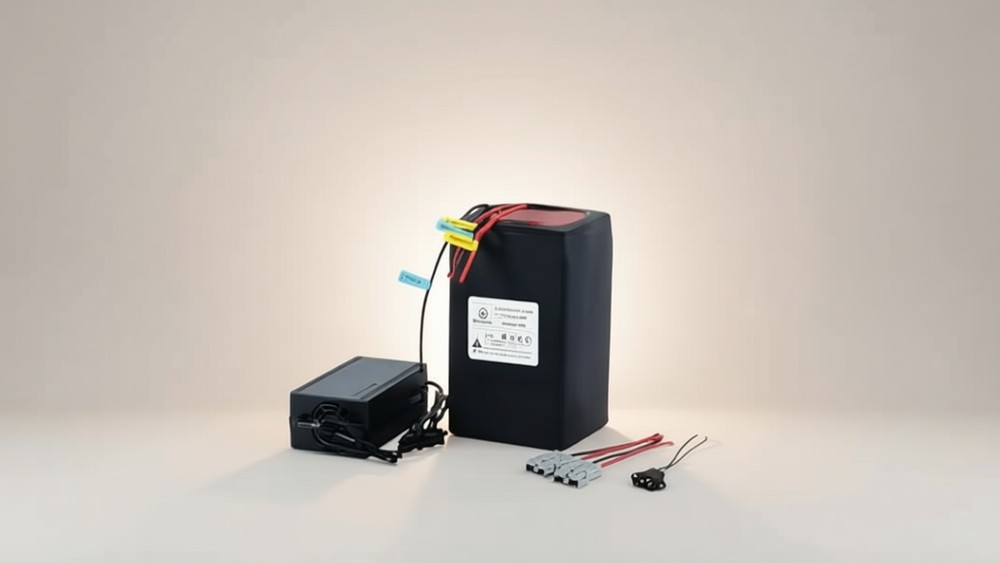
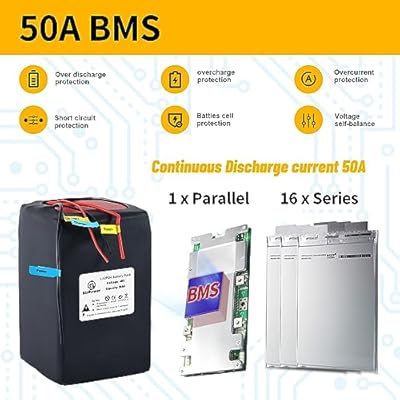
The brand's current listing states it plainly: a 16S1P build is why the same pack carries both the 48V and 52V labels. When you multiply sixteen cells by 3.65 volts, you hit a ceiling of 58.4 volts when the pack is full. It settles around 3.35 volts per cell after the charge ends. That math explains the confusing labels: they describe a single piece of hardware.
LiFePO4 chemistry straddles the standard 48V and 52V lines, which lets makers reach both markets with one build. The voltage also stays high for most of the discharge, so the bike feels strong until the pack is nearly empty. Two labels, one battery, and no magic in either number.
The check that matters: your controller's high-voltage cutoff against 58.4 volts. A strict 48V unit often caps at 54.6 volts and will reject the pack or fault when full. Most modern controllers overlap both chemistries, but verifying the cutoff takes two minutes and saves the ride.
The chemistry math: 1500 cycles at 21 cents
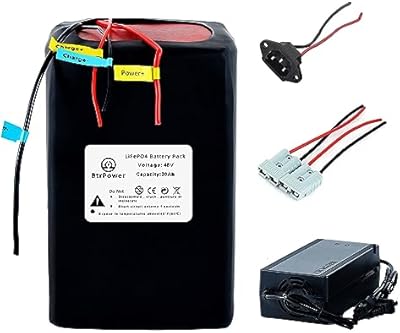
The box feels heavy when you lift it, but the LiFePO4 chemistry carries a 1500+ cycle brand claim against the 500-1000 band of standard NMC packs. You're trading weight for longevity, because this pack holds its capacity over years of daily riding. The flat discharge curve keeps output steady until the cells are nearly empty, so there's no late-ride sag cliff.
The 50A BMS on the family line pushes about 2400W of steady draw at 48V, which covers a 1500W motor with real headroom on steep hills. It protects against shorts, overcharge, and over-discharge. A shallow-discharge bonus comes free with a pack this size: short rides rarely drop the cells below half, which stretches real life beyond the rating.
The value case was the recorded price, 299 for 1440Wh at 21 cents per Wh, which undercut most LiFePO4 rivals at the time. The brand's current line reprices the family at 239 for the 25Ah size with the same construction claims, so compare per-Wh before you order.
There is a service-life comparison that makes the weight easier to carry. A 500-cycle NMC pack replaced every two years costs more than one 1500-cycle LiFePO4 pack bought once, even when the sticker price is higher, because the second and third purchases are where cheap batteries stop being cheap. Daily riders hit the crossover fastest. Weekend riders may never reach it, which is why the right pack size depends on how often you actually ride.
What 1440Wh actually buys you in miles
The pack holds 1440 watt-hours, but only about twelve hundred and twenty-four are usable, because cells deliver roughly 85% of their rating in real riding. If you pedal assist at fifteen to twenty-five watt-hours per mile, you'll cover between forty-nine and eighty-two miles. On throttle alone, the range drops to thirty-one through forty-one miles, because the motor pulls energy fast. Cold weather and steep hills pull both numbers down.
Because the pack is an external box, you'll mount it on a rack or in a triangle bag, which changes how the bike feels in corners. You can't hide it inside a frame. Measure your case before ordering, because the family spans several sizes and the wrapped box ships with tagged discharge and charge leads.
The extra capacity means you won't stop for a charge on a long day, and you rarely drain the cells deep enough to stress them. That is the real argument for a big LiFePO4 pack: distance plus lifespan from the same purchase.
One habit protects that lifespan more than any other: avoid storing the pack full. LiFePO4 tolerates sitting at full charge better than NMC, but weeks at the ceiling still age the cells. Charge to full the night before a ride, and leave the pack at sixty to seventy percent if the bike sits for a month. The brand's own listing notes the voltage settles after charge, and a pack that reads slightly lower than its maximum after resting is a pack behaving normally.
Who should buy it, and who should spend differently
If you're building a cargo bike, a trike, or a scooter around an external mount, this pack makes sense, because the cycle life beats standard cells and the per-Wh price beat the class. Verify the 58.4V cutoff first.
The verification takes five minutes with a multimeter and the seller's spec image. Charge the pack fully, read the voltage at the discharge leads, and compare it against the highest voltage your controller's manual lists as acceptable. If the manual tops out below 58.4V, contact the controller maker before you buy the pack, because some cutoffs are configurable and some are fixed. A configurable limit turns a strict controller into a compatible one for the price of a settings change.
If you only ride weekly, a smaller pack costs less and serves the same trips. If you need frame-integrated, look elsewhere. The BtrPower 48V 50Ah LiFePO4 is the big brother for extreme range, the 15Ah version is the lighter sibling, and the battery table sorts the whole field by price per watt-hour. Check the current 48V 30Ah listings for what's live today.
Frequently Asked Questions
Is this battery 48V or 52V?
Both labels describe one 16S1P pack that reaches 58.4V at full charge. The number that matters is your controller's high-voltage cutoff, which must accept 58.4V.
How much range can I expect per charge?
Between 49 and 82 miles with pedal assist, or 31 to 41 miles on throttle alone, based on standard consumption bands and the 85% usable rule.
How long will the battery last?
The brand claims over 1500 cycles, which is about four to five years of daily full cycles. Shallow-discharge habits stretch the real life beyond that rating.
Will this battery fit my bike?
It's an external box, so measure your rack, bag, or bracket space before ordering. The family line spans several sizes with the same construction.
What couldn't be verified about the retired listing?
Connector type, the exact charger included, and the review pool can't be checked now that the ASIN is gone. Confirm those details on whatever current listing you buy from.