A dead 52V pack leaves you with fewer options than a 48V one does. The budget market is thin up here, the listings blend together, and the prices climb past what a spare battery should cost for a bike that may outlive three cheaper packs.
ZLSHELIBK's 20Ah listing makes the promises you want to see at this price. Samsung cells, a safety certification, a thousand cycles. Then you weigh them.
The pack claims 1040Wh in a 5.2kg case, and the arithmetic around that pair does not behave like other packs do.
The rating is a perfect 5.0, from four people. Two of them wrote anything down, and only one of those two has a confirmed order behind their words.
Two short texts are the whole record. Everything else the listing promises stands on its own.
The ZLSHELIBK 52V 20Ah sits in the pricier third of the 301 battery packs we track on price per watt-hour, and the exact position renders live in our comparison table. It costs more per watt-hour than most of the field, and nothing in the record explains why.
The rating is 5.0 from four ratings, a 100 percent five-star histogram with nothing in between, and one of the two written texts carries no confirmed order.
What holds it up: the fit story in that unverified text, a 50A BMS, and a four-amp charger in the box. What does not: a weight-to-capacity sum that lands at double the industry norm, a cell claim the listing's own spec table contradicts, and a certification with no paperwork behind it.
For a dead pack that matches the mount, this is a calculated gamble. As an upgrade, the record gives you nothing to go on.
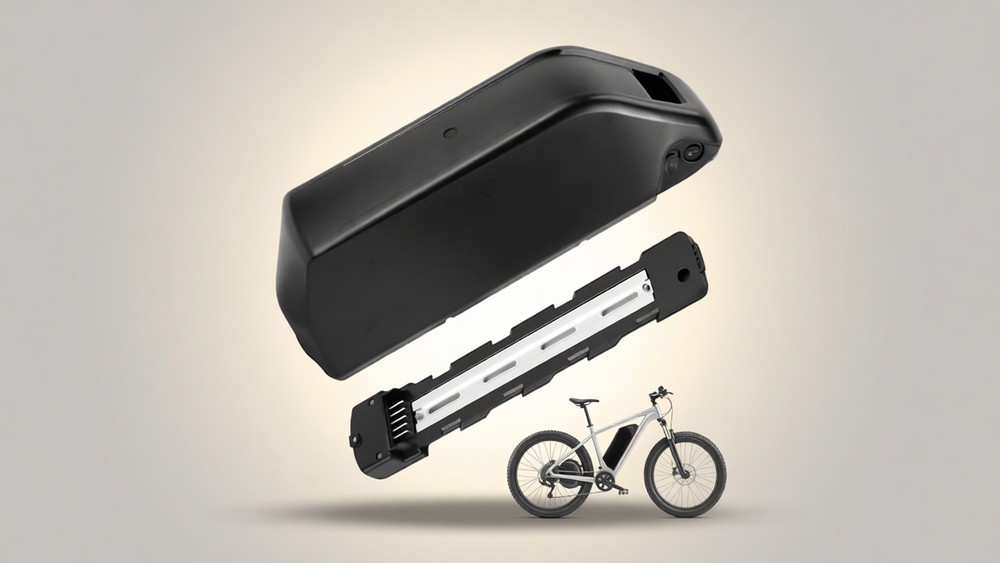
The one text with details is the one without a confirmed order
The verified text is the shorter one. It says the battery arrived securely packaged and holds a charge really well, and that's nearly all of it.
The writer adds that they're glad they spent extra on a quality battery and that their previous one worked for seven years before it crashed permanently. That seven-year figure is about the old battery, not this one, which is easy to misread and worth stating plainly.
The text with actual detail has no confirmed order behind it. That owner expected to rig the fit with zip ties and duct tape and reports the opposite: the dimensions and connector matched an older e-bike exactly, and the pack was mounted and running in under ten minutes.
The same text puts charging at four to five hours from dead to full, which happens to check out against the four-amp charger in the box, since 20Ah at 4A is about five hours.
Nobody in the record reports a distance ridden, a hill climbed, or a month of ownership. The two texts together run about a hundred words. What a buyer most wants to know, how far it goes and how long it lasts, is simply not there.
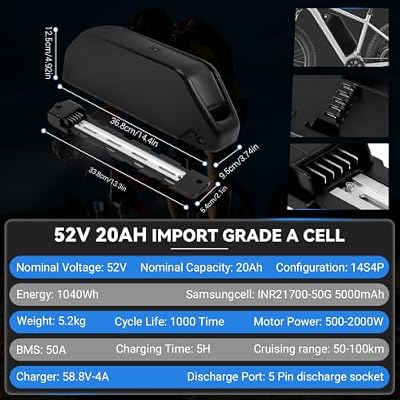
The weight-to-capacity sum does not close
The listing states 1040Wh and 5.2kg. The arithmetic says about 200 Wh per kilogram for that pair, and ebikes.ca states around 110 Wh per kilogram for a complete lithium pack, counting the case, the BMS and the wiring. The claim is nearly double the norm for a finished pack.
One of the two numbers is likely not what it seems. Either the cells hold less than 20Ah or the case weighs more than 5.2kg, and the listing gives no third figure to break the tie. The model string, Polly2170 DP-5, names the 2170 cell format, and a 52V pack implies roughly fourteen cells in series, but neither detail says who made the cells or what they hold.
This is arithmetic rather than an accusation, and the seller may resolve it with a spec sheet. Until one appears, the honest reading is that the capacity and the weight cannot both be true, and the range math built on 1040Wh inherits the doubt.
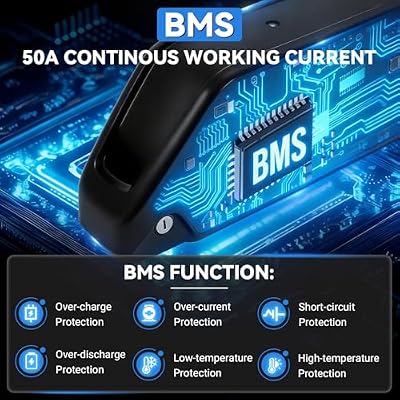
Three claims, zero paperwork
The title says Samsungcell as one word, and a bullet repeats premium Samsungcells. The spec table's own Battery Cell Type field reads Other Than Listed. Both cannot be right, and the contradiction sits inside a single listing. No cell model number appears anywhere that would settle it.
The certification claim comes with its own tell. The bullet says UL 2271 certifated by ACT Laboratory, misspelling certificated, and provides no certificate number or document. ACT Lab is a real test lab, but a cert claim is worth only what the paperwork shows, and none is offered.
The cycle claim runs against the same current. The listing promises over 1000 cycles. Battery University's BU-808 puts the manufacturer norm for lithium-ion in most consumer products at 300 to 500 full cycles, and the warranty covers one year.
The brand's own history points the same way: the 21.2Ah ZLSHELIBK sibling we track collapsed from an 11-review perfect 5.0 in February 2026 to 3.8 from 4 ratings, with a heat-during-charge complaint and a buyer-paid return in its record. That history belongs to the sibling, not this pack, but it is the same maker and the same claims pattern.
A calculated gamble for a dead pack, not an upgrade
The range, as arithmetic only: typical pedal-assist riding runs 9 to 12 watt-hours per kilometer by ebikes.ca's usage table, so 1040Wh works out to roughly 87 to 116 kilometers, and full-throttle or loaded riding at 14 to 20 cuts that to about 52 to 74. Depth of discharge trims both figures further, and every number inherits the capacity doubt from the weight sum above.
The electrical case is the one part that closes cleanly. A 50A BMS at 52V carries about 2600W continuous, which covers the listing's 500-2000W motor window with room to spare, and the four-amp charger matches both the capacity and the one owner's four-to-five-hour report.
Buy it if your old pack died, this one matches your connector and the 14.4 by 4.92 by 3.74 inch footprint, and you accept that the record behind it is four ratings deep. Skip it if you want proven value per watt-hour. The comparison table has cheaper bands with bigger records, and this pack's price sits at the expensive end of ours for no documented reason.
Frequently Asked Questions
Are the cells really Samsung?
The title and a bullet say so, but the spec table lists the cell type as Other Than Listed, and no cell model number appears anywhere in the listing. The model string names the 2170 format only, which says nothing about the maker. There is no way to confirm the brand from the listing itself.
Is the UL 2271 claim verifiable?
Not from the listing. The bullet misspells certificated, names ACT Laboratory, and provides no certificate number or document. Buyers who care about the cert can ask the seller for the paperwork before ordering.
How far will it go?
As arithmetic, 1040Wh at the typical pedal-assist rate of 9 to 12 watt-hours per kilometer is about 87 to 116 kilometers, and full-throttle riding cuts that roughly in half. No owner in the record reports a distance, and the weight-to-capacity sum above adds a capacity doubt to every figure.
How long does it take to charge?
The box includes a four-amp charger, and 20Ah at 4A is about five hours. That matches the one owner who reported four to five hours from dead to full.
Does it fit my bike?
One owner reports an exact fit on an older e-bike, with the dimensions and connector matching and a ten-minute install. The pack measures 14.4 by 4.92 by 3.74 inches, and the listing asks you to verify voltage, capacity and connector compatibility before ordering, which is sound advice for a 52V system.