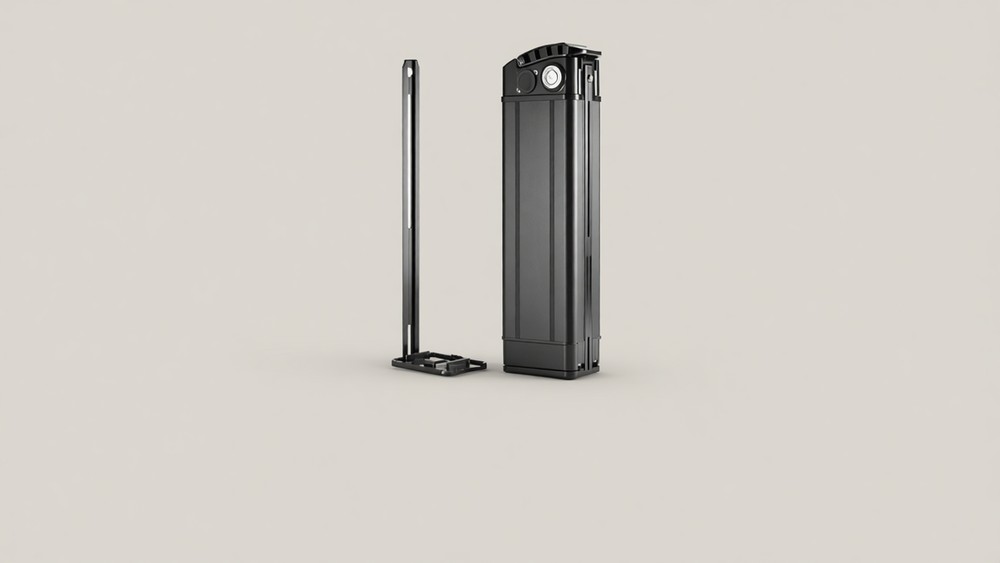
Silver fish batteries slide onto a rail under the frame, and that shape turns any replacement into a measurement job before it is an electrical one. The Xunyunda 48V 16Ah was built for that mount: 768Wh in a rounded case with a bottom rail, a key lock to hold it in place, and a 2A charger in the box.
The listing is gone from Amazon now, and it left with a frozen record. Our February 2026 capture caught it as a brand new listing with zero ratings and zero written reviews, and the page died before any record could build. This article rebuilds from that recorded data and works through what a silver fish replacement has to match, the math behind 768Wh, and whether the power numbers hold up.
On value it sat well. The captured price put it in the cheaper third of the 324 packs we track by price per watt-hour, which is a good position for a mid-size 48V pack.
Value only matters if the pack fits your rail, so the measurements come first. Browse current 48V silver fish packs on Amazon to see what is available now.
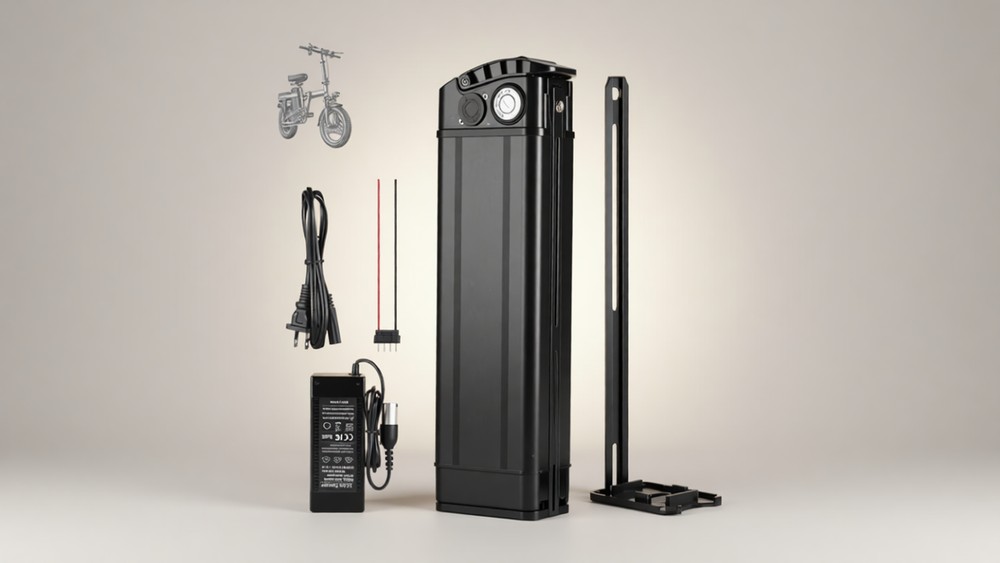
What a silver fish replacement has to match
Three things decide whether a silver fish pack works on your bike, and none of them is the cell brand.
First, the cross-section: silver fish cases share a rounded oval shape, and your frame bracket is cut to hold exactly that profile.
Second, the rail length, which decides whether the pack slides on fully and locks. Third, the pin count on the base, which carries both the discharge wiring and the communication between pack and mount. The recorded data for this pack never listed its length or its pin count, which is a real gap for a replacement hunt, and I come back to it below.
Why mismatches fail quietly
A wrong cross-section will not fit at all, so that failure happens before the order leaves your cart.
Length and pins are the quiet failures. A pack that is an inch too long still slides most of the way and looks installed, until the lock will not engage or the case rocks on a bumpy road. A pin mismatch can power on and still refuse to communicate, leaving a bike that will not wake up.
Makers vary all three across their own ranges, so the only safe method is to measure your old pack and compare before ordering. The comparison table filters by form factor and voltage, which narrows the field to packs built for the same mount family.
The math behind 768Wh
Forty-eight volts times 16 amp-hours is 768Wh, a mid-size tank for a 48V rider. Range starts from a tested anchor: the em3ev 48V battery guide puts a 0.96 kWh pack at 30 to 40 miles on throttle alone and 50 to 65 with light pedal assist.
This pack holds four fifths of that energy, so the bands scale to roughly 24 to 32 on the throttle and 40 to 52 with a light leg, and mixed riding with hills lands between them.
At full charge the pack should sit at 54.6V, which is 13 cell groups times 4.2 volts and the standard 48V termination. Every common 48V charger targets that number, so replacements are easy to find.
Charging is the slow side. The box included a 2A charger, and 16 amp-hours at 2A is 8 hours from empty. The title printed that 2A charger as a feature, which is honest, but overnight is the only realistic charge window at that rate.
A 4A charger would cut the time in half, as long as the pack's port accepts the higher current, and that acceptance was never recorded.
Power math: 1,200W over a 750W claim
The recorded BMS is rated 25A continuous, and 25 amps at 48 volts is 1,200W. The title claims motor support from 200W to 750W, and a 750W motor draws about 16A, so the claim sits well inside the limit with room to spare. A 250W floor motor draws about 5A.
That headroom runs in the honest direction. Plenty of listings this season printed BMS numbers their own motor claims could not justify, and this one goes the other way, with a third more capacity on tap than the largest motor it names. The extra margin matters on long climbs, where a motor near its limit holds high current for minutes at a time.
What the headroom does not tell you
A generous BMS number says nothing about the cells behind it. The listing never named a cell brand and never printed a cycle-life figure, so there is nothing to check either claim against. Our Wikipedia lithium-ion reference puts the typical cell at 400 to 1,200 full cycles, and any successor pack that claims more than that band should earn your suspicion rather than your order.
A record frozen at zero
Here is the honest part. This pack never accumulated a single rating before its listing died, so there are no owner reports to quote, and none will ever exist. Anything written about how it behaved on the road would be invented, so this page does not write any.
What a buyer could once check on the live listing is now closed. The zero-record means the value case rested entirely on the spec box: 768Wh, a 25A board, a lock, and a charger, at a cheaper-third price. That is a coherent spec box, and coherence is not proof.
The brand's 20Ah pack under the same name made the same first impression, and the Xunyunda 48V 20Ah review covers that larger sibling from the same recorded-data method.
Who this pattern fits
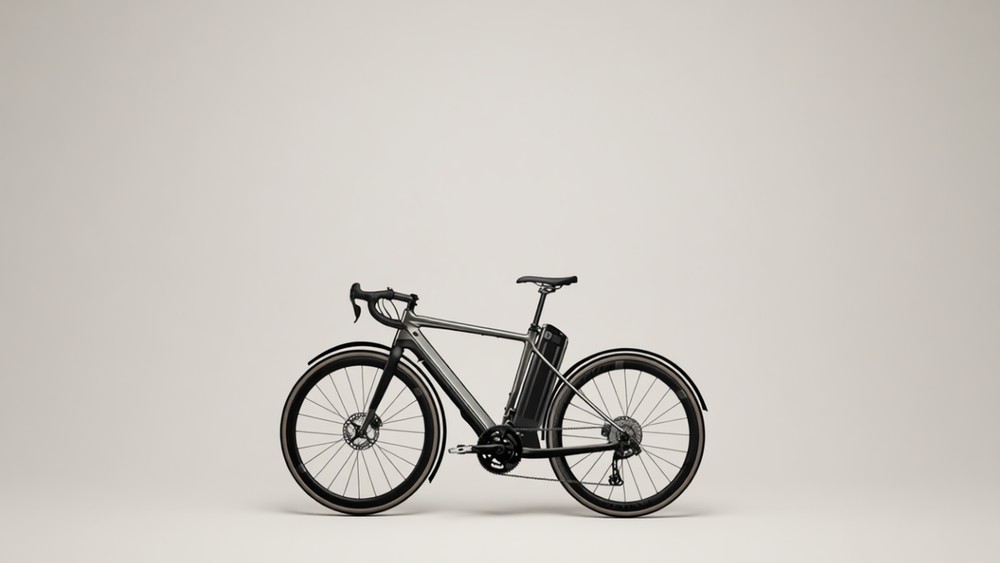
If your bike already carries a silver fish pack, your system runs 48V, and you want more than the 10 to 13Ah starter packs usually hold, this capacity class is the sensible target. The rail measurement decides the rest, and it beats every spec on the page.
If your bike takes a downtube pack with an angular case or a rear-rack battery, no amount of adapters makes this form factor fit, and the mount type settles the question before anything else matters. The comparison table sorts all three form factors side by side, and our review archive covers packs across the range.
Hunting a successor means applying the same three checks to live listings: cross-section, rail length, pin count, then the spec box. Compare 48V 16Ah silver fish packs on Amazon with a tape measure and your old pack's base in hand.
Frequently Asked Questions
How do I know my bike takes a silver fish battery?
Look at the pack or the empty bracket. Silver fish mounts hold a rounded oval case on a rail along the bottom of the battery. An angular case with a side rail is the shark or hailong family, and a pack hidden inside the frame is neither.
How long does a full charge take?
The floor is 16 amp-hours at the included 2A charger, or 8 hours from empty. A 4A charger halves that if the pack's port accepts it, and that acceptance was never recorded for this listing.
Can I use this pack on a 36V bike?
No. A 48V pack delivers a higher voltage than a 36V controller and motor are built to handle, and the mismatch can damage components. Match the pack voltage to the system voltage first, then everything else.
What should I measure before ordering a replacement?
Three things: the length and cross-section of your old pack, the rail length on your bracket, and the pin count and layout on the base. Case families ship with different pin counts across makers, and the parts market lists 4, 5 and 6 pin bases for common ebike cases, so the pin count is not something you can assume.
Did anyone ride this pack and report back?
Not in anything we captured. The listing died with zero ratings and zero written reviews, so this page quotes no owner stories and invents none. Any successor listing's growing record is the closest substitute.
Is 768Wh enough for commuting?
For most commuters, yes with room to spare. The scaled range bands run 24 to 32 miles on throttle alone and 40 to 52 with light pedal assist, so a daily round trip under 30 miles leaves reserve even in cold weather, which trims range further.