Silver fish packs are what a whole generation of budget ebikes took before downtube batteries became the norm. When one of those original packs dies, you're not shopping in a wide market. You're looking for whoever still molds a shell in that shape, and the pickings are thin.
This VODIPOWER 48V silver fish pack is one of the current options, at 159.96 with a 30A BMS and a four-pin discharge port. On paper it does the two things a replacement needs to do: it holds the old shell shape, and it pushes enough current for a 500 to 1000W motor.
I want this to be simple, and it isn't, for a reason the listing itself created. The same product page has now carried two different capacities, and the model number disagrees with both of them.
That's the honest summary. The listing changed size between our captures, the review record has sat empty for at least three months, and the price per watt-hour is unflattering on either capacity reading.
None of that proves the pack is bad. All of it changes how carefully you should buy one.
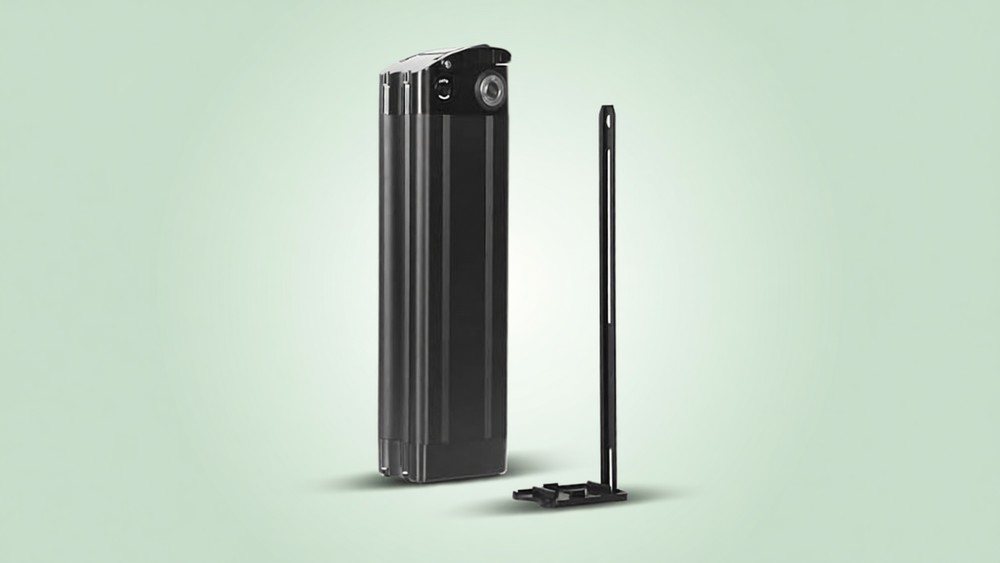
One listing, two capacities, and a model number that kept the old size
When our data pass first captured this listing, the title ended in (48V 10.6AH), and that is the capacity our comparison table still carries for this ASIN.
Today the same title ends in (48V 13AH). The watt-hours move with it: 48 volts times 10.6 amp-hours is 508.8Wh, and 48 times 13 is 624Wh. That's about a fifth of the pack's energy, decided by a title edit nobody announced.
The model number is the part that refuses to join in. The spec table reads VDP-4810-0330, and that 4810 spells 48V 10Ah. A pack listed at 13Ah has a model number claiming 10.
On a page with zero reviews, the model number is usually the one field the seller doesn't bother to update, which is exactly why it's worth reading.
Which number is true? The listing won't tell you, and with no owner reports to lean on, nobody else can either. What you can do is settle it the day the box arrives.
How to check which pack actually shipped
Read the label on the pack itself. Multiply the printed volts by the printed amp-hours. If the arithmetic lands near 624, you have a 13Ah pack. If it lands near 509, you have the 10.6Ah pack the model number describes.
Either way you know what you bought before the return window closes, and that matters more here than on a settled listing.
Weigh it too. The page prints 7.94 pounds, and cells scale with capacity, so a pack meaningfully under that weight is probably the smaller one. It's an imperfect check, but on a listing this fluid, imperfect beats trusting the title.
Two readings, two sets of numbers
Range moves with the capacity, so this pack has two honest answers. On the 13Ah reading, 624Wh at a gentle 15 watt-hours per mile of pedal assist is about 41 miles, and full-throttle riding at double that burn rate cuts it to about 21.
On the 10.6Ah reading the same math gives roughly 34 miles pedaling and 17 on the throttle. The pedal-assist figures sit inside the 25 to 75 mile per-charge spread Wikipedia's electric bicycle article gives for typical ebikes, at the modest end, and full throttle falls below it. That is what you'd expect from a pack this size.

Value is the part where I will be blunt. At 159.96, the 13Ah reading works out to about 26 cents per watt-hour and the 10.6Ah reading to about 31.
On our battery comparison table, which tracks 301 packs by price per watt-hour, this listing sits in the pricier third either way you count it. Large generic 48V packs sell for noticeably less per watt-hour, and you're paying the difference for the shell shape, not for energy. If your bike takes any modern standard mount, that's a bad trade.
Zero reviews, three months running
Here is the strangest fact about this listing. Our previous article on this pack, published in late July, already said there were no Amazon reviews yet. Today the page still shows zero ratings and zero written reviews, confirmed signed in on the reviews page.
Three months of a live, stocked product, and not one buyer has rated it in either direction.
That silence is information, but the thin kind. It means no verified evidence exists about longevity, capacity honesty, or how the seller handles a problem. It doesn't mean the pack has failed anyone, because as far as Amazon shows, nobody has publicly used one.
The safeguards you're left with are thin too. The warranty row reads 3 months from the manufacturer, which is about as short as warranty coverage gets on the packs we track, and there's no charger spec printed anywhere on the page. Treat Amazon's return window as your real safety net.
Put several full charge and discharge cycles on the pack inside it, because a fortnight of commuting will tell you more than this spec sheet ever will.
This is the same drift-and-silence combination we hit on the SMSELER 48V 7.5Ah rebuild, where the listing's own rows could not agree on capacity. The method there applies here: when the page is the only witness, verify its claims the moment you can physically check them.
The fit question the listing never answers
A silver fish shell only works if your frame takes a silver fish shell, which makes fitment the whole game on a replacement pack. This listing never names a single bike, brand, or model it fits. There's no fitment list, no bay dimensions beyond the pack itself, and no statement about which bikes the four-pin discharge port mates with.
What the page does say is a little confused. The installation bullet instructs you to mount the battery onto the bicycle seat tube, while the form factor is a frame-fitting silver fish shell and the specifications bullet calls it a seat tube battery with no clamp hardware listed.
Those can describe the same pack on bikes where the silver fish slide sits near the seat tube, but a buyer can't tell from the page which mount their own bike uses. Measure first: the pack is 15.35 by 2.95 by 4.37 inches, so check your bay or carrier against those numbers, and check that your bike's discharge connector is the four-pin type before ordering.
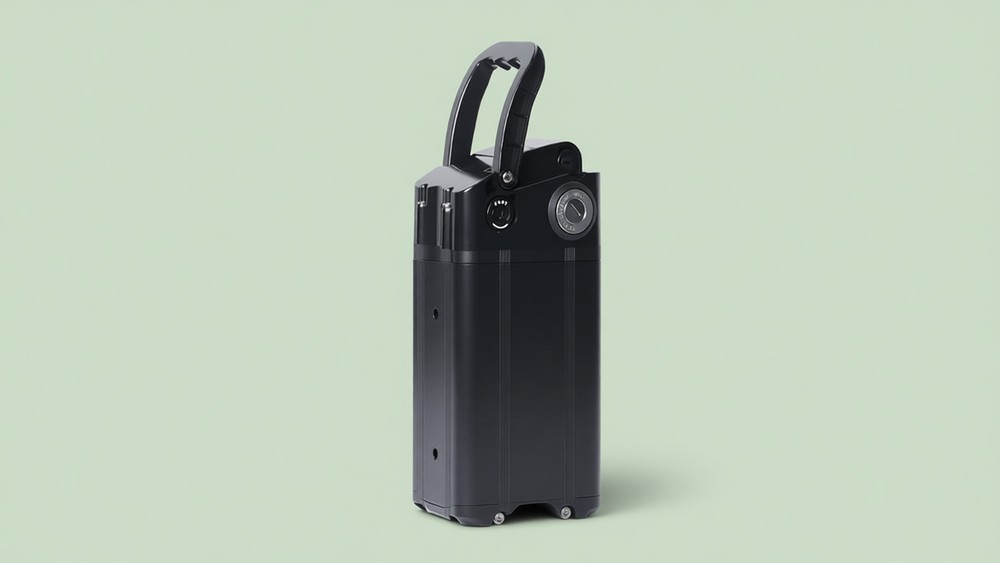
If your bike is not a silver fish machine at all, don't bend your setup to fit this pack. The Varstrom 48V 16Ah rebuild is a reminder of what happens when universal-fitment promises meet real frames: connectors that did not mate, rack mounts that did not line up, and returns as the answer.
What the 30A BMS actually limits
The BMS is the least ambiguous thing on the page. It's rated for 30A continuous, and 30 amps on a 48V system is a 1,440W ceiling.
A 1000W motor drawing flat out pulls about 21 amps, comfortably inside, and a 750W motor sits lower still at around 16. The bullet's own conditions match: a controller rated at or under 30A on a 48V system. For the motors this pack claims to serve, the BMS isn't the bottleneck.
Charging is where the page goes quiet. There's no charger voltage row, no amp rating, no charge-time claim, and no included-components list naming a charger at all. That means nobody can compute an honest charge time from the listing, and it means you should confirm what arrives in the box before you assume anything.
A 48V lithium pack of this kind charges from a 54.6V charger, which is the standard 13-series voltage, but the page's silence about the charger is one more thing to verify on arrival rather than take on faith.
One charging rule doesn't depend on this listing at all. Lithium cells shouldn't be charged below freezing, because charging a cold cell plates metallic lithium inside it and permanently costs capacity. If the bike lives in an unheated shed through winter, bring the pack inside and let it warm up before the charger goes on.
Frequently Asked Questions
Which capacity will I actually receive?
Nobody can promise you from the listing, because the page has shown both 10.6Ah and 13Ah. Check the pack label on arrival and multiply volts by amp-hours. Near 624 means the 13Ah reading, near 509 means the pack our model-number decode describes.
How far will it take me?
Between about 17 and 41 miles depending on which capacity shipped and how you ride, with gentle pedal assist at the top of that span and full throttle at the bottom. Hills, cold, and rider weight all pull the number down.
Will it fit my bike?
Only if your bike takes a silver fish shell with a four-pin discharge interface. The listing names no compatible bikes, so measure your bay against 15.35 by 2.95 by 4.37 inches and confirm the connector before you order.
What charger does it need?
The listing doesn't say, which is itself a finding. A 48V lithium pack of this type charges from a 54.6V charger, but nothing on the page confirms a charger is included or specifies its current. Ask the seller before ordering if the box contents matter to you.
Is zero reviews a dealbreaker?
It's a reason to buy carefully, not a verdict. It means three months of buyers with nothing to say, a three-month warranty, and a listing that has edited its own capacity. Test the pack hard inside the return window and let the label math settle the capacity question.
Who should skip it?
Anyone whose bike takes a modern standard mount, because the same money buys more energy per watt-hour elsewhere on our table. It only makes sense for a silver fish bike whose owner has measured first and is comfortable buying with no owner record behind the listing.