One listing, seven packs, and a record that skips this one
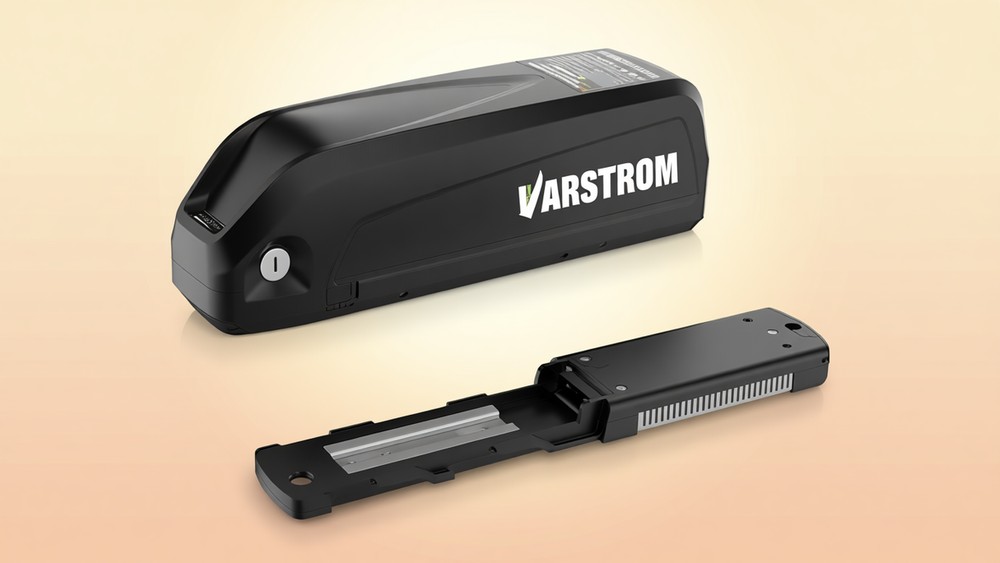
This 48V 30Ah pack sits on one page with six siblings, because Varstrom sells seven capacities on a single listing, from a 36V 15.6Ah shark pack up to this 48V 30Ah rectangle. The 30Ah is the biggest 48V option of the seven, and it checked out at 209.93 with a counter showing only five left in stock. Six-month financing is offered at about 35 a month. At 1440 watt-hours, that price works out to about 14.6 cents per watt-hour, which puts it in the cheapest fifth of the 301 batteries we track. You can check that position any time on the battery comparison table.
The 15.6 by 3.7 by 6.1 inch case is longer than any capacity in the family except the 18.7-inch rear-rack pack, so it won't fit a standard frame triangle on most bikes.
While the page shows a perfect five-star rating from six buyers, none of the four written comments actually describe this specific 30Ah variant because two talk about 52V models and the others are just one-liners.
Since the listing leaves out the weight, the cell brand, and any waterproof rating, what you know about this pack before ordering is close to what the spec bullets say, and that is a short list.
The 40A BMS is the spec the old listings hid
While the standard Varstrom series uses a 30A limit for smaller motors, this specific 30Ah pack includes a 40A BMS that can handle up to 2000W of output. Even though the label has a typo and calls it a BMA, the math shows that 40 amps at 48V provides about 1920W of continuous power. The printed 2000W ceiling sits just above that figure, so treat it as rounding in the marketing copy rather than a working number. Over the common 0-1000W motor window you have large headroom, so the electronics won't strain on a typical build.
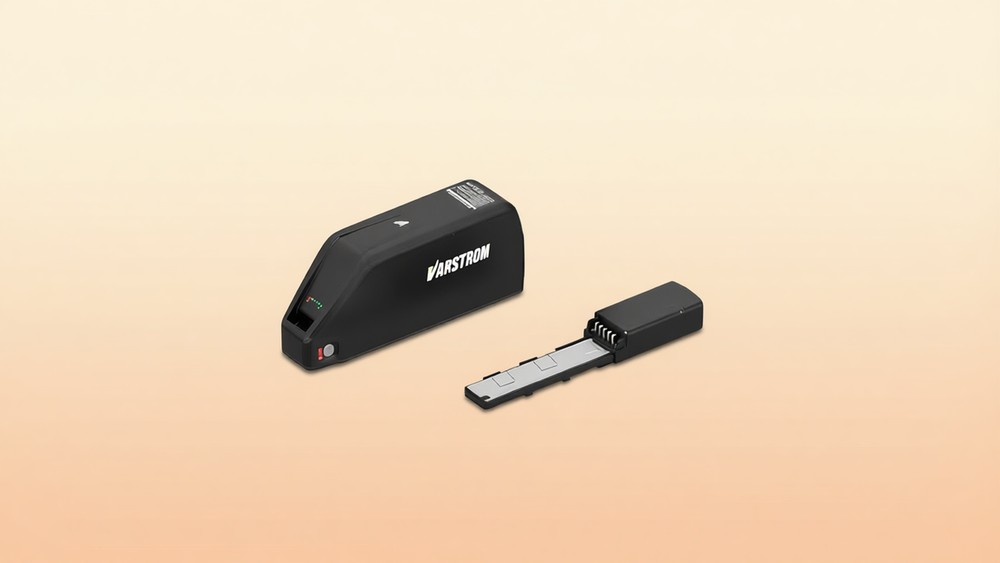
The battery uses an XT60 discharge connector, and the seller suggests a simple rewire if you need to adapt it to a different controller. You get a lock and key for security, along with a light that shows how much charge is left. The pack claims to be UN38.3 certified, which helps with shipping, but it doesn't tell you much about the actual cells inside.
Six ratings, four texts, none of them about this pack
This record shows six global ratings that are all five stars, but since none of the four written texts actually mention this specific 1440Wh pack, the happy histogram might be misleading. One reviewer bought the 52V 25Ah version for a Ridstar, while another owner used a 52V 20Ah pack on a mid-drive recumbent. The remaining comments are very short.
Because the two ratings without text could belong to any variant in the family, we can't be sure if a single person has actually tested this 30Ah battery. This lack of feedback leaves a gap in what we know about how the pack performs in the real world during a ride.
Sibling packs document a sleep-mode trap where the battery stays dead until a charger wakes it, and the 48V 20Ah and 52V 20Ah siblings both carry owner reports of it. This page shows no critical ratings at all, so the record neither confirms nor clears the family trait.
Range you can compute, from a pack nobody has measured
The value case was made up front, and the range question is where 1440Wh starts to earn it. Since no one has measured this specific variant, the only honest tool is arithmetic on the capacity. At the ebikes.ca bands, you might get between 112 and 149 miles on minimal assist, while power-hungry riding might drop that to 45 or 64 miles. Typical assist riding, motor on all the time at around 40 km/h with pedalling, lands between those bands at roughly 75 to 99 miles.
One owner of a smaller 1040Wh pack on a heavy recumbent got 40 miles, which shows the math is sane. That 1040Wh pack covering 40 miles works out to about 26 watt-hours per mile, power-hungry riding on a heavy machine, and the same figure applied to 1440Wh lands near 55 miles. The figure belongs to the smaller pack, so treat it as a sanity check on the bands, not a report on this one.
Because the charger amperage isn't listed, the honest arithmetic runs on assumptions. The sibling 30Ah Varstrom listing names a 2A charger, which puts a full 30Ah recharge near 15 hours, or about 10 hours on a 3A unit. Whatever ships in the box, an empty pack is an overnight job.
The claim of 1000 cycles is hard to verify since ordinary lithium-ion packs usually last 300 to 500 full cycles according to Battery University, and there are no long-term reports yet.
Measure the rack before you click buy
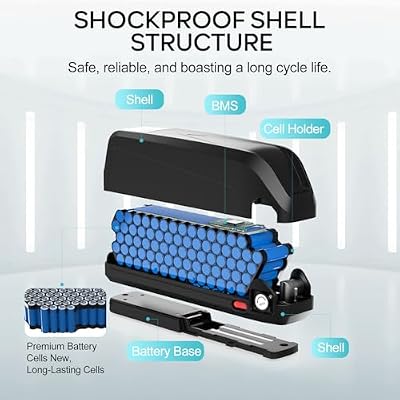
Because this case measures 15.6 inches long, it won't fit inside a standard frame triangle or a common cradle, so you'll need to use the included plate with a custom rack. You should measure your gear before you buy this, because the size isn't a drop-in fit. The listing leaves out the weight entirely, which makes it hard to know how much your rack can handle, and a case carrying 1440Wh of cells is not a light object regardless of what the scale would say.
Riders who want the most energy for your money on a modest build, and already have a mounting plan ready, might find this pack works for them. The 40A BMS also makes it a fit for higher-draw motors than most replacement packs will tolerate.
Since there are no owner records to vouch for how this battery performs, you're betting that the specs are true while you wait for the first review to arrive. People who need a proven history before spending should look elsewhere for something else. You must run a capacity test before the return window closes, because that is the only way to know what you actually received.
Anyone who is sensitive to weight or wants a simple install that works without extra work should skip this listing because it's just too bulky for most frames. This battery is for those who can build their own brackets to hold a pack this size.
Frequently Asked Questions
Does the battery come with a charger?
The package includes a compatible battery charger along with the mounting plate and a security key to get you started immediately. While the amperage isn't listed, a 2A charger would likely take about 15 hours to reach a full charge from empty, or about 10 hours on a 3A unit.
Will it fit inside my frame triangle?
This specific pack measures 15.6 by 3.7 by 6.1 inches, which is too large for most standard frame triangles or shark cradles. You should measure your space and plan to use a rack or custom bracket to secure it properly.
Can it really run a 2000W motor?
The 40A BMS supports about 1920W of output, which sits marginally below the printed 2000W claim in the listing. It provides plenty of headroom for any motor operating within the common 1000W range without straining.
What range should I plan around?
Based on the 1440Wh capacity, you can expect between 112 and 149 miles at minimal assist or 45 to 64 miles for power-hungry riding. These estimates follow standard energy bands since no owner has provided specific data for this pack.
Is the 1000-cycle claim trustworthy?
There is currently no owner evidence to confirm the 1000-cycle life, as ordinary lithium-ion packs typically see 300 to 500 full cycles before fading. You should meter the performance of the pack inside the return window to see how it holds up over time.