Upgrading from 48V to 52V is one of those changes that sounds like a simple step up and isn't. The pack costs more, the charger changes, and the controller that ran your old 48V battery happily may not be ready for what a full 52V charge does to it.
The Varstrom 52V 20Ah ships with a 30A BMS, an included 58.8V charger, and a title that promises a waterproof case while the page itself never names an IP rating. One of its own buyers puts that differently. Another one found that the pack refuses to wake up without a charger, and that review is the most-endorsed text on the page.
This review walks through the voltage check that decides everything, what twelve purchase-confirmed buyers have actually reported, and the claims on the title that the record can and cannot back up. The specs box above tracks the live price per watt-hour, and the words below carry the rest.
The Varstrom 52V 20Ah is a 1040Wh pack with a 30A BMS and an included 58.8V charger, priced close to the middle of everything we track per watt-hour. The voltage arithmetic and the charge-time claim both check out. The title's waterproof promise does not, and one owner says so directly.
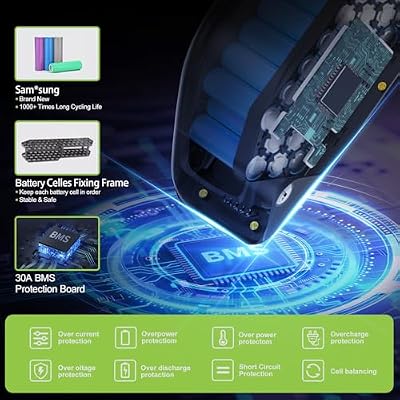
A waterproof title with no IP code
The listing calls the case waterproof, but you will not find a single IP code anywhere on the page. It also carries a hedge that reads oddly on a 52V pack: please confirm your device voltage is 48V or 52V. Neither line tells you what the case actually survives, and together they signal how much proofreading the listing got.
You get the 58.8V charger named in the title, an Only 5 left counter when checked, and a spec table that splits the warranty three ways: 30 days to return, 365 days for repair or replace, and a lifetime tech guideness service, typo included.
The spec the listing never names is a communication protocol, and it decides whether a display can talk to the pack's BMS at all. One owner reports the pack speaks UART, not CAN. That is a question to ask the seller before you pay, not after.
58.8 Volts Is the Number a 48V Buyer Must Check
52 times 20 is 1040Wh, and the 14S layout behind the 52V label peaks at 58.8V full charge. The included charger's 58.8V output confirms that reading: a 48V 13S pack tops out at 54.6V, and a 48V charger would never fill this one.
The cutoff check matters more than the peak. A controller set for a 48V pack cuts at roughly 39 to 41V, but a 52V pack should not be drained below about 43 to 45V. Run this pack on a strict 48V controller and the bike can over-discharge the cells while the gauge still shows charge.
Most 48V controllers carry 63V-rated capacitors, so the 58.8V peak itself usually does no harm, though the percentage readout can sit wrong for a long stretch of the discharge.
Power headroom is real: 30A at 52V works out near 1560W, comfortably over the 0-1000W motor window in the title. Charging is 20Ah on a 3A charger, about 6.7 hours, which matches the listing's 6-7 hour claim.
Twelve buyers, one loud warning
Twelve written texts, and every one carries purchase confirmation, which is rare here. The most-endorsed text on the page is the negative one: the June one-star sleep-mode report, four helpful votes, describing a pack that will not wake up until it meets a charger again. The 48V Varstrom sibling has the same documented trap, so it looks like a family trait.
The positive record is real but thin on numbers. One owner has stressed the pack across 150 miles on a Bafang BBSHD, 83 of them hard mountain trails, with a 26-mile throttle-only ride as the deepest single run. Another buyer credits it with ending power dips on an Amyet S8.
A third praises how quickly the seller responds, and the December text discloses the UART detail.
The October two-star's complaint, more like 20ah not 30, does not match the listing's own 20Ah spec, so it reads as a buyer who ordered the wrong capacity.
The May five-star carries the sharpest line on the page: a warning that the case is not waterproof and that water can pool in the shell when it is mounted upside down. The title's Waterproof Case and that owner's warning cannot both be right.
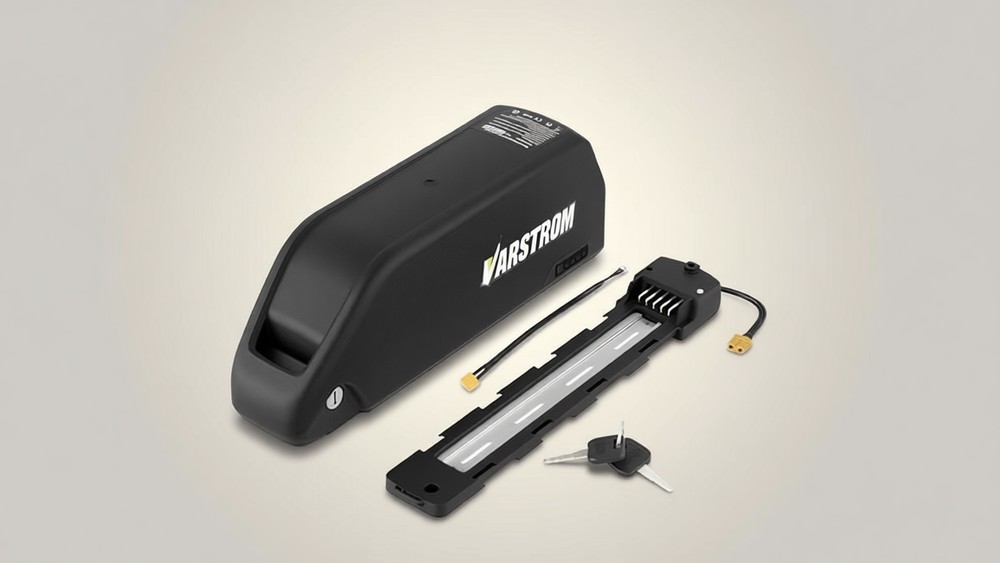
Range you can compute, range nobody has measured
Range is arithmetic here, because the record holds exactly one owner figure. At the usual 15 to 25 watt-hours per mile, 1040Wh works out to roughly 42 to 69 assisted miles. Throttle-only riding closer to 25 to 30 watt-hours per mile lands near 35 to 41 miles, which makes the one report, 26 miles throttle-only on a BBSHD with no rest for the pack, entirely consistent.
An em3ev guide puts a 20Ah 52V pack at 35 to 50 miles with moderate pedaling, the same neighborhood.
The 1000-plus cycle and 80 percent retention claim has no owner evidence behind a ten-month-old record, and nobody can see inside the case to check the no-recycled-cells promise.
What actually moves cycle life is charging habit: stopping daily at 80 to 90 percent, about 56 to 57V, roughly doubles it by em3ev's numbers. On value this pack sits close to the middle of the field per watt-hour, and the live table shows the exact position.
Verify the voltage chain before you click buy
This is a pack for a buyer whose three voltage questions already have answers. The controller tolerates a 58.8V peak and cuts no lower than about 43V. The charger is 58.8V and nothing else.
The display speaks UART, or the buyer is ready to adapt. The record shows who it suits: a BBSHD owner who rides hard, an Amyet S8 owner chasing power dips, a dual-drive Keteles owner. The listing answers none of those three questions itself, so ask the seller.
Who should keep looking: a strict-48V controller, a system that expects CAN, anyone who needs a genuinely submersible case, and anyone who cannot guarantee the pack stays upright in its bracket. Meter the capacity inside the 30-day return window, because that is the only test that matters before the return door closes.
Frequently Asked Questions
Can I use this 52V battery on my 48V bike?
Usually yes, with one catch. Most 48V controllers carry 63V-rated capacitors, so the 58.8V full charge does no harm to the hardware.
The risk sits at the bottom of the discharge: a controller set for a 48V pack cuts at 39 to 41V, below where a 52V pack should sit, so the bike can over-drain the cells while the gauge still shows charge. Watch the voltage directly, or set the cutoff if your display allows it.
Is this battery actually waterproof?
The title says Waterproof Case and the page names no IP code anywhere. One owner states outright that it is not waterproof and that water pools in the shell when it is mounted upside down. Treat it as a rain-tolerant case that must sit upright, not a submersible one.
How much range should I expect?
Plan around 42 to 69 assisted miles at 15 to 25 watt-hours per mile, or 35 to 41 throttle-only. The only owner number on the page, 26 miles throttle-only on a BBSHD, fits the throttle math. Nobody has reported a moderate-pedaling figure yet.
Will this battery work with my display?
One buyer reports the pack communicates over UART, not CAN, and the listing never mentions a protocol. If your system expects CAN, the display may not read the pack correctly. Ask the seller before ordering.
What does the warranty actually cover?
Three layers: 30 days to return, 365 days for repair or replace, and lifetime technical guidance. The return window is the part with teeth, so run a full capacity check inside it.