A modular helmet is the compromise pick. You get a full-face shell for the ride and a chin bar that lifts for the fuel stop, and the price of that hinge is usually weight and a weaker seal than a true full face.
The Typhoon TH158 sits at the cheapest end of that compromise. Around 80 at check, it promises a DOT shell, a built-in sun shade, and an exchange policy that sounds generous.
The buyer record is where the compromise shows. It is a long record, close to 900 ratings stretching back to 2020, and the written part says less about crashes than it does about sizes, returns, and the flip mechanism that makes a modular a modular.
I went through the whole written record, sorted the sizing reports from the return stories, and checked the listing's own claims against its spec table. What follows is what the record supports and what it does not.
The Typhoon TH158 modular helmet holds a 4.6 average across 903 ratings, and most buyers clearly got what they paid for.
The pattern inside the rest of the record is a size chart that misses in both directions, a return process with costs the listing buries in fine print, and a vent count that does not match the copy. You can see where it sits on price in the motorcycle helmet comparison table, which tracks 257 helmets.
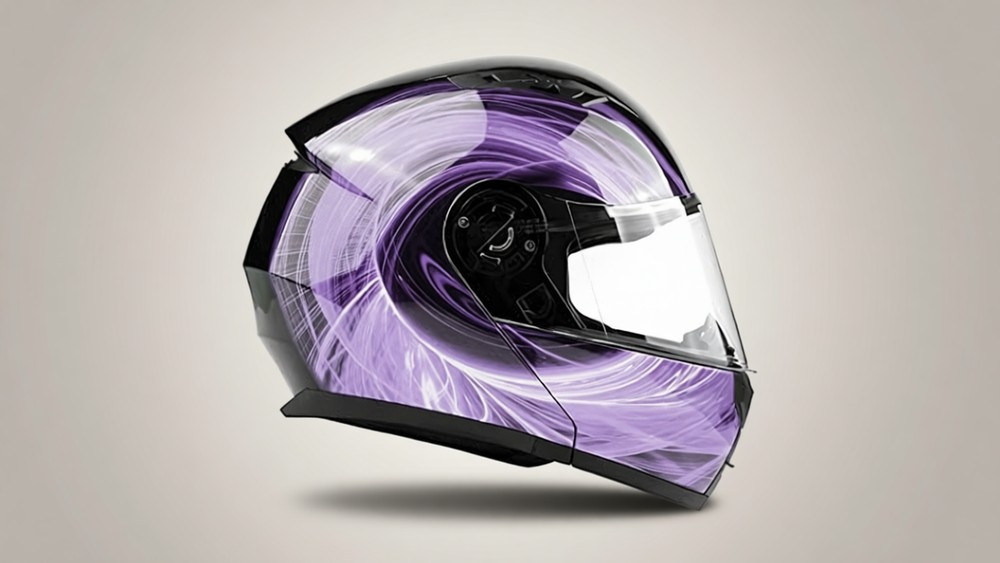
The size chart fails in both directions
Budget helmet records usually lean one way. Either the shell runs small and everyone sizes up, or it runs large and everyone sizes down. This record argues with itself, which is a worse problem to have.
One buyer followed the chart exactly, landed on a small or extra small for their daughter, and got a helmet that was way too tight. Their account says it plainly in capital letters, these helmets run small, and counts the damage: about 20 out to receive it and 10 to send it back.
Another buyer, years earlier, ordered off the same chart and found the helmet much larger than it promised. A third took two attempts, with the first size wrong and the second size shipping with a cracked lens.
So the chart failed a chart-follower in both directions, and the listing's own advice, measure first and order by the numbers, did not save either of them. Against that, several buyers report a snug fit they are happy with, including one who bought three of them in different colors for family members.
The practical read is to treat the chart as a starting point, not an answer. If your head measurement sits near a size boundary, this shell has failed buyers on both sides of that line, and you should price the return before you order, because the return process is where the next problem starts.
What the return actually costs
The listing's exchange bullet reads well. Send the helmet back at your expense and the exchanged size ships free, which is more than most marketplace sellers offer.
The record tells you what that policy costs in practice. One buyer was charged a restocking fee on top of return shipping. Another was refused a refund outright on a helmet they called bad.
Two more were told the only path was shipping the helmet back at their own cost for repair, one of whom priced it out and found the shipping roughly equaled the value of the fix.
The sharpest return story comes from the sizing case above. That buyer says Amazon itself showed no exchange option on the order, only a paid return, which cuts directly against the listing's promise of a free-shipping exchange. The seller's exchange route may still work if you contact them directly, but the marketplace path the buyer actually used did not offer it.
None of this changes the helmet itself. It changes the price of being wrong about the fit, which the section above says is a real risk. A cheap helmet with an expensive return path is not a cheap helmet if the size misses.
What owners praise, and what the deep text adds
The praise side of the record is consistent about the sun shade. The most detailed positive text, which other buyers have voted on heavily, describes the built-in shade working well, fogging only while stopped on a cold day and clearing within seconds of moving again.
That same owner adds a detail you will not find in any listing: the helmet cut engine noise down while still letting them hear music, a radio, and the sounds around them. That is the balance you actually want from a quiet helmet, and no bullet copy claims it.
A repeat buyer who has owned three of these calls the durability golden, reports only mild fogging, and wishes the strap tightened a bit further. Another praises the padding quality against the price and confirms a Bluetooth headset fits inside without modification, which matters if you plan to add comms later instead of paying for an integrated system up front.
The one unverified five-star text is a crash account. A rider describes going down at 35 mph, walking away with a broken wrist and bruises while the helmet took chips and scrapes. It is the only crash account on the praise side of the record, it carries no purchase badge, and one text cannot carry a safety verdict, but it is at least consistent with the DOT certification the shell carries.
The record holds a darker unverified account with a similar shape. A rider reports the strap breaking and the helmet coming off just before a get-off at about 50 mph, leaving them on the ground without head contact and calling the helmet garbage in the same breath.
Two unverified crash stories pointing in opposite directions means the crash texts tell you nothing either way, which is itself worth knowing before you buy.
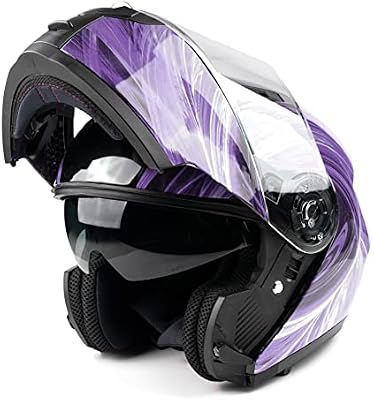
The chin bar, and what DOT does not test
The mechanism that makes this a modular shows up in the negatives more than the positives. One owner's chin piece started falling into place unexpectedly on the first ride and got worse the second day. Another reports the flip-up lid failing after a handful of uses, with the sun-visor switch broken alongside it.
A third critic comes to the record after two decades on a premium brand and calls the shell screeching and unstable over 45 mph, with a visor catch so tight it needed filing down to open one-handed. That text is unverified, but it matches the wind-noise complaints elsewhere in the record.
Here is the category context worth knowing before you buy any budget modular, this one included.
DOT certification is a self-certification standard, meaning the maker certifies its own helmet and no government agency pre-tests it. More to the point, the DOT standard does not require chin bar testing on modular helmets at all.
European ECE 22.05 certification splits modulars into chin-bar-tested and non-tested variants, and no wide scientific study has assessed how well pivoting chin bars hold up. That gap is documented in the DOT and ECE standards summary on Wikipedia, and it applies to every flip-up helmet at this price, not only this one.
None of that means this chin bar fails. It means the certification on the box does not answer the question a modular buyer is actually asking, and the record's three mechanism failure reports are the only evidence available either way. Ride it closed, the way the category guidance suggests.
Two vents against the channel promise
The listing's first bullet promises an advanced front flow ventilation system with channels for maximum venting. The spec table a few inches down counts the vents: 2.
Two vents is not a channel system, and the record backs the smaller number. One owner reports a leak, wind finding a way in and making winter rides colder than they wanted. One reports the eye shield fogging fast even with the vents open.
Two more complain about wind noise, one of whom tried adding foam around the edges and gave up.
For contrast, the deep positive text above reports fog only while stopped, clearing within seconds of moving, so this is not a unanimous failure. But the pattern, a copy claim the spec table contradicts and three to four owner reports of air where air should not be, means you should expect the ventilation to feel like what it is, two holes, not a system.
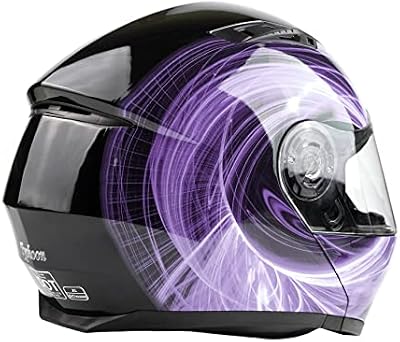
FAQ: the DOT row a facility backs, the exchange the order flow drops and the passenger-lid buyer it suits
Is the Typhoon TH158 DOT certified?
The spec table carries a DOT certificate row, and the brand states it tests at an independent facility on top of the self-certification requirement. Remember that DOT is self-certification, so the claim is the manufacturer's own, and the chin bar on any DOT modular is untested by the standard itself.
Does the TH158 run small or large?
Both, according to its own record. One chart-follower got a helmet far too tight, another got one much larger than the chart promised. If your measurement sits near a boundary, assume the chart can miss in either direction and check the return cost first.
Can I exchange it for a different size?
The listing promises an exchange where you pay return shipping and the new size ships free. One buyer reports the Amazon order flow offered no exchange at all, only a paid return, and another reports a restocking fee. Contact the seller directly rather than relying on the marketplace return flow.
Who should buy this helmet?
A rider who wants a second helmet or a passenger lid at a low price, rides with the chin bar closed, and keeps the size expectation modest. If this is your only helmet, or your head sits near a size boundary, the return math in the record says the cheap price can get expensive fast.
If the budget can stretch, our LS2 Strobe II modular helmet review covers a flip-up with a longer record at a higher price, and the WESTT modular helmet review covers another budget entry with a much larger rating pool.
One last note on where it sits in the market. On our price tracking it lands in the cheaper third of everything we follow, and at that band the record's 4.6 average is genuinely strong. The failures it does have, fit misses, return friction, mechanism faults, are the failure modes its price band predicts, and knowing them before you order is most of the protection available.