The German style half helmet is the cheapest way onto a motorcycle wearing almost nothing on your head, and that is exactly the problem with buying one. The cheapest shells in this corner of the market all claim the same certifications in the same broken English, the review counts run small, and you can't tell from the photos whether the shell will stay put at the speeds you actually ride.
So I went through the live listing of one of the highest-volume shells in the category, along with every written review its record carries, to find out what the money buys and where the ceiling sits.
The SanQing German style half helmet is one of the least expensive shells in our helmet comparison table, it weighs 1.3 pounds, and it looks right on a cruiser or a scooter. It's also a city-speed helmet, and the record says so three separate times, which is more than most listings at this price will ever tell you.
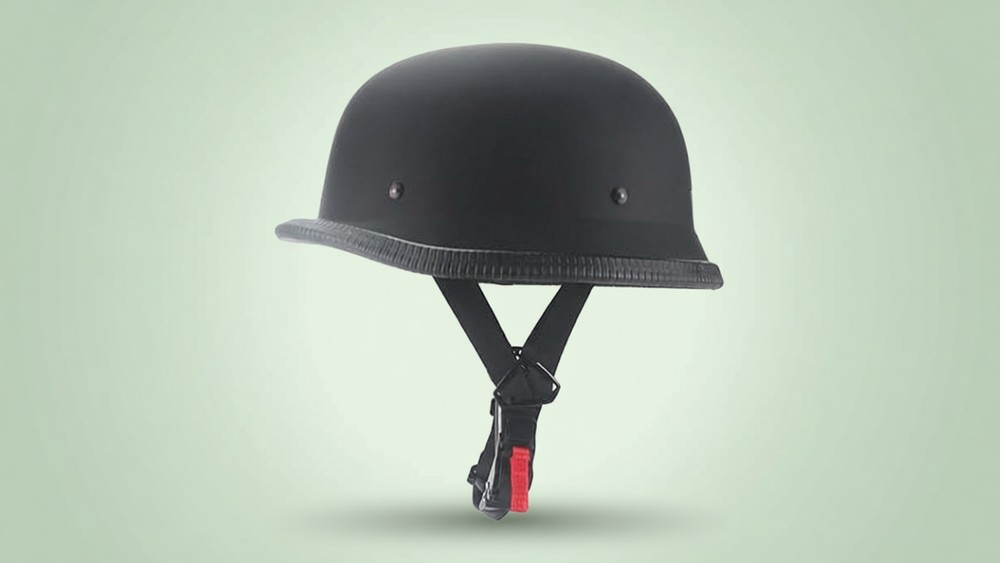
Three owners hit the same ceiling near highway speed
The most useful text in the record comes from a rider who cut the chin cup off before the first fitting and then found the limit on the freeway.
At 75 miles per hour the helmet wants to lift off the head unless the strap is cranked down hard, and that owner still rates it one notch below the top because the shape avoids the mushroom-head look and sits well otherwise. Two more texts land on the same finding without knowing about each other.
One full-face convert reports the adjustment straps working loose at higher speeds from wind drag, and one shorter text mentions a possible lift at high speeds and little more. No text in the record reports lift around town.
Put the three accounts next to the shape of the helmet and they stop being coincidences. A half shell is the helmet variant that leaves the chin and face uncovered, and Wikipedia's motorcycle helmet article describes that split as the main division in the category. There's no chin bar to smooth the airflow, so the wind finds the front edge of the shell and pushes.
The physics won't bother a rider at town speeds, and none of the eleven texts says it does. The ceiling arrives when the speed does.
One owner has put the whole trade bluntly in the record. In their words, the only difference between a half shell and a full face is an open casket or a closer one, and they bought the half shell anyway with their eyes open.
I wouldn't phrase the decision that grimly, but the account is the honest version of what this style is: a styling choice with a known coverage gap that you accept on purpose.
A young record with no votes in it
Eleven texts carry written words in this record, and every one of them carries Amazon's purchase badge. That's a cleaner record than most budget helmets get, where the five-star pile is usually padded with unbadged text. What the record does not have is any ranking signal at all.
Not one of the eleven texts has collected a single helpful vote, so there is no most-voted account to anchor on, and I have weighted the two four-star speed accounts and the three-star hardware failure by their detail instead.
The record is also young. The oldest captured text is from March 2026, so nothing in it can speak to how the shell, the liner, or the strap holds up across years of sun and sweat. No text describes a crash.
No text mentions wind noise at any speed, long-term comfort, or whether the certification label inside the shell matches what the listing claims. The one hardware failure in the record is a clip that broke off during the first strap adjustment on a replacement unit, which is one account, and it sits against a bullet that promises the adjustment hardware is well made.
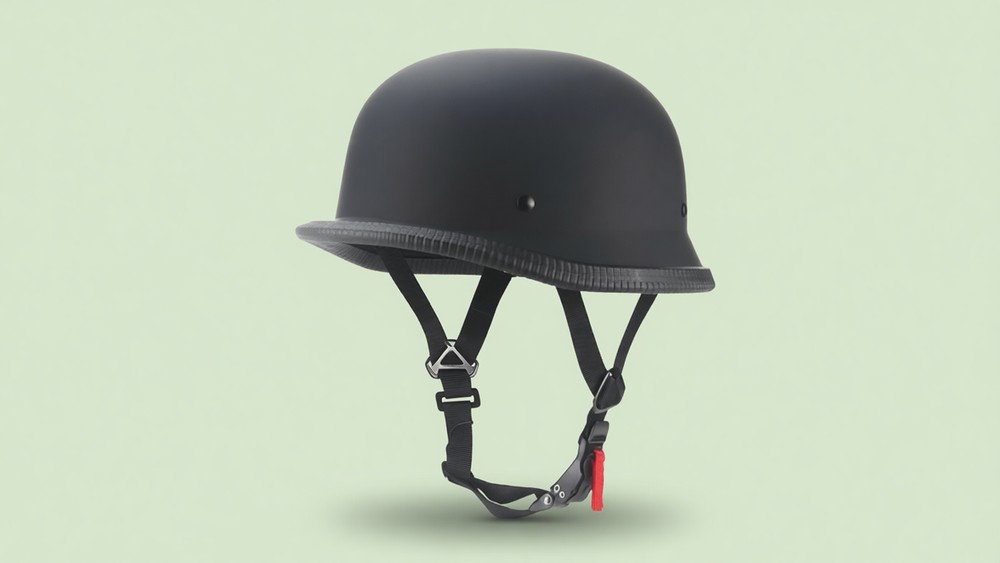
The certification bullet names one standard twice
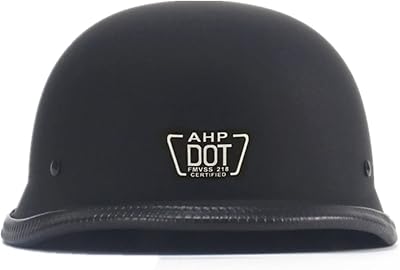
Here is the bullet, word for word: it claims the helmet "Meets or Exceeds FMVSS-218, DOT, and ECE-2205 Safety Standards." That sentence sounds like three separate approvals, and it isn't. FMVSS 218 is the DOT motorcycle helmet standard in the United States, so the bullet names one standard twice, and the United States system works by manufacturer self-certification rather than by independent testing.
The third item is written wrong as well, because the UN standard is properly ECE 22.05, not ECE-2205. Sloppy standards wording is common at the bottom of this market, and it doesn't prove anything bad, but it is a reason to check the label stitched inside the shell when the helmet arrives rather than a reason to trust the bullet.
The warranty row gives nothing to fall back on either. Where a term would go, the listing shows a bare slash, so there's no stated warranty period at all. Combine that with a clip failure in the record and the practical advice writes itself: check the fit and the buckle in the first days you own the helmet, while a return is still easy.
Order by the live chart, not the old listings
The live spec table gives head circumference in inches, and the bullet repeats the same chart in centimetres, with the two agreeing: Medium 21.7 to 22.1 inches, Large 22.4 to 22.8, X-Large 22.8 to 23.2, and XX-Large 23.2 to 23.6. Older copies of this listing carried different X-Large and XX-Large rows, so measure your head with a tape and read the chart above rather than trusting a screenshot or a saved page.
The bullet adds its own warning that the fit runs small, and one buyer in the record ordered the wrong size and had to send it back. That is the whole sizing story the record supports so far, and it is thinner than I'd like, which is normal for a record this young.
What 1.3 pounds buys at the bottom of the table
The listing's own comparison table lines up five SanQing helmets, and this one is the lightest and the cheapest of them at 600 grams on that table's own rows. The siblings cost more for more hardware: a version with a retractable inner sun shade lists higher, and a 3/4 helmet with a chin coverage option lists higher again, and their rating counts run from a few dozen to about nine hundred.
The shell also sells under a second SanQing listing with the same WLT-307 model number and the same rating pool, and our separate SanQing half helmet review covers that twin listing with its own angle on the lift and the buckle.
On our own numbers this shell sits in the cheapest fifth of the 257 helmets we track, and the specs box under the comparison table renders the exact live position, so you don't have to take my word for the band. The value case is real: a light ABS shell, the look, a clean purchase-badged record, and a price at the bottom of the field.
The price is also why the ceiling exists, and I'd spend the difference on the sun-shade sibling before I'd ride this one on a freeway commute.
Frequently Asked Questions
Is the SanQing half helmet really DOT approved?
The bullet claims FMVSS-218 and DOT compliance, which are the same standard named twice, plus a misspelled ECE reference. United States certification works by self-certification, so check the label inside the shell when yours arrives and treat the listing wording as a prompt to verify, not as proof.
What size should I order?
Measure your head circumference and read the live chart: Medium 21.7 to 22.1 inches, Large 22.4 to 22.8, X-Large 22.8 to 23.2, XX-Large 23.2 to 23.6. The listing warns the fit runs small, and one buyer ordered wrong and returned the helmet.
Can I ride highway speeds with it?
Three of the eleven written reviews report lift or loosening straps near highway speed, one measured at 75 miles per hour. Nothing in the record reports a problem at city speeds. Treat it as a town and backroad shell.
Does it have a sun visor or speakers?
Nothing in the listing or the record mentions a drop-down visor or built-in audio for this version. The listing's comparison table shows a SanQing sibling with a retractable inner shade at a higher price, and no written review in this record covers that one.
What warranty does it carry?
The warranty row on the listing is a bare slash with no stated term, so plan as if there is none. Check the buckle and the fit early, while a return costs you nothing but the shipping.
The SanQing German style half helmet on Amazon carries the current price and color options. Buy it for town speeds, size from the live chart, and put the freeway ceiling next to the price before you decide.