A 409.95 helmet communicator with two ratings and a two-word review is not a product page with thin evidence. It is a product page with no evidence, and the interesting question is not what the hardware does. It is whether a shopper can work out what they are actually buying from the paperwork, and where the real record lives.
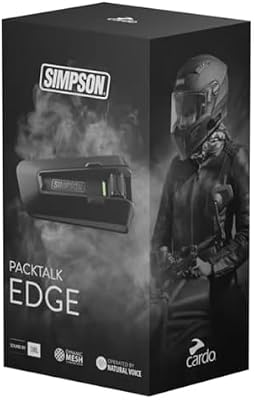
The Simpson CSPT0001 Packtalk Edge carries Cardo's product name in its title and Cardo's feature copy in its bullets, then files itself under Simpson Motorcycle with a model name that reads like a parts catalog typo. One purchase-badged owner has left two words since October 2025. The stock counter reads one, the sales rank sits deep in its category, and the seller is neither brand on the box.
This page walks the paperwork, decodes what the spec table gets wrong about the hardware it describes, and follows the evidence to where it actually exists: the Cardo-branded twin that sells the same platform under its own name, which we have reviewed in full.
A two-word record on a four-hundred-dollar device
The record is short enough to quote in full. Two ratings, 5.0 from 2 as printed. One written text, dated October 2025, carrying Amazon's purchase badge, and reading, entire, "Good product". The helpful sort returns the same single text, so there is no second page of record to check.
What can a buyer do with that? Nothing, directly. No text covers the mount, the speakers, the battery, the mesh link, or pairing. Nobody has described a ride. A five-star average built on two ratings, one of them wordless, has no more weight than the counter it sits on.
The de-risk path is the one this page takes. The platform this listing sells, Cardo's Packtalk Edge, is sold under Cardo's own name on its own listing, with a record of thousands of ratings behind it, and we have reviewed that hardware separately. The questions a 400-dollar purchase deserves, how the mesh behaves, how the Air Mount holds, what the battery does across a season, are answered on the platform, not on this badge. Buy this ASIN for the Simpson branding. Read the Cardo review for the hardware.
The co-brand decode: Cardo platform, Simpson paperwork
The mismatch starts at the top. The title names the Packtalk Edge, which is Cardo's flagship platform, and the bullets copy Cardo's language directly: up to 15 riders, Bluetooth 5.2 or Cardo's proprietary Dynamic Mesh, second-generation mesh, the Air Mount magnetic mount. Then the spec table changes subject. Brand reads Simpson Motorcycle. Model Name reads JEGS, which is a mail-order performance parts retailer, not a model of anything. No row on the page mentions Cardo at all.
The numbers around the model name add a little structure. Model Number reads 850-CSPT0001, the manufacturer part number reads CSPT0001, and the generation row says 2, which matches the second-generation mesh the bullets describe. The seller on the buy box is Marter Trading, which is neither Simpson nor Cardo.
What does the mismatch cost a buyer? Two things worth naming. Warranty questions route to whichever brand the paperwork supports, and this paperwork supports Simpson, while the platform's own support network lives with Cardo. And firmware questions, whether this headset receives the same app support and updates as the Cardo-branded unit, cannot be answered from a listing at all. If those answers matter, they are worth getting from the seller before the one remaining unit is gone.
What the spec table gets wrong about the hardware
The rows read like they were filled from a different product. Noise Control reads None, on a flagship intercom platform whose audio is the main reason anyone pays this price. Water Resistance reads Waterproof with no IP code attached, and Cardo's own listing of the same platform names no code either, so the rating rests on the maker's word on both pages. Bluetooth Range reads 1 miles, a grammar slip that also names the wrong link: 1 mile is the rider-to-rider mesh figure from the bullets, and the Bluetooth radio between headset and phone works at tens of meters.
Item Weight reads 1.25 pounds. A helmet communication unit weighs a few ounces. A pound and a quarter reads like boxed shipping weight presented as product weight. Control Method reads App and Voice, which omits the on-unit buttons the platform is known for. None of these rows are fatal on their own. Together they say the table was not filled by anyone who held the headset, which is exactly the kind of listing where the questions in the last section matter.
What the price buys: mesh, 15 riders, and the fine print
The hardware story, taken from the bullets, is the platform story. Dynamic Mesh Communications is a mesh network topology: every helmet relays for the others, so the link reconfigures around a rider who drops out instead of losing the riders behind them. That is the technology that separates this price class from the budget two-packs, and it is why the group claim, up to 15 riders and 5 miles of group mesh, can exist at all.
Bluetooth 5.2 remains in the box as the fallback link, and it behaves like any Bluetooth radio: 40 to 400 meters at best with full line of sight, tens of meters in the phone's usual low-power mode. The 1-mile rider-to-rider figure and the 5-mile group figure are mesh numbers: they assume open terrain and continuous relaying, and they are the same open-sky convention every brand in the category prints.
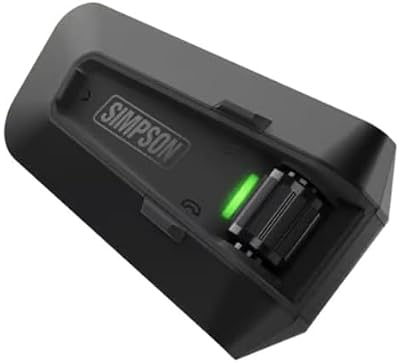
The Air Mount, a magnetic mount that snaps the headset on and off, is the platform's day-to-day convenience feature. All of it is unexercised on this ASIN. Not one owner of this listing has reported the mesh, the mount, or the battery. The platform's record lives on Cardo's own listing, and that is where a buyer should read it.
The badge premium, and where the record actually lives
At 409.95 for a single unit, this listing sits near the top of our intercom comparison table on price per rider, in the band where only the flagship mesh units live. The Cardo-branded Packtalk Edge in our data prices at 395.96. The difference is 13.99, and the only thing it buys is the Simpson name on the packaging.
That arithmetic is the whole decision. If you ride a Simpson helmet and want matched branding on a unit you will touch by feel, the badge premium is small in percentage terms and this is the only way to get it. Everyone else is looking at the same platform, with a record of thousands of ratings instead of one two-word text, for less money. Our Cardo Packtalk Edge review carries that record's detail: the mesh behavior owners have reported, the audio, the mount, and where the platform genuinely earns its price.
One more signal from the page, and it is a weak one but it points the same way. The sales rank reads #1,085,979 in Automotive at large, #214 in the helmet-communication subcategory, with one unit left in stock. A 400-dollar SKU at that rank is not moving. Whether that reflects the co-brand, the price, or simply that Simpson buyers shop elsewhere, the listing itself gives no reason to pay a premium in a hurry.
Frequently asked questions
Is this the same unit Cardo sells as the Packtalk Edge?
The feature set matches the Cardo listing bullet for bullet: 15 riders, second-generation Dynamic Mesh, Bluetooth 5.2, the Air Mount. The title uses Cardo's product name. The paperwork names Simpson and JEGS and never mentions Cardo. We cannot verify the firmware or the warranty chain from a listing, so treat identity as likely but unconfirmed and ask the seller.
Can it pair with Cardo-branded units?
Unverifiable from this page. The mesh claims describe the platform's behavior, but whether the Simpson unit shares the Cardo firmware that cross-brand pairing would need is exactly the kind of question the paperwork mismatch raises. Get it answered before buying.
Is it waterproof?
This listing says Waterproof with no IP code, which names no test. Cardo's twin listing names no code either, so the rating rests on the maker's word on both pages, and this ASIN gives you nothing in writing.
Should I buy with only one review up?
That depends on what you are paying for. If it is the Simpson branding, the platform's record under Cardo's own name is thousands of ratings deep, and the badge premium is 13.99 against our data's price for the twin. If it is the platform, buy the Cardo-branded twin. In neither case does the two-word review tell you anything.
How many riders can it connect?
The bullets claim up to 15 riders over Dynamic Mesh, with a 1-mile rider-to-rider range and up to 5 miles of group mesh. Those are open-terrain figures, printed by every mesh maker in the category, and no owner of this listing has tested any of them.