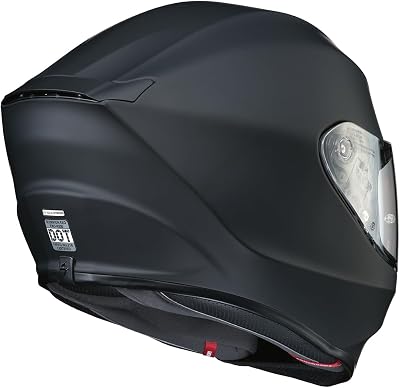
Buying a full-face helmet online means trusting a size chart you cannot feel, and the R330's owner record shows exactly how that trust pays out: three riders, three different fit outcomes, and no way to know which one you will be. That is the ordinary risk of any mail-order helmet. What makes this one worth a close read is everything stacked around it.
ScorpionEXO sells the R330 as its budget-friendly full face, and the listing carries the two features riders usually pay more for, an ECE 22.06 claim and an emergency release system. The owner record agrees the helmet is good and disagrees about little else, because there is little else in it. Ten written texts sit under the listing, every one purchase-backed, and the oldest is about four months old.
Two things in that record deserve attention before you order. One owner's visor fogs, and the listing's own fine print explains why the fix is not in the box. And the page tells two different stories about its own certification, which is the kind of detail worth settling before you spend.
The ScorpionEXO R330 full face helmet is a good helmet with a thin record, sold at 134.95 at the time I checked. The shell and the comfort liner draw no complaints anywhere in the texts, the most-endorsed text is positive, and 4.6 stars sits on 66 ratings.
What the record cannot tell you is whether it will fit your head, because the three texts that speak to fit reach three different conclusions. The listing also argues with itself about certification and buries the one complaint's fix in the vision bullet's fine print.
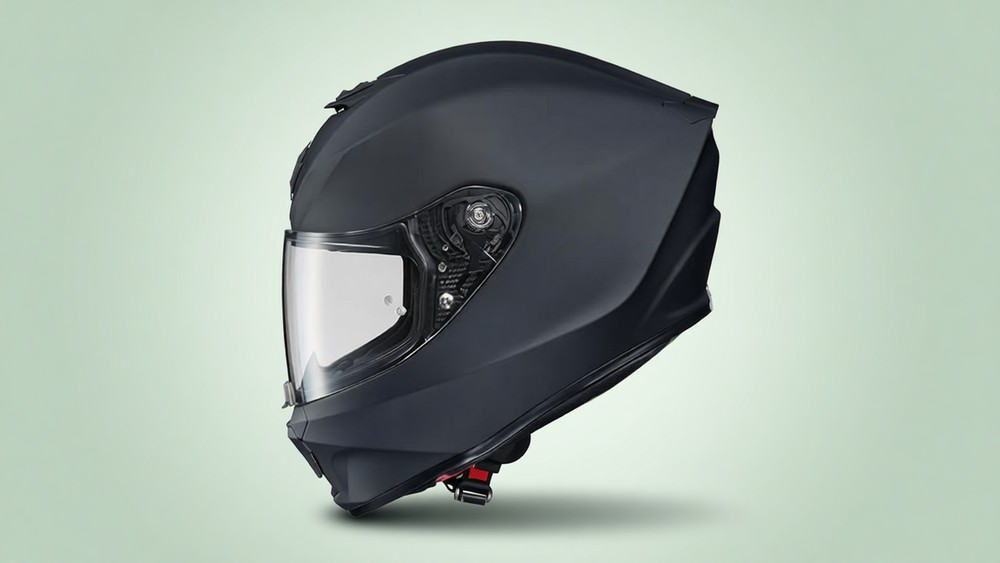
Three riders, three fit outcomes
The sizing evidence is the record's main disagreement, and it is worth reading in full because none of it is contradictory about quality. One owner calls the fit true to size, praises the airflow from the two closable vents, and bought a separate visor to swap onto it. That is the cleanest positive fit report in the ten texts.
The second data point comes from a 4-star text that hedged in both directions. That owner has found the fit just ok, suspects their own head shape may be odd, and still called the helmet worth every penny. They also passed along a claim that their research shows protection equal to helmets two and three times the cost.
That is the owner's reading of outside material, not something the record can confirm, so weigh it as one rider's reasoning rather than a test result.
The third outcome is the one-star. That owner bought two, a Large and an XL, called the sizing way off, and went on to label the helmet junk.
Three texts, three outcomes, and no pattern that a chart resolves. The practical takeaway is not a sizing rule, because the record does not support one. It is to order from a seller with a workable return window and treat the first ride as the fit test.
The fog complaint and the insert that is not in the box
One owner reports the visor fogs up easy and says the helmet was supposed to have an anti-fog visor. That text is the only clear complaint about function in the whole record, and the listing explains most of it two bullet points below the marketing.
The vision bullet states the shield carries an anti-scratch coating and 95 percent AV/UV protection, then adds that Pinlock anti-fog inserts are also available, sold separately.
So the helmet ships with a Pinlock-ready shield, which means the posts are there and the seal is designed for an insert, but the insert itself is an extra purchase. The included-components row confirms it: a clear Pinlock-ready shield, pre-installed, and nothing about an insert. The owner who expected anti-fog out of the box read the feature list the way most people would, and the fine print disagreed with them.
The fix is cheap relative to the helmet, but it is a real cost the price tag does not show. If you ride in cold or humid conditions, price the insert into the total before you order rather than discovering the same way that owner did. Check the current listing for what ships in the box this week, because bundle contents move around.
One page, two certification stories
The certification story is the strangest thing on the page, because the listing carries two versions of it.
The opening bullet claims dual certification, DOT FMVSS No. 218 and ECE 22.06. The spec table's Specification Met row agrees, listing DOT and ECE. Then the Certificate Type row, several lines down, says DOT alone.
A page can claim anything. The check that settles it is physical, and it works the same way on every helmet: look for the E-mark label on the shell itself, because ECE approval is a type approval and the mark rides on the helmet, not the listing. If the mark is there, the bullet's claim is real.
If it is not, you own a DOT helmet, which is the maker's own certification under the same federal standard every legal US helmet meets.
The full-face design itself is the other half of the safety argument, and it is the part no label dispute changes. Studies of motorcycle crashes found that 35 percent showed major impact at the chin-bar area, which is exactly the coverage a full-face adds over an open-face or a half helmet.
Whatever the certification rows say, the shape is the right one for street riding, and the helmet comparison table shows the rest of the class beside it.
What DOT means here
DOT compliance is self-certification. The manufacturer tests against FMVSS 218 and attests to the result, and no independent laboratory checks the sample before the helmet ships. Every helmet legally sold in the US carries it, so it is a floor rather than a differentiator.
What the ECE row would add
ECE 22.06 approval works in the other direction, with samples tested by an independent laboratory before the helmet can carry the E-mark. That is why the missing Certificate Type row matters more than the bullet. The one check that resolves the whole argument costs nothing, and nobody in the owner record mentions the E-mark either way.
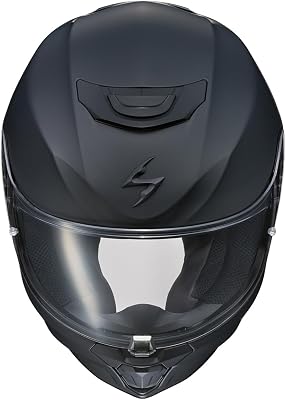
What the record never touches
The gaps in this record are as informative as the texts. No owner mentions wind noise, in either direction, even though the opening bullet claims the shell minimizes drag and wind noise.
On a full-face helmet that is one of the most common things riders report about, and the silence here is not evidence the helmet is quiet. It is evidence the record is too thin to know.
Nobody mentions the speaker pockets the shell advertises for communication systems, the emergency release tabs in the neck roll, or the 5-year warranty.
Nobody has crashed in one. The oldest text is about four months old at the time I scraped, so there is no long-term durability signal at all, and the 4.6 average rests on 66 ratings. Two of the five-star texts are short non-English replies that add little usable detail, which thins the positive record a little further.
The liner draws the only other concrete praise. Owners call the padding comfortable, and the Kwikwick 2 fabric is removable and washable per the listing, which matters more over a season than any single spec on the page. The shell is polycarbonate over an EPS liner, the closure is a ratchet buckle, and the eye port is cut large for peripheral view.
All of that comes from the listing rather than the record, so treat it as what the maker says, backed only by the texts that report no complaints about any of it.
If you want a second opinion on the brand's budget end before committing, our HAX Amatista modular review covers another helmet in the same price band with a record that splits by time of day instead of by fit.
The price band and the weight on the page
At 134.95, this helmet sits close to the middle of the 257 helmets we track. That is a below-average value position for a polycarbonate full-face, and it deserves a plain statement rather than a bargain framing. The dual-certification claim and the emergency release tabs are the features that would justify the number, and one of those two claims is the one the page itself undercuts.
The live position renders in the specs box beside this article, and the table shows what the rest of the full-face class costs before you commit.
The listing's weight row reads 4.5 pounds, which is out of line with what owners report. One text calls the helmet light and one calls it a little on the heavy side, and no owner states a measured weight. A 4.5-pound figure on a full-face helmet is far more likely a shipping weight than the shell on your neck.
The honest summary is that the record contains no weight complaint strong enough to matter, and the page's own number should not be read as the carried weight.
The warranty wording in the spec table is more specific than most: 5 years from date of purchase through manufacture, or 7 years from the manufacture date, whichever comes first. Nobody in the record has used it. The page had the buy box on and no stock warning when I checked, so treat the price as a snapshot the way you would on any listing.
Frequently asked questions
Does the ScorpionEXO R330 come with a Pinlock insert? No. The shield is Pinlock-ready, which means the posts and the seal are there, and the listing states the inserts are sold separately. One owner's fog complaint reads exactly as you would expect an insert-less shield to read in cool, damp riding. Buy the insert alongside the helmet if you ride in that weather.
Does the sizing run true? The record genuinely does not know. One owner reports a true-to-size fit, one found it just ok and suspects their own head shape, and one called the sizing way off after buying two sizes. Order from a seller with a workable return window and let the first wear decide.
Is the ECE 22.06 claim real? The page carries both stories, with the bullet and one spec row claiming DOT and ECE and a second spec row naming only DOT. ECE approval is verifiable on the helmet itself, so look for the E-mark label on the shell when yours arrives. Nobody in the owner record reports checking either way.
Is the R330 quiet at speed? No text in the record mentions noise at all, in either direction, so there is no owner signal on the bullet's wind-noise claim. A quiet-helmet judgment would be invented, and I would rather tell you the record cannot answer it.
What warranty applies? The spec table wording is 5 years from date of purchase through manufacture, or 7 years from the manufacture date, whichever comes first. No owner in the record reports a warranty claim.