Small 36V packs sell to two crowds, DIY builders who need a power source more than a battery, and commuters whose whole route fits inside 300 watt-hours. The RANSYRI 36V 8Ah aimed at both. The recorded box held 288 watt-hours, a 20A protection board, a 42V 2A charger, and two connector types on one pack, at 103. The listing is gone from Amazon now, confirmed gone again on November 1, 2026.
This rebuild has a problem the other dead-listing rebuilds do not, and it is worth stating before anything else. This review slug has described two different RANSYRI packs during its life, and the evidence that would settle which one a buyer actually received disappeared with the listing. The sections below lay out both records, then rebuild everything we can from the spec box of the pack this URL is assigned to.
Two Packs, One Slug
The original version of this review, from March 2026, covered a compact 7.6-inch power pack under the ASIN B0DZ5HB7ZY. That pack recorded 4.4 stars from 41 ratings, a 77 percent five-star share, and a set of owner stories we summarized at the time, including a Jetson Bolt Pro replacement and a crazy cart build. It was 7.59 by 2.75 by 2.75 inches and sold against the same 200-to-500W system claim.
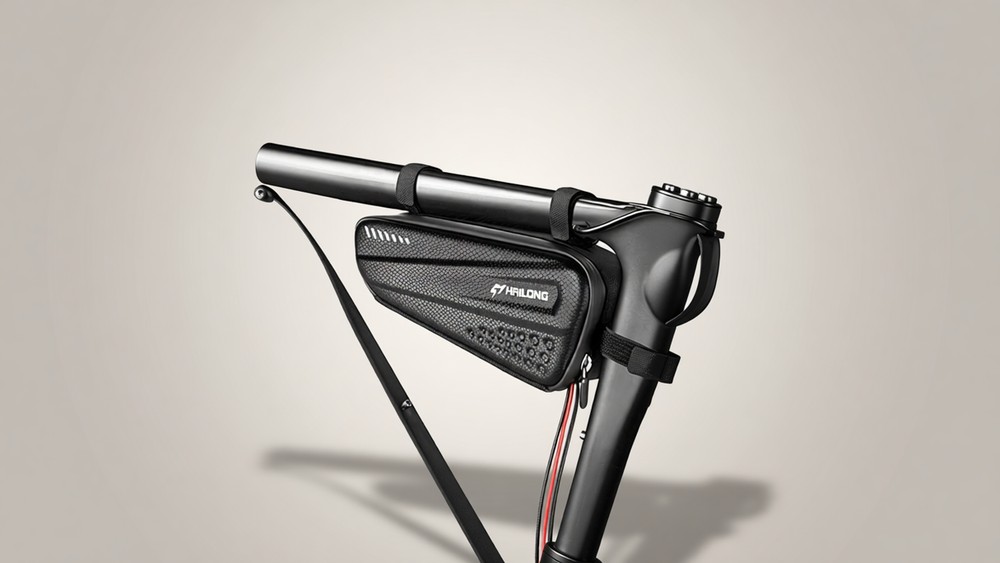
The text on this page later described a different product entirely, under the ASIN B0FBWBPX62, which is the ASIN our comparison table carries today. That pack is a 14.5-inch rectangle in a waterproof triangle bag, with a 4.84 lb recorded weight and a five-review record at five stars in the text we inherited. Both articles carried the same brand and the same voltage class, which is almost certainly how the swap happened.
The strangest part is that our own table row never noticed. The B0FBWBPX62 row carries a 4.4 rating with no review count, which matches the 41-review compact pack, not the five-review triangle pack the later text described. With the listing dead, nobody can prove which record belongs to which ASIN, so this article treats the 14.5-inch triangle-bag spec box as the pack this page covers and discloses the rest as unresolved.
What the Spec Box Holds
The energy math is clean. 36 volts times 8 amp-hours is 288 watt-hours, and the printed figure matched the multiplication. That's a small tank. Only one pack in our table holds less energy, so nobody should buy it expecting range.
The protection board was rated 20A continuous, which on 36V caps output near 720 watts. The listing targeted 200-to-600W systems, and the arithmetic supports it with margin. A 250W motor draws about 7A at full throttle and a 500W motor about 14A, so even the top of the claimed range runs well inside the board.
Charging and Connectors
The recorded charger was 42V at 2A, and 42V is exactly ten cells in series at 4.2V, the standard figure for an ordinary lithium-ion 36V pack. At 2A, an 8Ah pack has a hard floor of four hours before the taper, which matches the four-hour claim in the text we inherited. Nothing here needed generosity.
The dual-connector arrangement was the most practical thing on the spec sheet. The pack shipped with both XT60 and T-Plug fittings, so most controllers connect without an adapter. On a pack this cheap, that saves a ten-dollar part and a soldering session, and XT60 spares are available at any hobby shop.

The Weight Closes, Barely
The recorded weight was 4.84 lb, about 2.2 kilograms, against 288 watt-hours. That works out to roughly 0.13 kWh per kilogram at the pack level. The em3ev guide puts complete 48V 20Ah packs at 10 to 12 lb, which is roughly 0.18 to 0.21 kWh per kilogram, so this pack looks light for its energy.
The gap isn't a defect, it's the small-tank effect. The same case, board, wiring, and bag weigh the same on a small pack as a big one, so the fixed hardware dominates. Run the numbers the other way and the box closes. At a typical 0.2 kWh per kilogram for bare cells, the cells account for about 1.4 kilograms, which leaves about 0.8 kilograms for the case, the 20A board, the connectors, and the waterproof bag. That's a tight but plausible budget, and it's the same reading we gave the Q RQTEBAT 48V 12Ah rebuild, another small pack whose density only made sense once the fixed hardware was counted.
Weigh on arrival anyway. The whole density case rests on a single recorded figure from a listing that no longer exists.

What It Costs, and How Far It Goes
On value this pack is expensive, and there is no honest way to dress it up. 103 for 288 watt-hours is about 36 cents per watt-hour, which puts it among the most expensive packs in our comparison table. Small packs always price worse per watt-hour than big ones, because the buyer pays for the case and the board on a small energy base. If the price per watt-hour is the deciding number, a 36V pack at 10Ah or 15Ah delivers far more energy per dollar.
Two claims on the spec sheet deserve their discounts. The text claimed UL2271 certification, and no file number was ever recorded. A certification without a file number can't be checked, so we weight it at zero, the same treatment we give every unverifiable safety claim. The triangle bag was described as waterproof with a hermetic seal, and no IP rating was ever recorded for it. An IP code is a tested figure, and this bag has none on record. Treat the bag as rain protection, keep the pack out of puddles, and never pressure-wash it.
The cycle claim was 1,000 or more, and unlike the 1,500-cycle claims we have debunked this week, this one sits inside the published band. Wikipedia's lithium-ion page puts ordinary lithium-ion at 400 to 1,200 cycles, and 1,000 is the top edge of honesty for a budget listing. The 42V charger date-stamps the cells as ordinary lithium-ion, so the claim and the chemistry agree.
Range for Small Systems
Scale from an independent table rather than trusting any listing. The em3ev 48V 20Ah guide anchors a full-size 48V 20Ah pack at 30 to 40 miles on throttle and 50 to 65 with light pedaling. This pack holds 0.30 of that energy, so the scaled expectation is roughly 9 to 12 miles on throttle alone and 15 to 20 with light assist. A light rider on flat ground with a 250W motor will see the top of the band. Hills and cold push it down hard, and a 500W motor at full throttle lands near the bottom.
That range profile fits a short commute, a scooter, or a project build, and it doesn't fit anything longer. For trips past ten miles each way, this pack is a backup, not a primary.
What the Record Can and Cannot Tell You
For the pack this URL covers, the record is effectively empty. The inherited text described five ratings at five stars, but that text can't be reconciled with the row data, the listing is dead, and no written review for B0FBWBPX62 survives anywhere we can check. So none are quoted here and none have been invented.
The richer 41-review record belongs to the other ASIN, and we won't borrow its owner stories to decorate this pack. The only fair summary is that RANSYRI as a brand had a real customer base in early 2026 with a mostly positive record, and none of that evidence transfers to this specific listing.
Tagged search results for this brand show what the name sells today.
Matching a Replacement
Match five things. The voltage, 36V with a 42V charger, against your system. The 20A board, which is generous for anything up to 500W. The connector situation, and whether your controller wants XT60 or T-Plug. The footprint, 14.5 by 4.5 by 3.54 inches, against your bag or rack, because a triangle bag needs a triangle. And a first-week capacity meter reading, which settles what the label only asserted.
If you want more energy in the same voltage class, the BtrPower 36V 10Ah review covers a pack with a chemistry story of its own and better value per watt-hour.
Frequently Asked Questions
How far does the RANSYRI 36V 8Ah go on a charge?
Plan on roughly 9 to 12 miles on throttle and 15 to 20 with light pedaling, scaled from an independent range table against the pack's 288Wh. Hills, cold, and heavier riders push the number toward the bottom.
Why does the review mention two different packs?
The listing behind this slug changed identity during its life, and the article text changed with it. The original version covered a 7.6-inch compact pack with 41 ratings, the later text described a 14.5-inch triangle-bag pack, and the listing died before the question could be settled. This article rebuilds from the spec box of the pack our table carries.
Can it run a 500W motor?
Yes with margin. 500W draws about 14A on 36V, and the board is rated 20A. The claimed 200-to-600W range holds against the arithmetic, though the top end leaves less room for hills.
How long does a full charge take?
The recorded 2A charger has a hard floor of four hours on 8Ah before the taper, which matches the recorded claim.
Is the waterproof bag actually waterproof?
No IP rating was ever recorded, so the claim can't be tested or verified. Treat it as rain protection for splash and drizzle, and keep the pack out of deep water.