Hunting a 48V 20Ah battery in the hailong shape means wading through dozens of near-identical listings, and KORNORGE's was one of them. It's gone now. The page returns nothing, and the strange part is that it left almost no trace: the listing never accumulated a single review in its entire life.
We recorded it in February 2026 with zero ratings, and it died the same way.
So there's no owner record to consult, no comment section warning you about the BMS, nobody's range report. What survives is the spec sheet, and to the listing's credit, it was a good one. KORNORGE printed the actual cell layout, 13S7P, instead of hiding behind a bare capacity claim, and that one number lets you check almost everything else the listing claimed.
Recorded specs answer what 960 watt-hours buys in range, whether the case fits a standard hailong mount, and how far the 40A BMS would let a motor push. The same reading works on any live replacement's spec sheet when there are no reviews to lean on.
My honest read of the recorded evidence: this looked like a properly built mid-range pack, priced in the lower-middle of the field, and its spec sheet said more than most of what surrounds it. Nobody's purchase can vouch for it now, so the spec sheet is the whole story, and the 48V 20Ah hailong class it belonged to is still full of listings worth reading the same way.
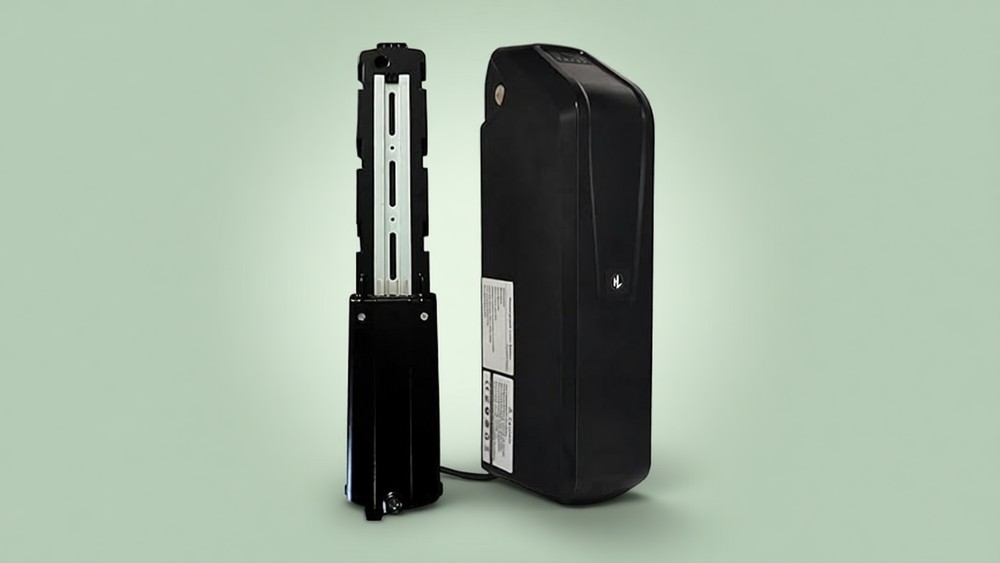
A listing that died before anyone could review it
Some dead listings leave a body of owner reports behind, and the rebuild becomes a story about what buyers have found. This one leaves nothing.
The rating field in our data is null, the review count is null, and the previous article recorded in February 2026 that the listing was too new to have accumulated feedback. It sold, or didn't, in silence, and the page vanished before the record could fill in.
That absence changes what a write-up can honestly claim. I can't tell you the pack held up, because nobody who bought one ever said so in a place we captured. What I can tell you is whether the claims on the page held together, and this one's did, which puts it ahead of a surprising share of the market.
The useful part left over is the method. When a listing dies quietly and a near-identical replacement appears under a new name next month, the spec sheet is what separates a real pack from a rebadged one. The parts below walk through the checks this listing's numbers allow.
What 13S7P tells you
Thirteen cells in series at 3.7 volts nominal is 48.1V, the true nominal of every lithium-ion pack sold as 48V.
Seven groups in parallel carry the amp-hours, and 48.1 volts across 20 of them is 962 watt-hours, which the listing rounded to 960. The headline figure wasn't a marketing number. It was the cell count, printed where you could check it.
Most listings in this class never print the cell layout. They state "48V 20Ah" and leave you to trust that the parallel groups are real cells rather than a smaller pack with inflated math. A seller who publishes 13S7P is making a claim that a teardown could falsify, and that's the single best trust signal a budget battery listing can offer.
The power ceiling
The recorded BMS was rated at 40A continuous, and 40 amps across 48.1 volts is about 1,924 watts sustained.
The recorded motor range topped out at 1800W, so the BMS sits comfortably above the highest motor the listing claimed, with margin left over for the current spikes that startup and hill climbs produce. Whatever replacement you consider should show the same relationship: BMS amps times nominal voltage, comfortably above the motor's rated watts.

Does the case fit your frame
The recorded dimensions were 14.6 by 3.8 by 5.4 inches at 10.8 pounds, and both figures sit where this class should.
The weight lands inside the 10 to 12 pound band the em3ev 48V guide records for complete 48V 20Ah packs, and the math agrees: 960 watt-hours in 4.9 kilograms is about 0.196 kWh per kilogram, in line with other complete hailong packs we've recorded with case and BMS included. Neither figure looks padded.
Hailong and shark are two names for the same case shape: a teardrop that sits on the downtube and slides into a bottom rail. A fit comes down to two measurements, and the listing's death doesn't change either of them.
The first is the rail. Most hailong-mount frames accept packs roughly 14 to 15 inches long on a standard rail width, and 14.6 inches fits that window. Measure your existing pack's length and the rail's width before ordering any replacement, because a millimeter or two of interference is all it takes to make a slide-on pack a no-fit.
The second is the connector layout, and this is where hailong replacements actually go wrong.
The outer case is the same across pin counts, and one parts catalog lists three contact layouts for the Hailong 01/02/03 case: four blade contacts, five golden round contacts, and six round contacts. This pack recorded a 4-pin base, which matches the blade-contact class. Count the contacts on your old pack's base before you buy anything, because the case will mate while the electronics don't.
Discharge and data connectors
The XT60 discharge connector handled the main current, and it's the most common plug on 500W-plus controllers, so most builds accept it directly. If your controller runs Andersons or a T-plug, an XT60 adapter cable costs little and loses almost nothing. The 4-pin base carried display data, and a build without a compatible display runs fine on the XT60 alone.
Range at 960 watt-hours
The em3ev table's 960Wh row applies here directly, no scaling needed: 30 to 40 miles on throttle alone, 50 to 65 miles at low pedal assist.
A lighter rider on flat ground with a gentle throttle lands near the middle of the throttle band, and hills or a heavy hand pull it toward the floor. That's the honest spread for this capacity, and any listing promising 70-plus miles from 960Wh is quoting the pedal-assist figure as if it were a throttle figure.
Charging comes down to math again, since no charger spec was recorded: 20 amp-hours takes about 6.7 hours from empty at 3A, or about 5 hours at 4A. The cycle-life claim of 1500-plus cycles to 80 percent capacity works out to roughly four years of daily full charges before the pack fades past its rated floor, assuming the cells delivered what the cell count promised.
At its recorded price the pack cost about 24 cents per watt-hour, which put it in the lower-middle of the more than 300 batteries we track by cost per watt-hour. Not a value pick, not a luxury one, and the spec sheet was the part that earned its keep.
Reading a spec sheet when there are no reviews
Every claim on a battery listing falls into one of two buckets, and the buckets decide how much trust each claim deserves. Checkable claims are the ones math can confirm: cell count times cell voltage, amp-hours times voltage against the stated watt-hours, BMS amps times voltage against the stated motor range, case size against your frame, weight against the class band. This listing passed every one of those checks.
Promise claims are the ones no math can test: cycle life, cell brand, warranty response times, waterproofing ratings. They were worth something while a seller stood behind them, and they're worth exactly nothing once the listing dies. The 1500-cycle figure on this pack was plausible for a quality 13S build, but a plausible claim is all anyone can vouch for now.
Apply the same split to whatever live replacement you're considering, because the hailong class regenerates listings faster than reviewers can cover them. A KORNORGE 36V 6Ah pack from the same brand got a fuller owner record before its own listing faded, and the two dead-listing Kusayla hailong guides cover the same form-factor matching from the connector end.

FAQ: the 13S7P math, the connector most controllers already take and the checks a replacement must pass
What does 13S7P mean? Thirteen cells in series set the voltage, 13 times 3.7V for 48.1V nominal, and seven parallel groups set the amp-hours, which multiplies out to the 960 watt-hours the listing claimed. It's a checkable layout claim, which is why it carried more weight than a bare number.
Is XT60 the right connector for my controller? XT60 is the most common discharge connector on 500W-plus ebike controllers, so most builds accept it directly. If your controller uses Andersons, a T-plug, or anything else, an adapter cable is cheap and loses almost nothing in practice.
What is the 4-pin base connector for? It carries display data: charge level and battery state on builds with a compatible display system. On builds without one, the pack runs entirely on the XT60 discharge connection and the base stays unused.
Will a pack like this fit my hailong-mount frame? Measure before ordering. The recorded case was 14.6 inches long, inside the 14 to 15 inch window most hailong rails accept, and the 4-pin base matches the blade-contact class of the Hailong 01/02/03 connector family. Rail length and contact count are the two checks that decide the fit.
Can I still buy this exact pack? No. The listing is dead, no successor was recorded, and no owner record exists to say how it performed. The practical path is the spec-matching method in this article applied to a live listing: cell layout, case size, contact count, BMS margin, and a charger that matches the cell count.