Most budget full-face helmet reviews end the same way. The shell is fine for the money, the visor is the weak point, and you get what you pay for. This helmet mostly fits that shape, with one difference that makes its record worth a close read.
The difference is what sits at the center of the buyer record. The most-voted written text by a wide margin is a crash account, and it is not a fender bender.
The rest of the record splits in an unusual way. Most of the unhappy buyers never describe wearing the helmet at all, because their complaints start at the unboxing.
I went through the full written record, separated the delivery faults from the wear failures, and checked the listing's claims against its own spec table. Here is what the record supports.
The JAGASOL full face helmet earns its place on value first. On our price tracking it lands in the cheaper third of the 257 helmets we follow, you can check the exact spot in the motorcycle helmet comparison table, and the record's happy buyers agree with that read.
Where it loses ground is a delivery fault pattern in the one-star record and a visor support story that repeats across several texts.
The crash account at the center of the record
The most-voted text in the record holds 12 votes. No other text holds more than 3. It comes from a rider who describes a hit-and-run crash in May 2024, sliding what they estimate as the length of a football field, with the bike ending up across the median into oncoming traffic.
The account credits the helmet directly, saying thank god for wearing it, and closes with a thank-you the truncation cuts short.
One account proves one thing, and I would not overstate it. It does not certify the shell, and the rider's own description of skipping down a road says more about luck than about foam density. What it does show is that the helmet has done the one job that matters at least once, in a real high-speed get-off, for a buyer who came back to say so.
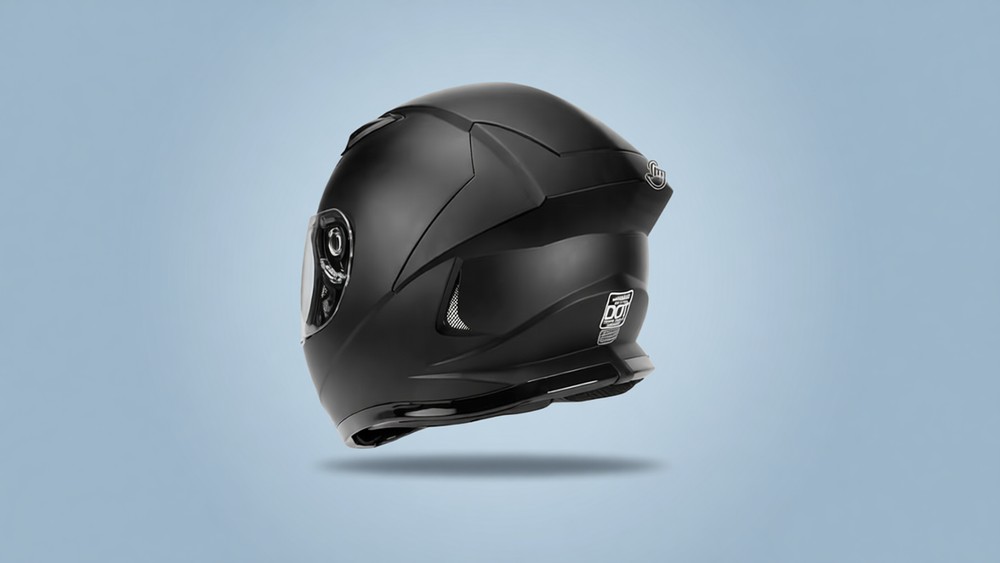
It is also worth naming what the certification on this listing does and does not cover. DOT certification is self-certification, so the maker's own statement stands behind it.
For a full-face helmet, the chin bar is the part that matters most. Studies of crash impact have found about 35 percent of crashes involve a major impact on the chin-bar area, according to research summarized in the motorcycle helmet types overview on Wikipedia, which is why the full-face design exists, and this shell carries one in fixed form rather than on a hinge.
Six of the ten one-star texts never got worn
Now the pattern that separates this record from the usual budget-helmet curve. Of the ten one-star texts in the written record, six describe faults visible on delivery day.
The first fault text describes the left vent loose in the box rather than on the helmet, with the back plastics already peeling. One received a helmet that was cracked in the back and unusable. One got a box missing the colored visor and the bag, and a vent cover besides.
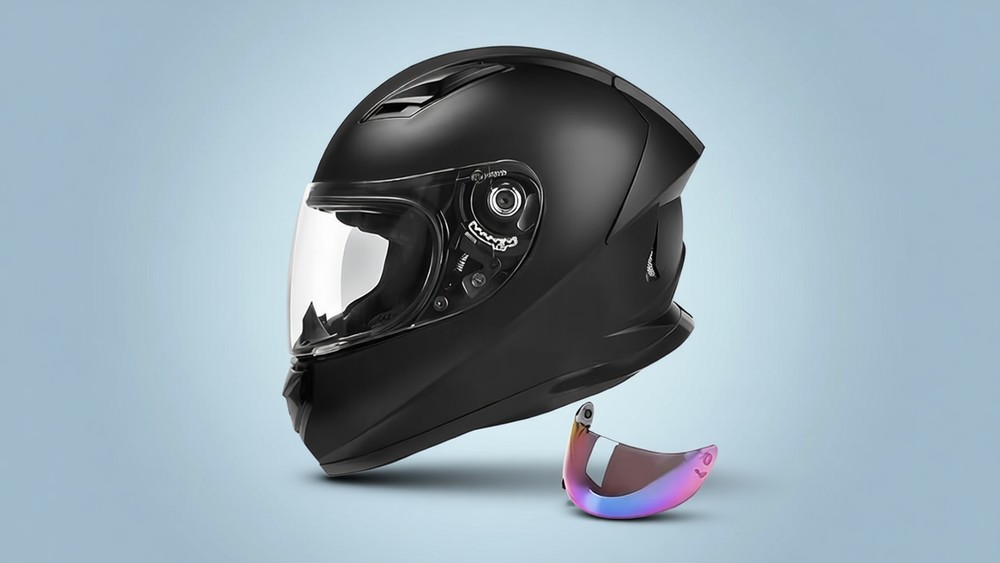
One had a piece fall out of the box unattached, with stretched fabric that would not stay put. One says the helmet arrived used, with damage, and the remedy was a refund wait rather than a replacement. One pulled out a tinted visor that was already scratched.
That is not a wear pattern. It is a quality-control and handling pattern, and it is the single biggest cluster of dissatisfaction in the record.
The practical consequence is simple. Open the box with the return window fresh, check the vent covers, the back of the shell, the visor surface, and every included part against the spec table, which promises the helmet, an extra visor, and a dust cloth. The record says the odds of a delivery fault are real, not hypothetical.
The wear record is short but pointed
The failures that happened after delivery are fewer, and they cluster on one part: the visor assembly.
The visor-clips failure cost one owner a full replacement inside a year, the clips on the side breaking under what they call light to average use. Another dropped a barely-used helmet from hip height, landed it on the visor, and cracked the mount, after which the visor popped off whenever it moved. A third used the helmet once before the colored visor started peeling.
The support story repeats inside those texts. A buyer with a scratched extra visor asked for a replacement visor alone and was told to return the whole helmet, which they declined because they needed the helmet. The peeling-visor buyer could not find a replacement visor for sale anywhere and sent the helmet back.
For a helmet whose second visor is a headline feature, the record shows no path to buying one on its own.
Against that, one buyer reports the visor swap being easy, and the seller did respond publicly on one sizing complaint with a full refund or a thinner liner offer, though the buyer could not find a contact route to take it.
The noise claim and the whistle
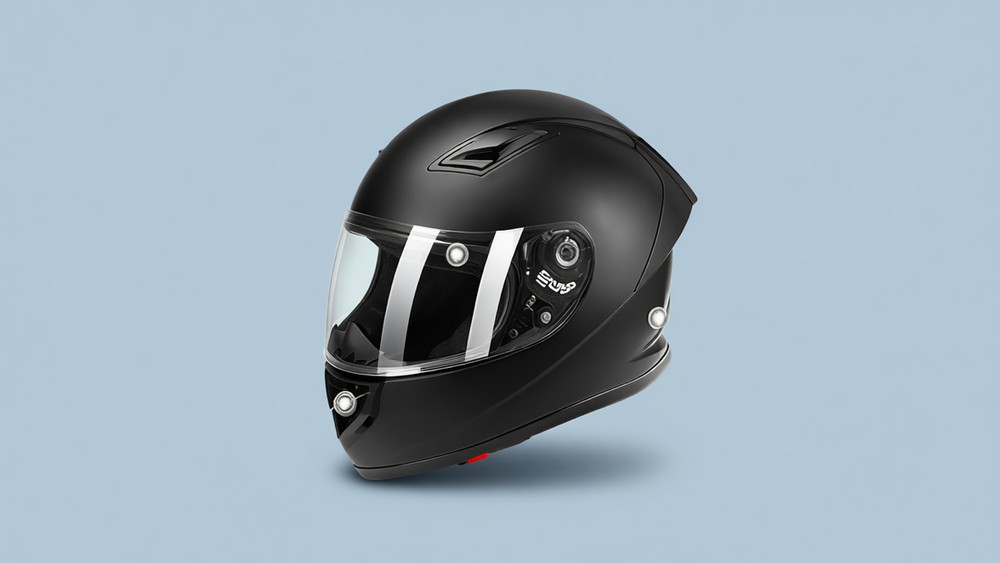
The listing's fourth bullet promises a streamlined aerodynamic design that reduces airflow and noise. The record does not back that up.
The whistle account says the noise made it hard to enjoy the ride, let alone focus. Another calls the noise level horrendous and says a Scorpion helmet was a night and day difference for a little more money. A third, the most detailed of the noise complaints, reports insane airflow, very loud wind, an uneven feel, and says they would not recommend riding over 40 mph in it.
Even the happy buyers concede ground here. A five-star text calls the helmet fairly comfy and still notes some road noise. Four noise mentions in a 23-text record, against a bullet that promises the opposite, is a real contradiction.
If quiet matters to you, this is the wrong shell at any price. If the noise budget is a helmet that sounds like a helmet, the price makes it defensible.
Fit, weight, and the paper trail
The sizing record splits both ways, same as most budget helmets. At the top of the range, the 2XL still ran too small for one buyer. Another found the Large a little too big.
The buyers who followed the size guide report accurate sizing, and the chart itself, 21.6 inches at the small end up to 24.4 at XL, is printed in the bullets rather than hidden in an image, which is worth something.
The weight deserves a note because the title carries the word lightweight. The spec table says 4.39 pounds. That is heavier than the 3.31-pound VEVOR full face we reviewed at a similar price, and the single weight complaint in the record calls it heavy outright. If the title drew you in, read the spec row instead, because the weight is the least lightweight thing about this helmet.
Two spec-table facts work in its favor. The warranty row promises a 1-year manufacturer warranty, which almost nothing at this price states, and the service type list covers ATV, snowmobile, and UTV use alongside street riding. Neither appears in any review, in either direction, so treat the warranty as paper until proven.
FAQ
Is the JAGASOL helmet really DOT certified?
The bullet claims it meets or exceeds FMVSS-218 and DOT standards, and the spec table carries no contradicting row. Remember DOT is self-certification, the manufacturer's own claim, so the buyer record is the only test evidence available, and its one high-speed crash account came out well.
Does the JAGASOL run small or large?
The record splits. One buyer could not fit at 2XL, another found the Large too big, and the buyers who followed the printed chart report it accurate. Measure your head and order against the inch ranges in the bullet rather than your usual size.
Can I buy a replacement visor for it?
The record says no. Two buyers looked for a standalone replacement visor, one after the spare arrived scratched and one after theirs peeled, and neither could find one for sale. The seller's offered remedy was returning the whole helmet.
Who should buy this helmet?
A rider who wants the cheapest credible full-face shell, values the second visor and the quick-release buckle, and will inspect the box on arrival day. Our VEVOR full face helmet review covers a similarly priced shell with a sizing problem instead of a delivery problem, and the TCMT full face helmet review covers the step up in both price and record size.
The honest close is that this helmet wins on a number, about 52 at check against a median near 100 across everything we track, and the record's center, a crash survivor who credits it, is the strongest single fact a budget helmet's buyer page could carry. The arrival-fault cluster and the visor support gap are the costs of that price, stated plainly so you can price them in.