The odd-capacity pack is gone from Amazon and what remains is the math, because the Jafecokaer was a 672Wh external box with a 30A BMS at 24 cents per Wh. The BMS was its one genuine claim to fame at this capacity. Since the listing is retired, this is now a buyer's checklist for the 48V 14Ah slot rather than a purchase pointer. Conversion builders running 750-1200W motors win.
The spec that made this pack worth a second look
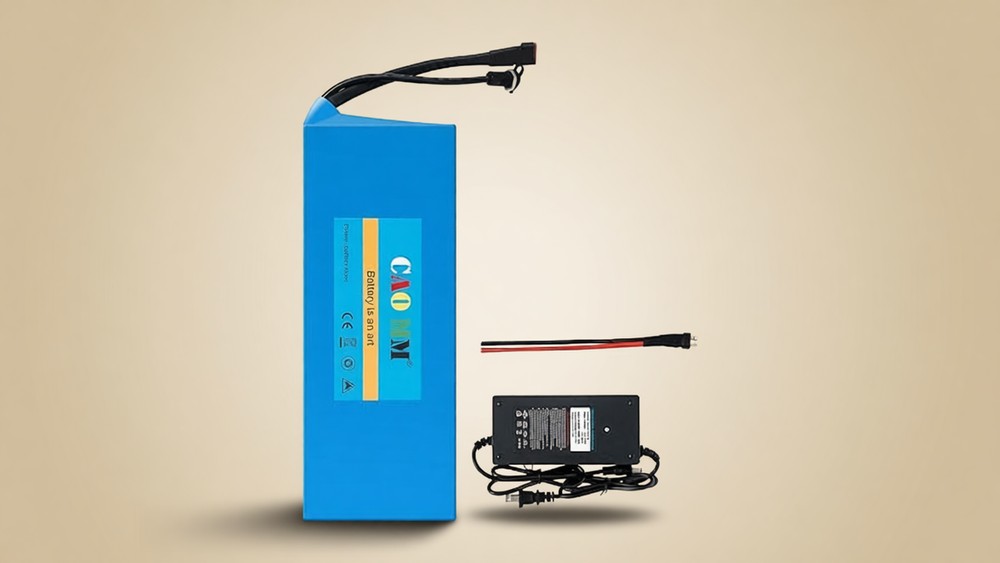
Most 14Ah packs ship with 20-25A BMS units, but this one uses a 30A board, which allows a continuous draw of about 1440W when the system runs at 48V. This makes the 1200W motor claim credible instead of just decorative fluff because the electronics won't trip when you push up a hill. You get headroom that most packs in this tier lack, so the battery stays cool under heavy loads. It doesn't cut out when the motor demands peak juice.
The 500W floor feels like a design-intent signal rather than a hard cutoff, since a 250W motor runs fine without any strain on the internal cells. Because the pack is built to handle more current, you don't have to worry about the BMS throttling your speed during steep climbs. This overhead means the bike stays consistent even when the terrain gets rough. It's a smart choice for big-motor builds.
At a recorded price of 158, the cost sits at 24 cents per Wh, which is mid-table for an external-box pack of this size. You aren't paying a premium for a brand name, but you are getting internal hardware that outlasts the cheap alternatives. If you need a pack that can handle high-wattage demands, this math makes sense. It is a solid middle-ground option.
What 672Wh actually buys you in miles
When you look at a 672Wh pack, you have to account for the fact that you can't use every drop of juice without hurting the cells, so an 85% usable depth limit leaves you with about 571 usable Wh to spend on the road during a ride. If you stay in light pedal assist and use 15 to 25 Wh per mile, you'll go between 23 and 38 miles. If you lean on the throttle, the cost jumps to 30 or 40 Wh per mile, so your range drops to 14 through 19 miles.
Sellers often claim numbers that are 50% to 100% higher than what a rider actually sees because they ignore how hills and weight drain the pack much faster. Cold weather cuts your capacity further, while heavy riders and steep inclines push consumption to the very top of those math bands. This means a trip that looks fine on paper might end with you running out of power before you get home. You're essentially betting on a flat path when you trust those high-end estimates.
The 14Ah slot sits right between the 12Ah and 15Ah sizes, but that 48Wh gap only buys you about two to four extra miles of real travel. The 48V 14Ah packs we track span a wide price band at this exact capacity, so compare per-Wh before you pick. Since this is an external box, the way you mount it changes how the bike feels and how much the cells take from crashes. If you push the pack too hard, you'll find that the range disappears faster than the spec sheet suggests. You have to plan for the low end of the numbers.
The 14Ah slot: where it sits between the common sizes
The 14Ah pack sits in a strange spot between the common 12Ah and 15Ah sizes, which means it offers 672Wh by splitting the physical difference between those two more standard volume SKUs. Since the 48Wh gap to the larger 15Ah pack only adds about two to four real miles of range, you should look at the cost first. If the 14Ah version costs less per watt than the bigger one, it makes sense to grab it, but if the prices are the same, just get the extra cells.
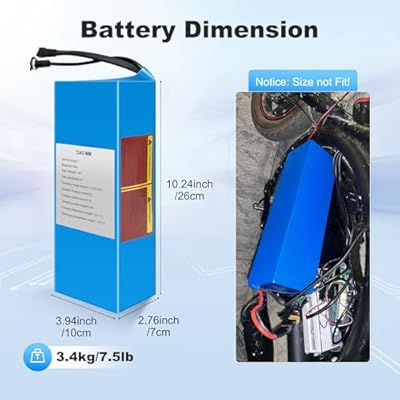
Because this is an external box, you trade away a clean frame look for the ability to bolt it onto any donor bike, though you have to decide where to put the weight. Mounting the pack on a rack versus using a triangle bag changes how the bike handles corners and also how much you protect the cells during a crash. A heavy battery on a rack can make the front wheel feel light, while a frame bag keeps the weight low but might block your legs. The generic 48V 14Ah power pack is the cheapest per-Wh alternative in this slot if budget outranks the BMS headroom story.
The 30A BMS inside this pack is odd for this size because it can handle 1440W of draw, which is much more than what most 14Ah packs can manage. Most packs in this tier use smaller controllers, so this one won't choke when you push a 1200W motor hard on a steep hill. You get extra headroom that keeps the electronics cool even when you are pulling a lot of juice. This is a win for riders who want a small pack that can act like a big one.
Buying in this slot after the listing died
When you find a 48V 14Ah pack with a thin history, you have to check whether the seller uses named-brand cells or cheap no-name parts that fail under load. Look for a UL standard you can verify, because it moves the purchase from hope toward evidence. If the listing says nothing about the brand, you're betting on parts that overheat when you climb. This pack had no history, so checking specs is the only way to stay safe.
Check the BMS amperage, because a 30A unit allows your motor to pull more power than the common 20A packs that you often see in this size tier. Match the connector type to your controller before you order, or you'll end up with cut wires. A high BMS rating gives headroom, so the battery doesn't cut out when you twist the throttle.
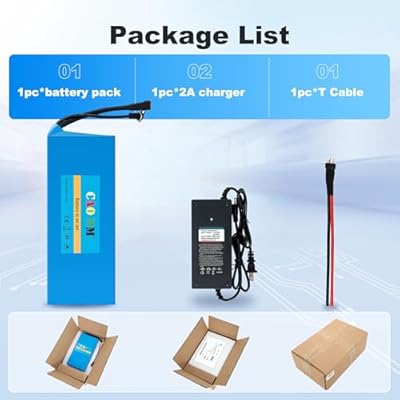
The charger amperage tells you how long you wait, since a 2A charger takes seven hours to fill this pack while a 3A charger cuts that time down to five. If the seller doesn't state these numbers, you might get stuck with a slow charge. Without clear details, you risk buying a pack that dies before you finish a ride. Checking these small things saves you from wasting money on a box that won't do what you need. Browse the current 48V 14Ah listings on Amazon with this checklist open.
Frequently Asked Questions
Is 672Wh enough for a commute?
This battery provides enough energy for 20-mile round trips and offers a range of 23 to 38 miles when using pedal-assist. You'll get between 14 and 19 miles if you rely heavily on the throttle instead.
Why does compatibility start at 500W?
The 500W figure is a signal of design intent rather than a hard technical cutoff for what the internal components can actually handle. The 30A BMS supports up to 1440W of continuous draw, leaving plenty of headroom for larger motors.
14Ah vs 15Ah
The 14Ah pack has 48Wh less capacity than the 15Ah version, which translates to about 2 to 4 miles of lost range. If the cost is the same, you should buy the 15Ah model for the extra distance.
What form factor is this?
The external box design means it mounts on a rack or in a triangle bag rather than inside the downtube. This setup offers more flexibility for different bikes but changes weight distribution and exposure during crashes.
Will it run a Bafang mid-drive?
This 48V pack will run a Bafang mid-drive as long as the connector matches and the amp draw stays within the BMS limits. The 30A BMS handles the power demands of most mid-drive systems without tripping.