Six-rider mesh for two riders comes in two pages. One page sells a single FreedConn FX PRO.
The other sells two of them in one box, and it has been live since July. Amazon pools the ratings across the pair, so both pages carry the same record.
The pair page is the one this review walks, and it reads differently from the single. The record behind it is younger than a riding season, most of it written in Spanish, and every captured text carries a confirmed order.
Here is what the pair actually saves, what the first months of buyer reports establish, and where the listing's promises still sit ahead of the evidence.
The FreedConn FX PRO 2-pack is the cheaper way for two riders to buy this headset, and the math holds up on the day we checked it.
Two singles at 84.99 each total 169.98. The 2-pack costs 162.99, so the pair saves 6.99, about four percent. That prices each helmet at roughly 81.50, and it makes this a genuine discount rather than the pricing accident we have caught on other pairs, where the box cost a cent or a dollar more than the parts.
Our intercom comparison table prices the row against the six-rider claim in the title, at 27.17 per rider. That figure describes six units sharing one purchase, which is not what arrives.
Two helmets ride on this box, and the sixth rider joins only if somebody buys two more sets. The row's honest denominator for a couple is the 81.50 figure above.
Two rungs, one pool, and what the single's review already covers
The 2-pack and the single share one rating pool, 4.4 from 73 on the day we scraped both pages.
The single FX Pro review already documents that pool's best-known finding in depth: three owners describing music that ducks under every sound the microphone hears, with no way to turn the behavior off. The August text behind that story sits in the same pool this pair page sells, so it applies to the box on this page just as much as to the single.
This review spends its space on what the pair page adds: the rung math above, a record that is still in its first months, and a buyer base that mostly writes in Spanish.
The single's article was built on twelve texts from a 70-rating pool. The pool has since moved to 73, and the ten newest texts lean Spanish-heavy, seven to three. Ratings drift is normal on a live listing, and the covered article's deeper dive into the ducking complaints remains accurate against it.
A record younger than the listing's own launch date
The listing's own details table says it first went on sale July 8, 2026. The oldest captured text is dated July 16. Every report in the record is under four months old.
That age cap decides what this record can and cannot establish. It can establish that early units pair, that the mesh link works between riders on the same protocol, and that one battery has held up for a summer of riding. One Spanish-language owner has reported the battery duration as very good across a season of rides with friends.
What it cannot establish is anything that takes time to fail. No owner has had the headset long enough to report on battery aging, on how the clip or the speakers hold after a year, or on how the manufacturer's service channel handles a claim.
Nobody in the record has measured the 1000-meter claim, and nobody has put the IP67 rating through anything harder than rain. On a listing this young, those are not ignored findings. They are findings that cannot exist yet.
The badge shape is the strongest part of the record. All ten captured texts carry confirmed orders, in both the recent and the most-helpful sorts. A young record with no unverified praise in it is worth more than a bigger record with a seeded tail, and it makes the critical texts below harder to wave away.
Seven of the ten texts are in Spanish
Seven of the record's ten buyers write in Spanish, which tells you where this headset has found its market in its first months. One Colombian owner has praised the price, the audio, the connectivity, and a delivery that beat the app's estimate, then added a warning about the market at home: resellers in Colombia charge far more for this reference than the listing does.
For a rider in the United States, the listing price is the floor. For a rider in Colombia, the same headset arrives through a markup the manufacturer does not control.
The language split raises one question the listing never answers. One owner has asked how to switch the interface to Spanish.
No reply appears in the record, and the details table names no supported languages. The voice prompts speak English as delivered, and another owner has noted the menu and status voice is hard to follow. A Spanish-speaking buyer should assume the interface is English-only until FreedConn says otherwise.
Voice commands split the same way. The bullet promises user-recorded custom commands, and one owner has reported that the system sometimes struggles to recognize spoken commands at all. Nobody in the record has described the custom-recording flow working, so the feature is claimed, sold, and so far unconfirmed.
What the record says so far, and what nobody has tested
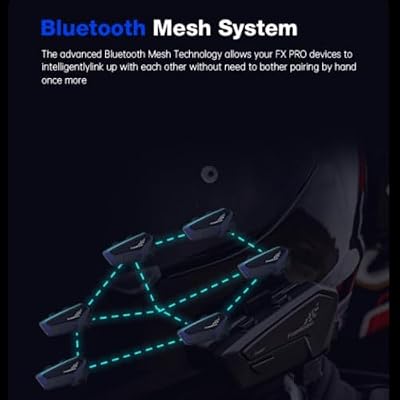
The mesh claims hold up in the reports that exist. One owner has ridden a full season with friends on the same intercom and described the mesh protocol as working very well, with battery life to match. A rider on the back of a bike has praised it as a simple way to talk with a passenger.
Audio quality draws repeated praise across the Spanish texts, with one owner running the word for excellent across price, audio, and connectivity in a single breath.
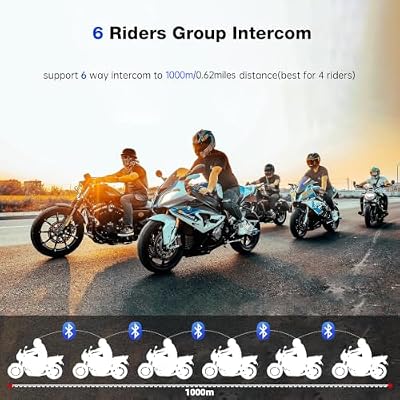
Two accounts qualify the picture. One owner has reported that beyond eight connected people the signal fills with interference and the conversation breaks down. That number exceeds the listing's six-rider claim, and the two are not directly comparable, since the owner does not describe the setup behind the count.
What the account does establish is that this buyer has found a group size where the system stopped working, and the listing's own six-way figure has not been confirmed by any group in the record.
Rider-to-rider sound also splits. The August text that anchors the ducking story closes by calling the audio between riders trying to communicate quite terrible.
A July rider with two units connected has reported the sound breaking up even at close range, while granting that road-noise cutting worked well. Against those, the mesh-praise texts above were written by owners talking through the same radio. Distance, terrain, and helmet choice plausibly separate the two camps, and the record is too young to settle it.
The most useful sentence in the record appears in the July text that also complains about rider audio. That owner warns that when the headsets first power on and connect, the volume comes up at full, loud enough to risk hearing damage, and advises turning the volume down before connecting to anyone.
No other text mentions it, but the instruction costs nothing to follow and the listing documents no default-volume setting. Treat it as the first-setup step.
The rest of the listing's promises remain unmeasured. The 1100mAh battery, the fifteen hours of intercom talk, the two-hour charge, and the 1000-meter range all trace to bullets and gallery cards. The detail rows behind the listing carry no range, battery, or hours figures at all.
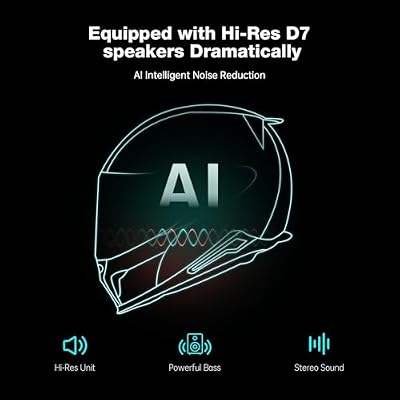
One gallery card even sells a Hi-Res D7 speaker that no bullet and no spec row mentions, so the card is the only place that claim exists.
Under the Bluetooth specification's own range band of 40 to 400 meters, a 1000-meter figure implies radio work beyond the stock link, and no owner has published a measurement either way. The IP67 rating means dust-tight plus a thirty-minute freshwater immersion test in the lab, a test no helmet intercom buyer has reason to run.
Buy the pair when two of you want this radio now
The case for the 2-pack is narrow and honest. Two riders who have already decided on the FX PRO save 6.99 against two singles, roughly four percent, and get matched hardware in one box. The pair is also the only rung with the launch-date row attached, which means the four-month record applies to it directly.
The case for waiting writes itself from the same record. Nothing has failed yet because nothing has had time to. A rider who wants a proven year-two report, or who rides with more than four people, or who cannot live with music that ducks under wind, should read the single FX Pro review for the ducking findings and look at a mesh unit with an older record.
Couples who fit the FX PRO's shape and accept an unproven long tail get the best price the listing offers.
Frequently Asked Questions
Does the 2-pack actually cost less than two singles?
Yes. Two singles cost 169.98 at the single listing's live price, and the 2-pack costs 162.99, a saving of 6.99. We re-checked both prices on the same day.
Do the reviews on this page cover the pair?
The pool is shared with the single, 4.4 from 73 on both pages, and all ten captured texts carry confirmed orders. Seven of the ten are in Spanish.
Can the FX PRO really talk to six riders?
The listing claims a six-way auto-joining mesh at 1000 meters. Owners confirm the mesh works between riders on the same protocol. No owner group in the record has confirmed six units, and one owner has reported interference breaking down the conversation beyond eight connected people.
Does it work in Spanish?
One owner has asked how to switch the interface to Spanish and no answer appears in the record. The listing names no supported languages. Assume English prompts until FreedConn documents otherwise.
Is the IP67 rating meaningful?
It is a lab rating for dust-tight construction and thirty minutes in a meter of freshwater. No owner in the record has tested it beyond ordinary rain.