About half of the intercom industry sells you features for a six-bike group ride you will never actually organize. The Sena SMH10D-11 dual pack solves the ride you do take: 2 people, 2 helmets, 1 conversation that doesn't require yelling. It is among the oldest designs in the category, and it stays on helmets year after year for one reason. It works, and the dual pack costs about what other brands charge for a single unit.
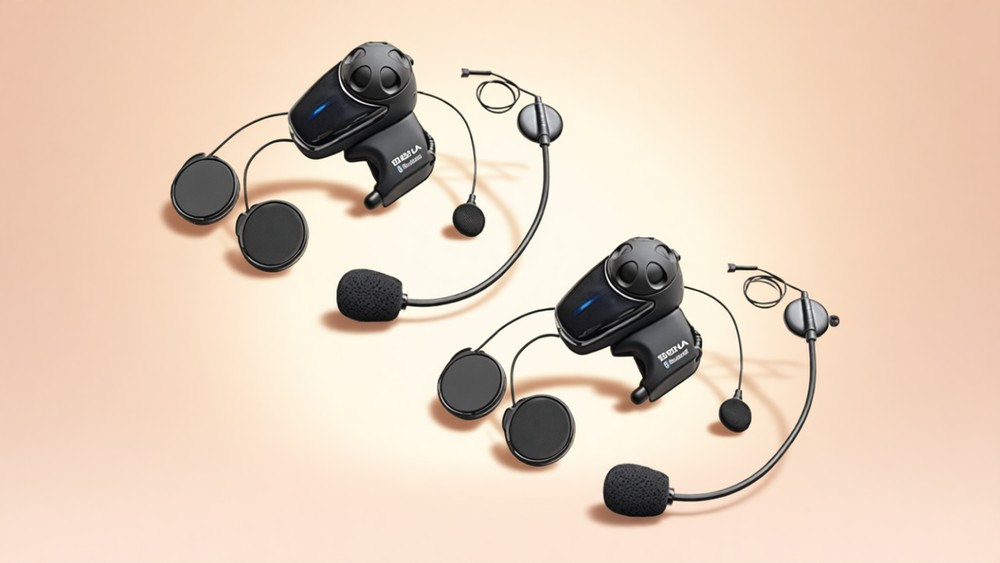
Sena's claimed range is 900 meters (about 980 yards) under ideal line-of-sight conditions. Hills and buildings will reduce that, and in the real world riders care about the distance between a rider and passenger, or how two bikes sit in a staggered formation. The two-bike use case is exactly what this system handles without drama. For current pricing, check the dual pack on Amazon and compare it against single-unit competitors.
Specs and Build Quality
Each unit is a Bluetooth headset with speakers, controls, and a microphone. The package includes two complete units, so passenger and rider receive identical hardware. The SMH10 is not a new design, and that fact shows up as polish. Sena has had years to correct the things that bug riders.
Build quality is where Sena earns its money over the clone brands. Multiple reviewers mention that Sena builds with metal where cheap headsets use plastic that cracks after a season. The control module feels solid in a gloved hand, and the buttons have physical travel, so you don't have to feel for a click through leather. This is equipment made to withstand sun, rain, and bugs for years. Find more at sena.com.
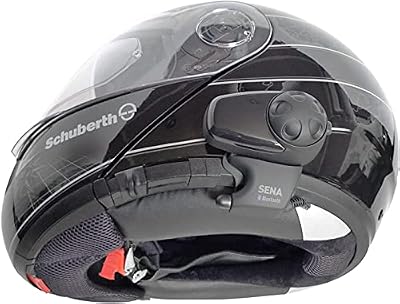
One honest design note: the module attaches to the side of the helmet and pokes down toward the lower edge. Some riders mention that it can catch when they tuck the helmet under their arm. Nobody called it a dealbreaker, but it is something you notice in week one and stop noticing after.
Audio and Mic Performance
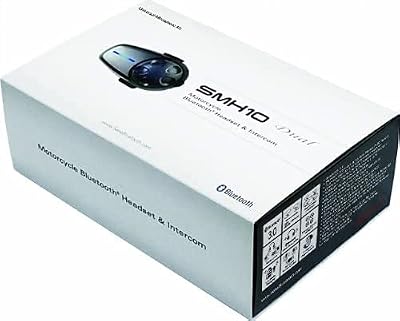
Wind and engine noise are the enemies of helmet audio, and the SMH10 has effective noise cancellation that removes much of it, so the person on the other end hears a voice instead of static. Reviewer after reviewer states that calls remain clear at highway speeds, which is the entire test.
Voice assistants work through the unit. Say "Hey Google" or "Hey Siri" and your phone answers, no buttons, no digging into your jacket pocket with gloves on. Directions, calls, and music are all hands-free. Music sharing is available too, letting a rider send their playlist to the passenger's headset, and it is exactly the feature a two-up pair uses on a long ride. Sharing is limited to one additional rider, which is not a limitation at all in a dual pack.
The universal microphone kit is a bigger deal than it seems. You receive both a boom mic and a wired mic, so you can adapt the system to whichever helmet you own. Modular riders usually opt for the boom sitting just beneath the chin bar. Full face riders often prefer the wired option attached to the liner. With both in the box, there is no extra expense for accessories.
What Amazon Reviewers Have to Say About It
Over 1,100 reviews at an average of 4.5 stars, which is about as proven as a product gets in this category.
D.J. reported around ten days of riding, roughly an hour or two per day with music playing, between charges. He also echoed the metal versus plastic point about the build. SB, who rides ATVs, called it incredible value and noted that communication stayed clear through technical trail sections, which matters when you are calling out obstacles without stopping. SFC USA praised the build quality and confirmed the boom mic works well on a modular helmet. Cmd summed up the two-up case: his passenger stopped leaning forward to yell, conversations happen at normal volume, and installation was easy.
Not every review is glow. A handful of owners note the mounting hardware feels dated next to newer low-profile units, and the boom mic arm takes some bending to get the ideal position on certain helmet shapes. Neither complaint shows up often enough to dent the rating, and both are one-time setup annoyances rather than ongoing problems.
That is a consistent story across a large reviewer base: battery life measured in days, audio that survives highway speeds, and hardware that outlives the season.
Who Is This For?
Two-up riders, first and foremost. If you regularly carry a passenger, the dual pack is the default answer, because the passenger gets identical hardware and the ride changes immediately: navigation callouts, hazard warnings, and actual conversation. Second, ATV and off-road riders, where continuous communication through technical terrain is a safety tool and not just a luxury.
To compare it against the rest of the field, visit our motorcycle intercom comparison and read more in the blog.
Frequently Asked Questions
How Far Apart Can the Two Units Be and Still Work?
Sena claims 900 meters (about 980 yards) under ideal line-of-sight conditions. In reality, expect less through hills and traffic, but a rider and passenger a few feet apart, or two bikes in staggered formation, hold a solid connection.
Is This a Good Fit for Riding Two Up?
It is built for exactly that. Each unit has identical speakers, mic, and controls for rider and passenger. Two-up riders mention that constantly as the reason they bought it.
Can It Talk to Other Intercom Brands?
Yes. Universal intercom pairing lets it connect to non-Sena Bluetooth headsets, which is handy when a friend rides a different brand.
How Long Does the Battery Last?
Reviewers report days between charges. One rider logged around ten days of riding an hour or two daily with music playing. Standby runs even longer, so nightly charging is not part of this ownership experience.
What Microphones Are Included?
Both a boom mic and a wired mic ship in the kit, so you can match your helmet style. Modular owners tend to run the boom under the chin bar.
Does It Support Voice Assistants?
Yes. "Hey Google" and "Hey Siri" both work through the unit, which is a genuine safety win when you are wearing gloves and do not want to hunt for a button.
Can One Rider Use the Dual Pack Alone?
Yes. Nothing stops you from running one unit now and installing the second later, and plenty of buyers do exactly that. The pairing is per-unit, so the second unit pairs to the first whenever you want, and it still costs less than most single-unit packs from the premium brands.