A two-rider intercom purchase looks simple until the price page loads. Two headsets, one box, and a bill in flagship-mesh territory.
What matters isn't whether the thing works. It's what a radio design from another decade is still worth now, when budget brands ship a pair for a third of the money.
This one has been sold long enough that its review record tells two stories at once. Riders who bought it years ago wrote long, specific accounts of trips, helmet swaps and firmware updates. The newest texts are short, and several of them grumble about sound or hardware that arrived broken.
Both ends of that record matter to a buyer today. Long-term owners settled the durability question years ago. Recent buyers are the ones living with the sound, the pairing and the price right now.
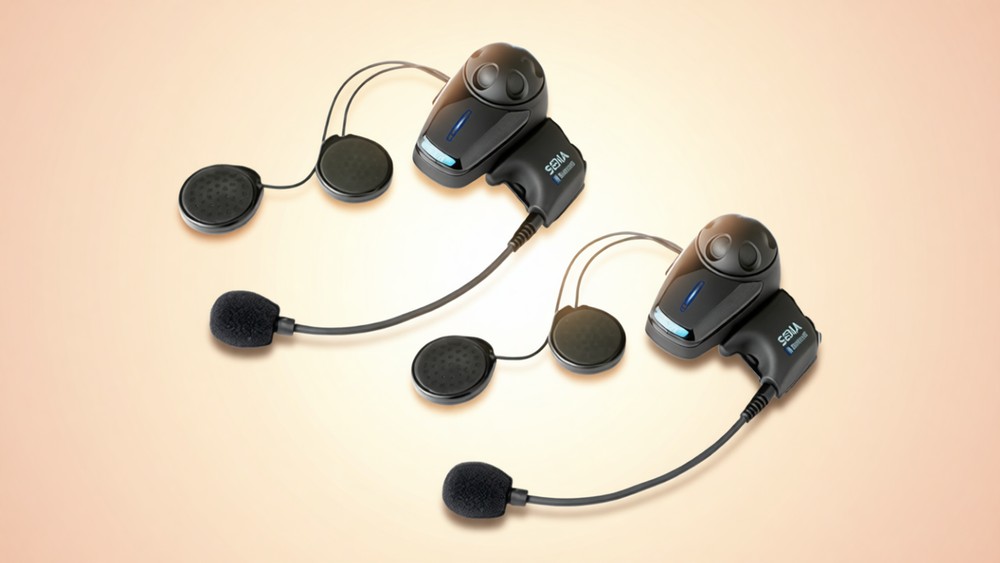
The Sena SMH10D-10 is the dual-pack version of the SMH10, and when I checked the price it sat at 305.56 for the pair with an active buy box. That works out to 152.78 per rider, which puts it among the most expensive per rider of the 192 intercoms in our comparison table.
The rating has held at 4.4 stars across 1,696 ratings, a 72 percent five-star share that most electronics never approach.
The details table tells you the design's age plainly: Bluetooth 3.0, a standard from the early 2010s, with a 900 meter range claim and 12 hours of claimed talk time. The written record splits in two, and both halves say something true. The value part is plain: this is not a bargain, and nothing in the record pretends otherwise.
The long-term accounts are the reason this thing still sells
Seven long texts run from 2012 to 2016, every one positive, and they carry most of the record's endorsements.
One rider ran the pack on a Shoei RF-1100 while a partner used a Bell Vortex, and reported both helmets working well on a Triumph Sprint ridden two-up. Another couple mounted theirs on modular helmets for a Nova Scotia trip and talked rider-to-pillion on the same motorcycle. A third owner praised variable volume loud enough to hear over loud exhaust pipes.
The details in these accounts are the kind you can't fake. One 2013 owner walked through a firmware upgrade from version 4.1.1 to 4.2 on a Mac and reported a big volume increase afterward. A 2014 owner found the headsets arrived pre-linked out of the box and called the firmware update simple.
The most-endorsed text in the whole record, with 12 helpful votes, comes from a repurchaser who had first given it two stars, bought the dual pack again, and used it for more than a year before updating the score to five. A 2026 buyer adds a modern footnote, reporting two sets ordered that arrived new despite the used listing, still working after a couple of years.
Sena also sold this design as a single, and the single-pack SMH10-11 sibling has its own owner record on this site.
The recent record complains about sound, not radios
The ten newest texts run short, and the complaints collect on audio and arrivals rather than on the radio link.
A 2023 account calls the music sound tinny, very little bass, and questions whether the sound justifies the price of the setup. A 2025 text calls sound quality for music lame while granting that the intercom works well for a group ride. A 2026 owner says the speakers feel very cheap and calls the pair overpriced, having bought it only because it fit a Bell helmet.
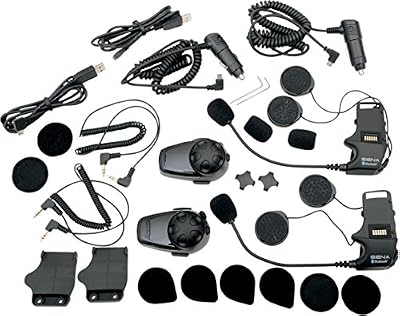
Arrival quality has its own record. One owner had a set with one channel dead right out of the box in September 2025.
Another received a unit with horrible sound that wouldn't switch from intercom to take a phone call, and that owner couldn't find a way to contact the seller about a replacement. Those are the two hardware failures in the recent era, both on arrival, and neither text describes the radios failing later. The counterweights exist: one owner reports the intercom sounds clear, and another simply recommends it.
Pairing four of them is where the age shows
The April 2026 one-star is the pairing account, and it's the most useful text in the recent record. That owner's family rides four-up, found the headsets very difficult to pair four at a time, called the instructions horrible, and watched a YouTube video to learn how to connect more than two. The pain repeats: re-pairing every ride.
Against that, the 2014 account reports the pair arrived pre-linked, which tells you the two-unit experience and the four-unit experience are different products in practice.
The listing's first bullet promises Universal Intercom, talk with headsets not powered by Sena. The details table says Compatible Devices: Sena. No text in the record describes a successful cross-brand link, so treat the universal claim as a claim, not a result.
The Bluetooth row says version 3.0, and that explains a lot. Bluetooth in its common mode is a short-range radio, typically under 10 meters, with up to 100 meters for high-power class hardware, and the 40 to 400 meter figures belong to Bluetooth 5.0, which a 3.0 headset predates, per Wikipedia's Bluetooth revision of 20 October 2026. Intercom makers quote open-terrain best cases either way.
The control rows argue with each other while you read them. One row says touch, one says three physical buttons, one says a jog dial with multiple buttons. The 2014 account mentions the jog dial, so that row is probably the real one, but a table that lists four control schemes tells you nobody proofread it.
The claims nobody in the record has tested
Here's the gap a buyer most wants filled, and the record can't fill it. Eighteen texts, and not one reports an intercom range figure.
The 900 meter claim, qualified on the page as within optimal conditions, has no owner behind it at all. Nobody reports battery life from riding either, so the 12-hour figure rides untested. The voice assistant access and the one-rider music sharing go unmentioned by every owner.
The spec table also claims Active Noise Cancellation on a Bluetooth 3.0 headset whose own bullet claims only Advanced Noise Control, and it carries rows no engineer signed: 2200 ohm impedance, 10000 hertz frequency response, 20 hertz sensitivity. The External Testing Certification row says only Other. None of that proves the headset bad, but it tells you which rows to trust, and the answer is the ones owners repeat.
So the decision writes itself from the record. Two riders who want the same-brand pair, value a decade of long-run accounts, and don't care much about how music sounds have a defensible buy here, with a 2-year warranty as the one paper promise. Four-rider families and cross-brand hopefuls are betting on claims no owner has confirmed, so test the exact pairing you need inside the return window.
The price per rider is the honest cost of that decision, and the comparison table lets you check the band against everything else before you commit.
Frequently Asked Questions
Does it work with other brands?
The bullet claims Universal Intercom, but the details table lists Compatible Devices: Sena, and no owner text describes a successful cross-brand connection. The only pairing account in the record struggles with four Sena units. Test your exact pairing inside the return window.
How far does it really reach?
The listing says 900 meters within optimal conditions. No owner in 18 texts reports any range figure, and Bluetooth 3.0 class hardware typically manages far less than intercom marketing implies. Plan on riding within sight of each other and treat the claim as a best case you may never see.
How long does the battery last?
The spec table says 12 hours with a 2.5 hour charge over micro-USB. No owner reports field battery life. The most detailed long-term text only says they enjoy long battery life. The 2013 firmware note is the closest thing to a battery story in the record, and it's about volume.
What do owners complain about most?
Music sound, in three separate texts across three years: tinny, lame, cheap-feeling speakers. Then pairing more than two units, then two arrivals with dead or defective hardware. No recent text faults the radio link between two units.
Is it worth 152.78 per rider?
That price sits among the most expensive per rider of the 192 intercoms we track, and the specs box on the comparison table shows the live figure. The decade of positive accounts is the argument for paying it. The Bluetooth 3.0 radio, the untested range claim, and the budget pairs available for a third of the money are the arguments against.