Intercom marketing has a way of turning one product into three promises. The Sena 60S ships with WAVE, Mesh Intercom 3.0, and plain Bluetooth in the same box, and each mode does a different job over a different distance. Most listings blur them together, and buyers end up paying for a range figure that only arrives with a ride of six or more.
The 60S is Sena's flagship tier: Harman Kardon speakers and microphones, a blue accent light strip nobody puts in the headline, and a three-year warranty that outlasts most of the competition's. It's also among the priciest units per rider in the 192-intercom comparison we maintain, so the case for it has to come from the group you ride with.
Fourteen written reviews tell most of that story, from a rider on a loud DR650 who hears calls at full speed to the most-endorsed text on the page, which reports two units arriving dead. Between those poles sits everything worth knowing before you spend flagship money.
The Sena 60S earns its keep on audio and group stability, and the review record backs both: a rider reports no dropouts across a full season, and another hears music and calls clearly at full speed on a DR650 with a modified exhaust. The 76 percent five-star share across 563 ratings is the widest support any mode list can ask for.
What tempers it is the price band and the fine print. This sits among the most expensive units per rider of the 192 intercoms we track, the page's most-endorsed review is a one-star describing two dead units on arrival, and two of the newest buyers complain a music feature they wanted has gone missing. The full comparison table shows what the same money buys elsewhere.
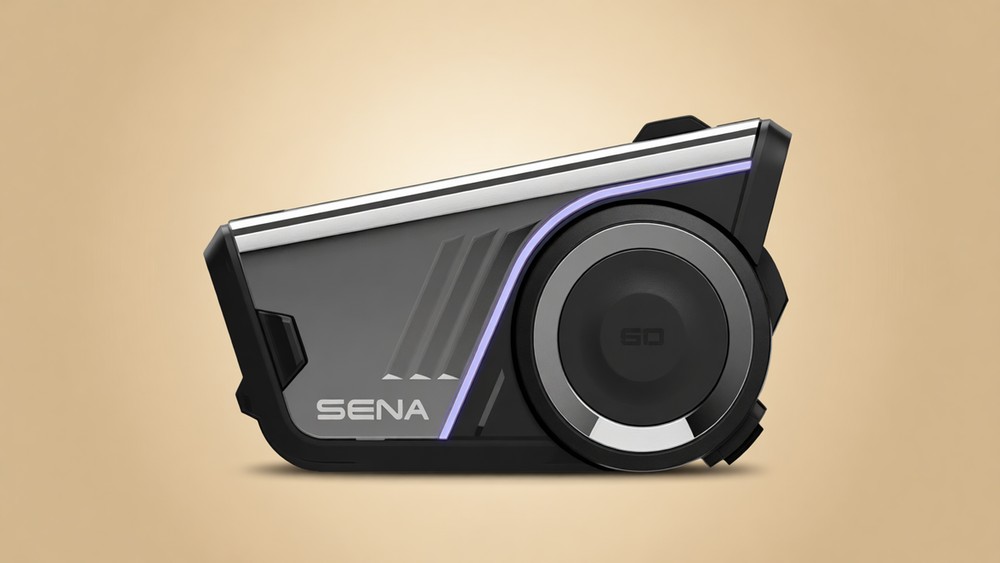
Three modes, and the one the listing never gives a range for
The bullet names the trio plainly: WAVE Intercom, Mesh Intercom 3.0, and Bluetooth Intercom. What it doesn't do is attach a distance to WAVE, and that's the gap worth understanding before you buy.
The range figures on the page belong to the mesh mode. Two riders get 2 km, or about 1.2 miles, and the 8 km, or 5-mile, figure only arrives when six or more units join the mesh. That's how mesh works: every node relays for the others, so a group re-routes around a rider who drops behind a hill instead of losing the link.
That design rewards big groups, which is why the headline range depends on head count.
WAVE is a different animal. The listing describes it as letting riders from virtually anywhere in the world join the conversation, which puts it in phone-network territory rather than radio range, and the page attaches no kilometer figure to it at all. Bluetooth covers the rider-to-pillion and phone-call basics.
Three modes means three sets of behavior to learn, and the one with the marketing shine is the one the listing puts the fewest numbers on.
What the record never tests
No reviewer describes using WAVE, none measures the 24-hour talk-time claim beyond a short 'battery lasts', and nobody reports riding in rain. The claims with the least buyer evidence are exactly the ones a solo or two-rider buyer cares about most, because the deep-range mesh math needs a crowd to matter.
What 563 buyers actually endorse
The histogram sits at 76 percent five-star and 9 percent one-star, and the written record splits along the same line. On the positive side, the specifics are unusually concrete for this class. One rider reports a full season of use with no dropouts after choosing Sena over Cardo because it cost less and the group already ran it.
Another reports hearing music and calls perfectly at full speed on a DR650 with a modified exhaust, which is about the harshest noise environment a helmet speaker faces. A third switched from a Sena 30 and calls the group mesh clear and easy to pair. The bass gets called lacking by the season-long rider, who still rates it five stars on the strength of the voices and stability.
The most-endorsed review on the page
The text with the most helpful votes, 11 of them, is a one-star from August 2025. Its buyer reports two units arriving unable to charge, calls it a bad batch, and tells readers to stay away until Sena fixes it. That's the single most-endorsed data point on the page sitting in the 9 percent.
Read it alongside the dates. The 2025 complaint predates the entire 2026 cohort on the record, all twelve 2026 texts carry purchase confirmation, and none of the 2026 buyers reports the same fault.
One early buyer also describes a gift box arriving coated in something blue and sticky, which is a shipping story rather than a hardware one. Defect batches happen in electronics, and the useful question is whether the pattern continued. On this page's evidence, it didn't.
The recent grumbles are different in kind. Two of the newest buyers, one writing in Spanish, complain that Music Sharing is gone. The listing never advertises Music Sharing, so the complaint is about a platform feature that changed rather than a promise this page broke, and the listing gives no way to confirm the cause.
A three-star from the same month adds blown Harman Kardon speakers after a couple of days of listening, the only hardware failure in the recent cohort.
What the Harman Kardon badge costs
On price per rider this sits among the most expensive of the 192 units in our comparison table, and that's the honest headline. What the money buys is the Harman Kardon-tuned speaker and microphone set, the blue accent light strip on the front face, four swappable covers in chrome, white, black and silver, over-the-air firmware updates, and a three-year warranty that most of the budget market won't touch.
The warranty deserves weight in the math. A three-year commitment on a device that spends its life in weather sets this tier apart more than another mile of claimed range, and it's the seller standing behind the exact failure mode the most-endorsed review describes.
The stock situation cuts the other way: the page showed only one unit left at check, so this ASIN's price and availability may be changing. The current Sena listings are worth a look before committing at this tier.

IPX7 covers a puddle, not a pressure washer
The rating is real and specific: IEC 60529's IPX7 means a headset can sit under a meter of fresh water for 30 minutes and live, and the spec table repeats the figure. That's a dropped-in-the-puddle rating. It is not a high-pressure jet rating, and the standard doesn't stack the way people assume, so a headset that survives a dunk can still lose to sustained driven rain forced into seals.
Nobody in the captured record has tested any of this, which is normal for the class. Treat the rating as the manufacturer's test result, ride the wet days with the expectations the code actually sets, and remember the external antenna and clamp mount are the parts you'll be handling with wet gloves.
Buy it for the group you already ride with
Here's the decision the 60S forces, and the reviews make it clearer than the listing does. The strongest reports come from riders whose groups already run Sena mesh: the season-long no-dropout rider, the convert from a Sena 30, the group-upgrader replacing years of knockoffs. Different brands' mesh doesn't always talk to each other, so the 8-kilometer figure only exists if the six-plus riders around you run compatible units.
Buy the 60S when your regular group is on Sena mesh, you want the audio tier above it, and the three-year warranty matters more to you than the price band. Skip it when you ride solo, because a two-rider ride leaves most of the mesh value on the table, and the Sena 50S covers the pair-ride case for less - or read the 60S dual-pack review first, because the pair rung prices above two singles.
Cardo-heavy groups should stay on their own platform. The reviewer who preferred Cardo and bought Sena anyway because the group rides on it shows exactly how this decision should get made. Check the position on the comparison table before deciding, because the specs box carries the live price-per-rider figure.

Frequently Asked Questions
How far does the Sena 60S actually reach? Two riders get 2 km, about 1.2 miles, on Mesh Intercom 3.0. The 8 km, or 5-mile, figure needs six or more units sharing the mesh, because each rider relays for the others. WAVE, the worldwide mode, carries no range figure on the listing at all.
Can it talk to Cardo or other brands? Over Bluetooth intercom, yes, within the usual cross-brand limits. Mesh is different: mesh vendors haven't agreed on common standards, so the deep-range mesh features are for compatible units, and the review record only shows Sena-to-Sena mesh use.
Is it waterproof enough for heavy rain? It carries IPX7, which under IEC 60529 means 30 minutes submerged in a meter of fresh water. That covers puddle drops and wet-weather exposure at the seals' rating, but it isn't a high-pressure rating. No captured review describes storm riding either way.
Does the battery really last 24 hours? That's the manufacturer's talk-time figure with fast charging and over-the-air updates alongside. The closest the record comes is 'charges quickly and battery lasts'. Nobody has published a measured test, so plan around the claim and charge between ride days until your own usage tells you.
What do buyers complain about most? The most-endorsed review reports two units arriving unable to charge in 2025, and the recent complaints are about Music Sharing disappearing and one set of speakers failing within days. The 2026 record has no repeat of the dead-on-arrival batch.
Is it worth the price over the 50S? When the group is big and already on Sena mesh, the 60S's audio tier and three-year warranty justify the gap. For a rider-and-pillion pair, the 50S delivers the core case for less money, and that's the split the price-per-rider math in our table reflects.