Replacing a silver fish battery looks like the easy case. The pack slides into a bracket on the downtube, the connector is a known style, and the market is full of listings priced well under what the bike brand charges for the same shape. SDTYYP's 48V 21Ah sits right in that crowd at 269.
The trap is not the chemistry. A silver fish replacement lives or dies on millimetres, and the fit evidence on this listing is one order-confirmed buyer writing two words: does not fit. It hands you a single dimension to work with, a 390mm height, and its first bullet describes a whole family of packs without saying which specs belong to this one.
What follows is the check a buyer can actually run: what the record shows, what the 25A-or-30A BMS line means for motor sizing, how the IP68 and 800-cycle claims hold up against the standards they cite, and where the price lands against everything else we track.
A two-word complaint decides this one
At 269 when we checked, the SDTYYP 48V 21Ah works out to about 27 cents per watt-hour for its 1008Wh. That sits in the pricier third of the 301 batteries in our comparison table, so this pack honestly costs more per watt-hour than most of what we track. Don't call it a bargain, and don't let a big amp-hour number do the talking for it.
The table's stored price was higher when we checked, so the live position may read better than the table shows until the next data pass.
The rating is a 3.6 from four ratings, which the star split resolves cleanly: about three five-star votes and one one-star, with nothing in between. Both written texts are order-confirmed, and they could not agree less.
The unhappy text is the whole risk of this category compressed into a title. Its author titled the review In correct fit and wrote two words: does not fit. No bike model, no measurements, no detail about what missed.
The pack may be at fault or the bike may be, and the text doesn't say, but a replacement buyer reads it and understands the stakes immediately.
The happy text is older and just as short. Its title says excellent battery life, and the body calls it a great buy. It went up in late August, and no numbers are attached.
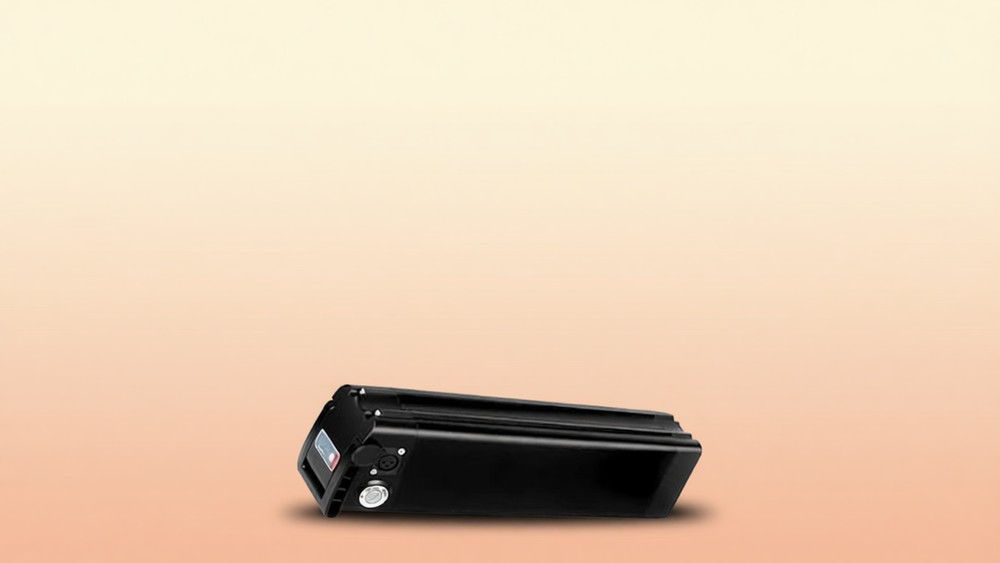
Measure before you buy, because the listing gives you one number
A silver fish pack drops into a bracket, so length, width and connector decide everything, and the common failure is not a bad pack but a pack that never slides in. The title here states a height of 390mm, about 15.3 inches, and that is the only dimension anywhere on the page. No width, no depth, no rail spacing, no connector photo description.
The first bullet makes the guess harder, not easier. It describes 36V and 48V packs at 15.6Ah, 18Ah and 21Ah in one sentence, a family listing where the specs of this 21Ah variant cannot be separated from its siblings. Different capacities in the same shell family often share a case size, but nothing on the page confirms it here.
So run the check the page won't do for you. Measure the old pack's length, width and height, match the connector type, and compare against that 390mm figure on the listing before paying. If the fit question matters to your bike, it's also fair to message the seller for the full dimensions first, because the one fit complaint in the record never got an answer written down.
The BMS question the page will not settle
One bullet says the pack carries a built-in 25A/30A BMS protection board, and the page never picks between the two numbers. The gap matters more than it looks. At 48V, 30A is about 1440W of continuous draw, and 25A is about 1200W, so the two readings differ by a full 240W.
Against the bullet's own claim of 250W to 1000W motors, both readings leave headroom, so the ordinary buyer loses nothing. Where it bites is the reader planning a bigger controller, who cannot verify the pack's real ceiling from the page and has no owner text to lean on, because neither written review says a word about power delivery.
The build facts stated are otherwise plain: an aluminum alloy shell with an ON/OFF switch, a carrying handle, a key lock and LED charge indicators, at a listed weight of 11 lb. The shell is the part the listing pushes hardest, and aluminum does shrug off impacts that crack plastic, which is a fair claim as far as it goes.

IP68, decoded against what the standard actually says
The same bullet calls the shell IP68 waterproof and more durable than plastic. The IP code comes from the IEC 60529 standard, and the second digit carries a specific meaning: an 8 rating covers continuous immersion under conditions the manufacturer shall specify, with test depth and duration agreed with the maker, generally up to 3 meters.
This listing says IP68 and then states no depth and no duration, which skips the part the standard requires the maker to provide. The rating can't be checked, so it shouldn't be counted on. Per the IP code reference, the numbers describe lab tests against water and dust, not a promise about a battery left outside in a storm.
Nothing in the record tests the claim either way. No owner text mentions rain, splashes or submersion, so the honest position is that the shell looks well sealed and nobody has published evidence for it. Treat the pack the way you'd treat any ebike battery: mounted tight, connectors sheltered, and never hosed down.
The 800-cycle promise, next to the category norm
The bullet promises battery capacity exceeds 80 percent after 800 cycles, and the same bullet ends mid-sentence about a battery immobilizer that gets you out of the. Whatever editing the page received, it stopped there, and the cycle claim is the boldest line on it.
Battery University's cycle-life reference puts the manufacturer-specified life of lithium-ion in most consumer products at 300 to 500 discharge and charge cycles, with depth of discharge setting the real count, and notes that makers tend to overrate because few buyers run spot-checks. Holding above 80 percent at 800 cycles would sit far outside that norm, and the page offers no test behind the number.
None of that proves the pack won't last. It means the claim is a promise, not a measurement, and the buyer's protection is the 1-year warranty in the spec table. Charge shallow where you can, avoid parking the pack flat empty, and meter the capacity with a full charge and a known load early enough that the warranty window still covers a surprise.
Frequently asked questions
Will it fit my bike?
The listing states one dimension, a 390mm height, and one order-confirmed buyer reported it does not fit, with no detail about the bike. Measure your old pack and cradle, match the connector, and ask the seller for full dimensions before ordering. Our battery table lists the packs we track with their form factors if you want to compare shapes first.
What motor can it run?
The bullet claims 250W to 1000W motors. The BMS is stated as 25A or 30A, which at 48V is about 1200W to 1440W continuous, and the page never resolves the two. Both readings leave headroom for a 1000W motor.
Is it really waterproof?
The listing claims IP68 but states no immersion depth or duration, which the IEC 60529 standard requires the manufacturer to specify. No owner text mentions water exposure either way, so treat the claim as unverified and keep the connectors sheltered.
Will it still hold 80 percent after 800 cycles?
That is the listing's claim. The consumer norm manufacturers specify runs 300 to 500 cycles, and no test data backs the 800 figure on the page. The 1-year warranty is your real protection.
How long does it take to charge?
The page never states the charger's current, so a charge time can't be computed from the listing. Ask the seller what ships in the box before assuming a figure.