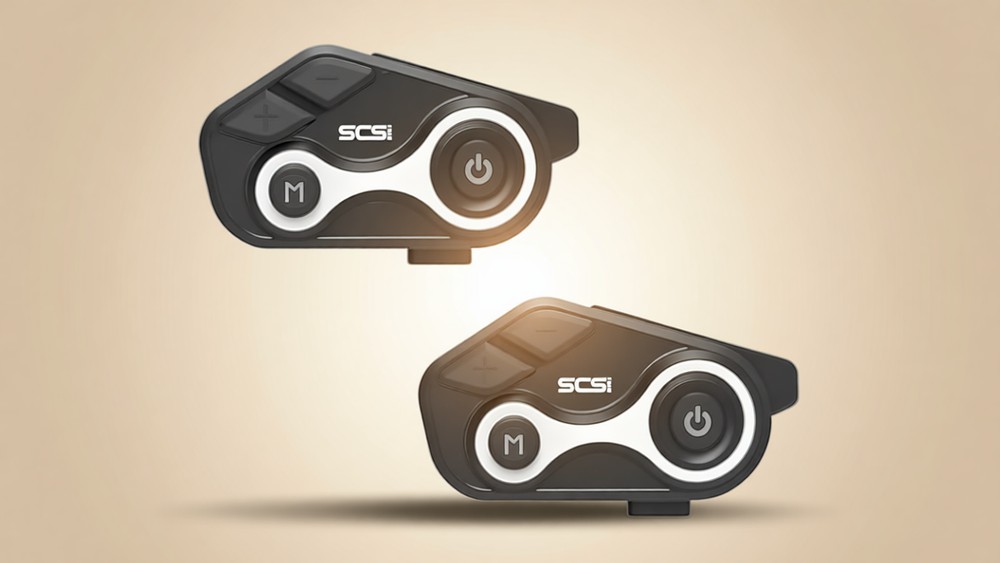
The budget shelf of two-rider intercoms is crowded with listings that promise a kilometer of rider-to-rider talk for less than one helmet unit of a name brand costs. The SCSETC S-8X two-pack leads that shelf's usual pitch: 1000m of range, waterproofing, a 650mAh battery, and two complete units in one box at 56.99. The record behind those claims holds 87 ratings and 53 written texts, and we captured 13 of those texts across both sort orders, 9 of them carrying Amazon's purchase badge and 6 of them written in Spanish.
The listing also argues with itself in places a shopper rarely scrolls to. Its own spec table files this helmet intercom as a pair of headphones, quotes a Bluetooth range of 20 meters on the same page where the title prints 1000m, and lists a warranty of 1 with no unit named.
Two things decide whether a budget two-pack is worth its shelf space, and neither is visible in a listing. The pair has to link across real distance with helmets and engine noise in the way, and it has to pair on day one without a fight. The record answers both, once by measurement and once by a cluster of recent failures.
The short version. The SCSETC S-8X 2-rider intercom 2-pack buys a working two-helmet link at about 28.50 a helmet, which lands close to the middle of our intercom comparison table, and owners report clear calls and an install kit that ships everything needed. It does not buy the printed 1000m. The only owner who has measured open range reached 1330ft, about 405 meters, and pairing failures fill the newest texts. The sections below put numbers on all of it.
The 1000m claim, checked against the record
The claim is printed twice on the page, in two different sizes. The title sells 1000m of two-rider conversation. The spec table's own Bluetooth Range row says 20 meters, and the same table names Bluetooth Version 5 while bullet two says wireless tech 5.3. One of those rows describes the phone link and one describes the intercom link, but the page never says which, and the two Bluetooth versions cannot both be right.
The category's numbers work like this. Bluetooth 5 as a radio standard reaches 40 to 400 meters at best with full line of sight, and about 10 meters in the low-power mode phones actually use. Intercom makers quote the top of that band. Every brand's box number assumes open sky, and every brand's real-world number lands below it.
What separates the S-8X from most of its shelf is that one owner has done the test. This is an owner who has used five different headsets for skiing, writing about this set in April 2025. On an open trail, full line of sight, cloudy with no rain or snow falling, the link held to 1330ft. That is about 405 meters, roughly forty percent of the printed claim. The same account describes static rising as the distance grows, until questions needed repeating, and noise creeping in when the two units sat within about 10 feet of each other. Another owner, writing in July 2025, says the link sometimes drops signal for no reason they could name.
Plan around the measured number, not the printed one. If your riding needs bike-to-bike talk at half a mile, no budget two-pack has shown it, and this one has specifically not. If your passenger sits behind you, distance stops mattering and the 1000m line stops mattering with it.
A spec table that files an intercom as headphones
Amazon has filed this listing under headphones, and the spec rows read like a template that never met the hardware. Impedance reads 0.1 ohm. A real headphone driver sits between 16 and 32 ohms, and a 0.1-ohm load would sit near a short circuit. Three rows describe the ear placement, and they name three different shapes: in ear, on ear, and over ear. Control Type says button and Control Method says touch, though no touch surface appears in any bullet or any owner account. Built-In Media lists FM radio and GPS, on a two-button intercom whose GPS feature is named nowhere else on the page.
The waterproofing claim follows the same pattern. The title prints Waterproof with no code attached, and no IP rating appears anywhere on the listing. The IP code exists so a maker can state which test a product passed, jets or immersion, and this listing names no test at all. The single-unit S-8X listing in our SCSETC review claims IP67 outright, so the family may well hold a rating, but this listing asks you to take waterproof on faith.
A few rows do decode usefully. Item weight reads 1.76 ounces, light enough to forget a unit is bolted to a helmet. The battery charges in 2 hours. Fifteen volume power levels sounds like spec-sheet padding, but it squares with an owner report that the volume runs loud, which we come back to.
The warranty row reads 1. Not 1 year, not 1 season. A bare numeral, on a listing whose one recorded hardware failure is a charging connector.
Pairing is where the newest records fail
Three of the four newest English texts in the record describe a failure, and two of them never got past setup. An August 2026 owner writes that they couldn't get the units paired at all. An April 2026 owner charged both units first, put them on the helmet ready to ride, and found they didn't work. A second April 2026 owner got the intercom working but couldn't make music sharing run across the pair, and asks whether one unit might be defective.
Against that stands the deepest setup account in the record. A snowboard owner writing in March 2025 paired both units on the first try by holding the M button on each until intercom pairing mode opened, then letting them find each other. The same account praises the physical buttons for satisfying clicks and notes the units announce battery life on request.
So the record argues with itself about pairing, and the honest read is that it works until it doesn't. When it works, one button does the job. When it fails, nothing in the listing tells you what to try next, and the missing operator's manual (one 2025 owner calls its absence a big issue, while a 2026 owner finds the small instructions manageable) leaves you with no second path.
Music sharing deserves its own warning, because it is the one feature with a specific failure account and no success account anywhere in the record. If you want one rider's music in both helmets, this pair has not demonstrated it.
What the record praises, and what nobody tested
The praise pattern is consistent where it appears. A March 2026 owner reports calls coming through clear, without the tin can effect cheaper units usually carry, and calls the price fair for what arrived. The Spanish texts agree on the battery: one December 2025 owner calls it very good, a July 2025 owner says it lasts, and a January 2026 owner forgives the set's small errors because of what the pair cost. Nobody has reported actual hours per charge, so the 10-hour bullet stays an untested claim, as does the 30dB noise-control figure in bullet three.
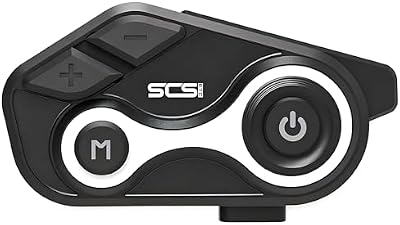
The install kit earns its own line. The March 2025 account lists what ships: sticky 3M pads, mounting brackets or metal clips depending on preference, speaker backs with Velcro so they grip a helmet liner without adhesive, a bendable boom mic and a button mic, and two USB-C to USB-A cables. That is a complete kit for two helmets, and it matches what a first-time installer needs.
Two cautions run through the praise. The volume runs high enough that one owner recommends an audio test before setting off down the hill, and the January 2026 owner reports the set does not save the last volume setting between rides. Loud noises make the speakers crackle a little, by the snowboard account. Two texts call the microphone quality low, including one unverified one-star that says the other rider could not hear them at all.
One hardware failure stands in the record. An October 2025 owner, purchase-badged, reports the male USB-C connector gave out while unplugging a headset to charge, leaving part of it inside the port, with the headset itself otherwise fine. Their question was how to buy a replacement part. The warranty row on this listing names no term, so the account ends where a support story would start.
The FM radio claim splits the record. The January 2026 owner states the set has no radio. The April 2025 ski account says they tested the FM radio and heard the left and right channels sitting slightly off balance. Both owners may be right about the units in front of them. Neither text can be checked against the listing, which claims the radio only in a spec row.
And one absence worth naming plainly: no text in the record reports motorcycle use. The two sport accounts are skiing and snowboarding. The parachute use in bullet one and the high-speed mic claims in bullet five sit unexercised.
A mid-table price buys a two-helmet link
At 56.99 for two units, the price per helmet is about 28.50, and that sits close to the middle of the 192 intercoms we track on price per rider. It is not the cheapest fifth of the table, and it is nowhere near the name brands. One Cardo or Sena helmet unit costs more than this whole pair, which is the entire argument for listings like it.
What the price buys, by the record: a two-helmet link that pairs in one step when it pairs, clear calls at moderate speed, a complete install kit, and a battery nobody has faulted. What it does not buy: the printed range, group talk (the snowboard account states plainly that it is only for two people), music sharing, a stated warranty term, or any independent evidence of motorcycle use.
The evidence has a shape worth knowing before you order. The two deepest accounts in the record, the range measurement and the install walkthrough, carry no purchase badge. The purchase-badged texts are short. That does not make either group wrong, but it means the record's best information comes from the least verifiable texts, and the rating, 3.9 from 87 with about a fifth of raters at two stars or fewer, is the most trustworthy number on the page.
If your case is a rider and passenger on short rides, this pair fits it, and the price is fair for that. If you need verified distance, group talk, or a warranty with a unit attached, look one shelf up. Our Cardo Packtalk Neo review covers what the entry tier of a name brand costs and carries.
Frequently asked questions
Does the S-8X really reach 1000 meters?
The only measured account says no. An owner tested open range on a trail with full line of sight and reached 1330ft, about 405 meters, with static rising past that. The Bluetooth standard behind the link tops out at 400 meters in its best case, so the printed 1000m is a marketing ceiling, not an expectation to plan around.
Is it waterproof?
The listing says Waterproof and names no IP code, which means no stated test sits behind the word. The single-unit S-8X listing claims IP67, so the hardware may hold a rating, but this two-pack listing gives you nothing to hold it to. No owner in the record mentions rain.
Can it do group talk or pair with other brands?
No group talk. The record's deepest account states the pair is only for two people, and the spec table names no group mode. Nothing in the listing or the record shows pairing to other brands, so treat the universal pairing language in the title as unproven.
How long does the battery last?
The listing claims about 10 hours from the 650mAh cell, with a 2-hour charge. Three owners praise the battery in general terms, and none reports hours. The units announce battery life on request, so you can check the charge level before you set off.
What does the warranty cover?
The spec row reads 1 with no unit, so the listing states no term. One owner's connector failure account ends with them asking where to buy a replacement part, which is the outcome a warranty exists to prevent. If coverage matters to your purchase, check current two-rider intercom listings for a stated term before you order.