Bikes with the battery built into the frame do not let you shop the category. You cannot browse a table of downtube packs and pick a winner, because the mount, the connector and the case shape are all proprietary. When the original pack wears out, you buy the replacement your bike's brand sells, or you buy nothing.
The OUXI 48V 15.6Ah replacement pack exists for exactly that situation. It is the spare battery for the OUXI V8 and V8MAX, sold by the brand's own listing at 199.99, and the listing itself is two bullets long.
I read the whole page, the gallery images and the review record for this writeup, and the honest summary is that it tells you almost nothing you can check before the box arrives.
One rating, and nobody wrote a word
The review page shows 5.0 out of 5 from a single global rating. The histogram prints 100 percent five-star, which is what one five-star rating looks like when Amazon renders it. There are no written reviews at all, so there is nothing to quote, nobody's install to learn from, and no failure report to weigh.
That record cannot carry a verdict in either direction. It tells you one buyer was satisfied enough to click five stars, and it stops there. Nobody has reported a metered capacity, a range figure, a charge time they measured, or a pack that died.
The stock counter reads only 6 left at the time I checked, so the listing is either selling slowly or about to vanish, and in neither case is a crowd forming behind that lone rating.
I'd add one more caution about single-rating records. An average built on one data point has no spread behind it, so it can't warn you about the two failure modes that matter most on a cheap pack: a cell group that sags under load, and a board that cuts out at half the amps the title implies. Those problems only show up in a written record, and this one doesn't have any words in it to read.
The numbers the listing leaves out
Most budget battery listings overshare. This one undershares everything except capacity. There is no BMS amp figure, no motor watt range, no weight, no dimensions, no charge time and no charger amperage anywhere on the page. The gallery holds five photos with no specification card among them.
Each missing number costs you a real check. Without board amps you cannot confirm the pack can run your motor.
Without dimensions you cannot confirm it fits the bay. Without weight you cannot run the math that separates a real lithium pack from an overstated one. Without a charge figure you cannot plan anything around it.
So put the three questions to the seller directly, in one message, before you pay: what's the continuous BMS rating, what are the pack's dimensions, and what does the whole thing weigh.
A seller who answers those three in writing has told you more than the listing does, and you'll have the answers on record if the box doesn't match. A seller who dodges them has answered a different question, and you should believe that one.
There is one detail row that sums the whole listing up. The Included Components field reads no, which looks like a data-entry stub rather than a statement about the box. Treat it the suspicious way: assume the pack ships alone, and expect nothing else until you unbox it.
The title says 15.6, the details say 15
The one number the listing does commit to, it commits to twice with two different values.
The title says 15.6Ah. The details table's capacity row says 15 amp-hours. At 48 volts, that is the difference between 748.8 watt-hours and 720, a spread of 28.8 watt-hours, about 4 percent.
It is a small disagreement, but it is the listing grading its own homework. At 199.99, the pack works out to roughly 27 to 28 cents per watt-hour depending on which capacity is the real one, which sits in the middle of the 324-row price-per-watt-hour comparison table we keep. You are paying a middle-of-the-road price for a pack whose middle-of-the-road capacity the seller cannot state consistently.
When a listing cannot keep one number straight between its own title and its own details table, every other claim in it deserves the same doubt.
Fitment is the entire purchase
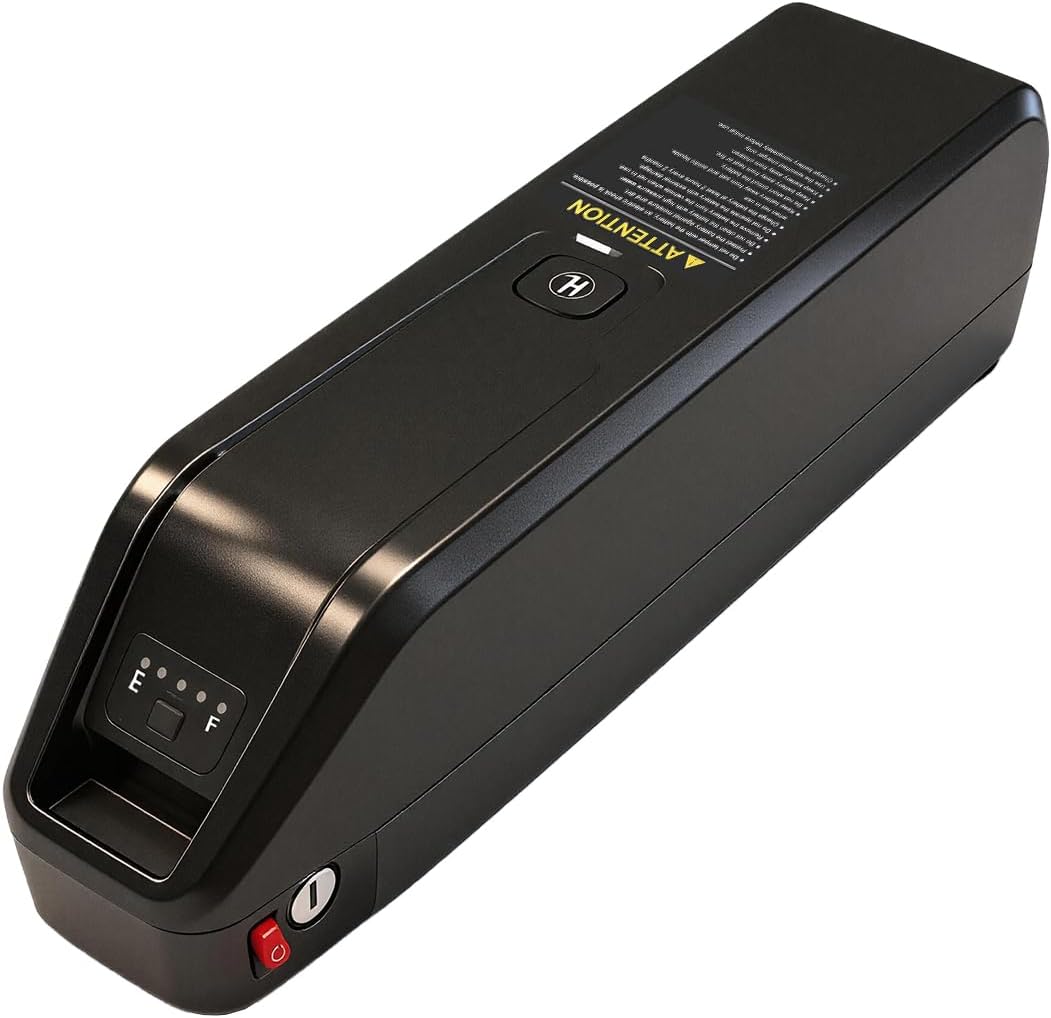
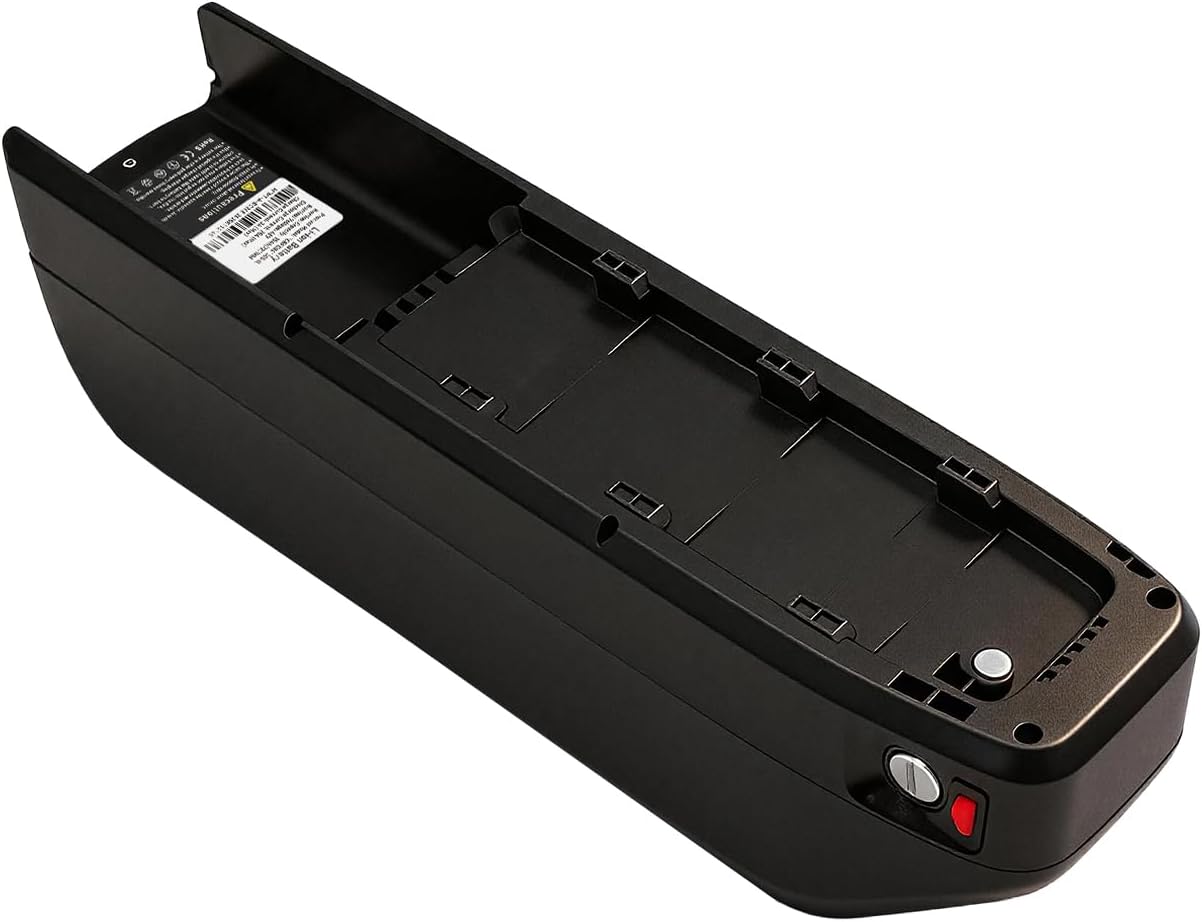
The listing's only emphasized instruction is its second bullet, and it is a good one: before you order, make sure your original battery base matches the one shown in the listing's photos.
That note is the correct advice for any pack made for one bike's own mount. It is also the only fitment information the listing gives, because no base dimensions are printed anywhere. The gallery photos are the only reference you get.
So do the work the listing skipped. Photograph your bike's base plate and mount from two angles, then compare what you see against the gallery photos on a full-size screen.
Confirm the discharge connector style, because a pack that bolts on but speaks the wrong connector is a return waiting to happen. If any part of the mount looks different from the gallery, message the seller with your photos before paying, and keep the conversation in writing inside the return window.
The title also carries a UL 2271 claim, which is the safety standard for light electric vehicle battery packs. No certifier is named, no certificate number is printed, and nothing on the page links to a document. That makes it a claim like any other on this listing, worth asking about rather than trusting.
This is the same trap we flagged on the LOCKBUS 48V 13Ah built-in pack: integrated mounts turn a battery purchase into a parts-matching job, and the seller who knows the least about your bike is the one selling the part.
Frequently Asked Questions
Will this pack fit my OUXI V8 or V8MAX?
The listing says the pack is built for those two models, and its own note tells you to verify the base plate against the gallery photos. Do that check with full-size images of your bike's mount. The listing prints no dimensions for the pack or the base, so the photos and a message to the seller are all you have.
How long does it take to charge?
The listing does not say. If a 2A charger ships, which is the common brick at this price, a 15.6Ah pack needs about 8 hours from empty. Read the label on the charger when it arrives and plan around the amps it actually prints.
Is 15.6Ah enough capacity?
748.8 watt-hours at a typical 15 to 25 watt-hours per mile of assist delivers roughly 30 to 50 miles, and less at full throttle on a heavy bike. For a commuter V8 that is a solid day of riding, and it is a reasonable capacity for the class.
Should I trust the UL 2271 claim in the title?
Treat it as unverified until the seller produces a certificate. The title names the standard but no certifier, no file number and no document link. A seller who has actually been through certification can usually produce the paperwork on request.
What warranty does the pack carry?
The details table reads 1-Year with no conditions printed beyond that. With a record of zero written reviews, no buyer has described a claim on this pack, so the warranty is untested in public. Run a full charge, a fit check and a range check inside your return window regardless.