A second visor in the box, and a quick-change method (tool-free) to switch between them, completely alters the financial equation for full-face helmets. Virtually all budget lids force you to either buy the tinted shield separately or spend your time squinting into sunlight glare.
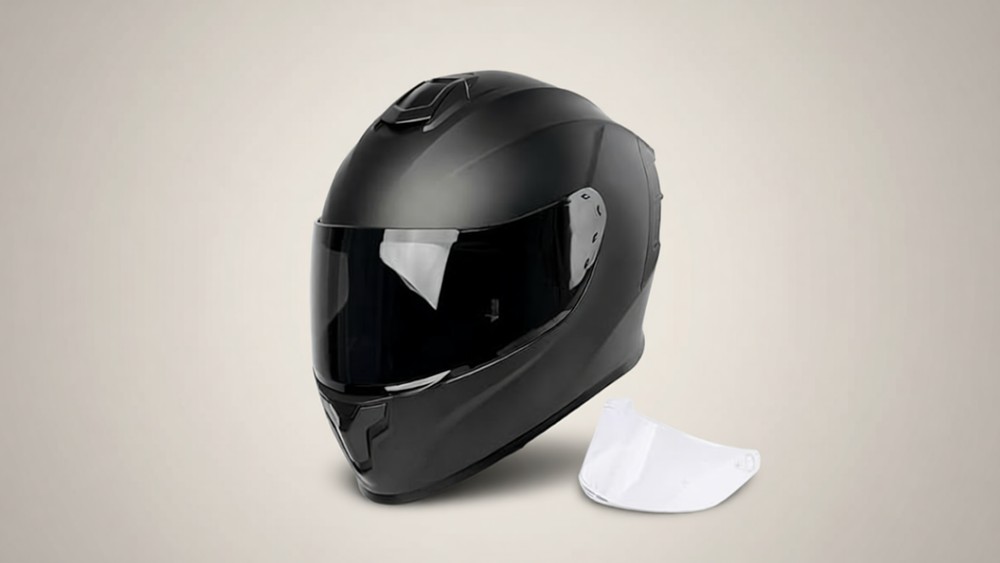
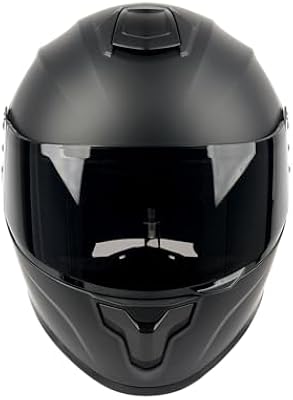
The Orthrus full face offers a tinted visor for daytime riding, a clear one for nighttime, and a tool-free quick-release to rapidly swap out between the two. All of these features are built atop a 4.6-star rating based on 81 reviews. That's why we're looking at it.
Safety and Build Quality
DOT approval simply indicates the manufacturer self-certifies to FMVSS 218 and the federal government occasionally audits afterward rather than verify each lid individually. Every DOT-approved helmet, regardless of price point, has been approved using this process. According to the manufacturer, the Orthrus incorporates an ABS shell with an EPS foam inner layer. We could find no contradictory information about certifications in the reviewer comments.
In general, an ABS shell provides a lightweight solution to improve crash energy absorption capabilities at lower costs. While a fiberglass or composite shell from a high-end manufacturer represents superior engineering, the only comparison worth making with a budget lid is how well it compares against riding with a broken, damaged, or past-expiration-date helmet. At this price point, this helmet is clearly a better option.
Fit and Daily Comfort
Comfort-wise, the 3D molded inner layer is the best part of the helmet. It was designed to be shaped more than flat cut and is removable for washing. If you've ever washed off the stinky, stale interior of your winter lid with a garden hose and soap, you'll appreciate the ability to remove it. The breathable padding consists of sponge covered in stretchy elastic material. Buyers with oval-shaped heads report having a good fit to their actual measurements, however, some small number of buyers reported that the cheek pads were tight when new. Generally speaking, as you "break in" your helmet, cheek pads tend to loosen up slightly (by approximately 10 to 15%) within the first week or so.
Air flows from front-to-back via multiple air vents in sufficient quantities for both urban commutes and highway driving. However, there's no doubt you'd notice a difference in airflow during long periods of idling in warm weather traffic compared to a higher-end sport lid. In terms of temperature management, it works just fine for typical weekend trips and weekday commutes.
What Do Amazon Reviewers Say About This Lid?
There are currently 81 reviews of this lid, averaging a rating of 4.6 stars, and they're almost entirely positive. Praise repeatedly mentioned include that swapping out between the two shields is truly tool-free, that the tinted shield blocks sun glare perfectly without distorting vision, and that it tends to run quieter than most other lids in its class, although it still generates some wind noise when cruising down the highway. Again, that's typical of all lids except those bearing the Shoei or Arai logos.
As with virtually every other entry-level lid reviewed on our site, complaints revolved around budget-lid issues. Some users reported being unsure about sizing (with XL fitting smaller heads), and others said they desired greater airflow through the vents in warmer weather conditions. Only a few users reported scuff marks upon receiving their lids, again, that was likely due to shipping materials rather than an issue with quality. There doesn't appear to be any common theme suggesting structural problems or certification issues with this lid, and given that there were 81 reviews in total, issues like those typically show up before then.
Who Should Consider Purchasing This Helmet?
This helmet should be purchased by anyone who has recently obtained their motorcycle license. As you gain experience, your first helmet takes more damage than later ones, and the low price is pretty affordable for developing your skills. Additionally, commuters may purchase this lid as an inexpensive replacement or backup, passengers will appreciate it as a reasonable loaner option, and even scooter riders can get additional protection without breaking the bank. See the current color and size selection here.
You shouldn't consider purchasing this helmet if you intend to ride extremely aggressively every single day, if you can afford high-end composites, if you need integrated communication systems, or if you prefer transitional visors (it does neither).
Compare your options on our helmet table and read more on the blog. The NHTSA provides guidance on what DOT certification guarantees (and does not guarantee) regarding helmets.
Check the current price on Amazon, because inventory levels and available colors can fluctuate frequently.
Frequently Asked Questions
Does This Helmet Meet DOT Certification Standards?
Yes, the seller states that this lid meets DOT FMVSS 218 compliance. Since DOT is essentially self-certification by manufacturers followed by occasional spot checks by government agencies, exactly the same process used by every US helmet manufacturer, remember that DOT certification really isn't something that provides much assurance.
How Do You Switch Visors?
Swapping visors on this helmet is truly tool-free. When switching between them for the first time, it'll take maybe five minutes. Both visors (clear and tinted) come in the box.
Does This Helmet Fit True to Size?
Generally speaking, yes it does, especially for people with round-oval head shapes. One buyer did complain about finding his XL size too tight for his larger-than-average-sized head. Always measure your own head and consult the manufacturer-provided size chart to avoid making assumptions.
Will This Helmet Keep Me Cool and Quiet at Highway Speeds?
While quieter than many other budget-priced lids of similar design, it's still going to produce noticeable amounts of wind noise at highway speeds. Regardless of price, that's always true unless you've got a Shoei or Arai sticker plastered onto it somewhere.
Can I Wear Glasses with It?
The eye port accepts most standard glasses and sunglasses frames, and riders report seating them behind the visor without trouble. Very bulky sport-style frames can press into the padding on long rides.
How Does It Hold Up Over Time?
The 81-review sample has not surfaced a dominant long-term failure pattern. The visor mechanism is the part that sees the most use, so treat the quick-release tabs gently and the shields should keep swapping cleanly for the life of the lid.
Is It a Good First Helmet?
It fits that role well. The low price softens the blow of drops and garage tip-overs that claim most first lids, and the dual visors cover a new rider's early morning and night rides without extra purchases.