Most budget full face helmets get bought in one of two ways. Either the rider measures their head and orders off the chart, or they order the size they always order and hope. This listing is one of the few at this price that prints a real size chart, so the difference between those two buyers actually shows up in the record.
The record itself is deep for a budget shell: fifteen written reviews carry text, all fifteen carry Amazon's purchase badge, and the listing holds 4.6 stars across 1,273 ratings. When a record is that long and that clean, the small disagreements inside it become the most useful thing on the page.
This article walks through those disagreements. The visor count comes first, because the listing sells different boxes under different color codes. Then the sizing cases, the wind noise, the crash-adjacent texts, and what a 4.3-pound spec row is really measuring.
The short verdict: the JQF Gear WS-607 is a DOT full face at 69.95 with a real size chart, and its price sits in the cheaper third of the 257 helmets in our comparison table. Its one repeating physical complaint is wind noise, and its one ordering trap is printed in the color code.
Fifteen owners and one pre-delivery review
Every text in this record carries the purchase badge, which I do not see often. What I see often instead, on thin records, is a cluster of unbadged texts that restate the bullet list. This one has none of that.
The record also contains something I have not seen before: a five-star text written before the helmet arrived. The buyer says they have not got it yet, and then the text turns into a warning from an earlier crash, nine months back, that put them in a coma for two weeks and a hospital for a month. Their line is to never ride without proper gear.
That account says nothing about this helmet's performance, because the sender had not worn it yet, but it does tell you what the stakes are for the reader who is deciding whether a budget shell is enough.
One other text touches a crash: a four-star owner says the helmet saved their life and gives no details at all. That is the whole text. I count both accounts honestly and carefully: neither describes what this helmet did in an impact, so the record neither supports nor contradicts the safety copy on either.
The rest is fit notes, visor notes, and a year of use.
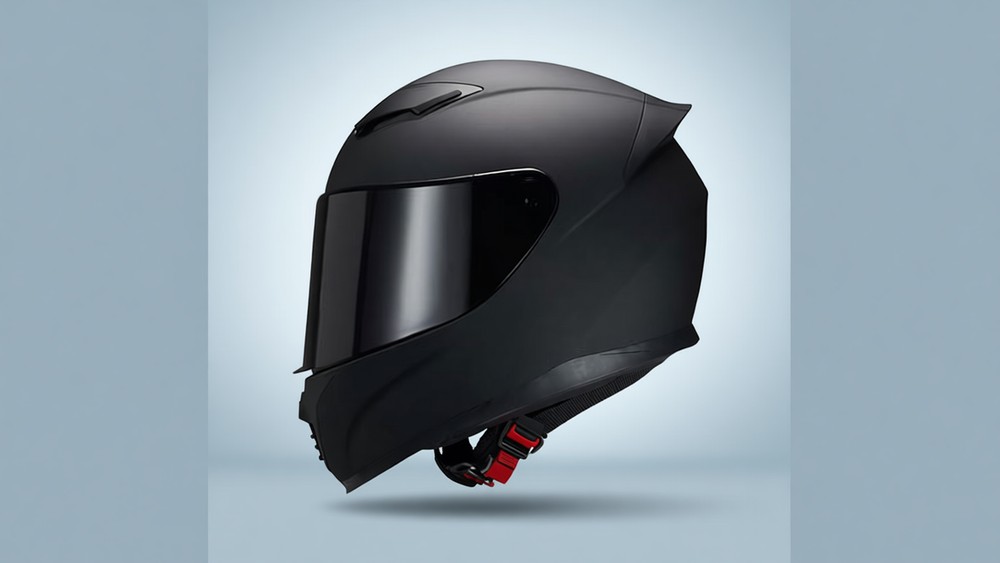
Which visors ship depends on the color code
Bullet three on this listing is the most useful sentence on the page, and it is easy to read past. It says two visor combinations exist.
Colors with no trailing letter ship with a clear visor only. Colors ending in B ship with clear plus black. The variant page in front of me is a Cube, which by that decode is a clear-visor-only listing.
The owners' texts split exactly along that line, which is how I know the decode matters. One owner describes swapping the tinted visor out for the clear one at night.
Another reports both visors and calls them sturdy. A different owner bought the matte black with clear visor and says the clear does not look dumb, which is its own kind of reassurance. A fourth calls the dark visor amazing during the day.
So before you order, read the color code you are clicking. If you ride after dark, the B variants are the ones that ship with both visors, and the record shows owners using exactly that swap. If you already own a dark visor or plan to buy one, the clear-only variants are cheaper ways into the same shell.
One owner adds a caveat worth carrying: the visor can feel a bit cheap when adjusting. Set that beside the sturdy verdict above and you get the real split: the panels hold, the mechanism feels budget.
The size chart is the tool, and one owner proved it
The listing prints head-circumference ranges for all five sizes, from Small at 21.6 to 22 inches up to 2XL at 24.8 to 25.3. Most budget listings make you hunt for that or leave it out. This one puts it in the spec table.
The record's best sizing story shows why the chart matters. One owner ordered their habitual XL, the same size as the other eight helmets they own, and found this particular XL ran like a small in their eyes.
The refund came back with what they call an extremely quick turnaround. They reordered a 2XL and report it fits perfectly.
That case cuts both ways, so let me be precise. It is evidence that at least one XL ran small for one head. It is also evidence that the chart, once used, resolved the problem on the first retry, because a head that needed 24.8 inches or more was never an XL on this chart.
A second owner measured their head, ordered a Small, and calls it a perfect fit. A third, who bought the helmet used like new, says it fits true to size.
Three data points do not make a pattern, and I will not pretend otherwise. What the record supports is the boring advice: measure your head, match the number to the printed chart, and do not order by habit. The one buyer in this record who ordered by habit is the one who shipped a helmet back.
Wind noise is the complaint that repeats
Two texts raise wind noise, and they are the only physical complaint in the record that appears twice.
The first is the top-voted text in the whole record, at four helpful votes, and it comes from a year of use. That owner says the wind noise is well there and the helmet could be quieter. They also report they used it a ton last year, that the quality could be better, and that they would buy it again, which is about as honest a mixed verdict as a budget helmet gets.
The second is more specific: the bottom of the helmet toward the chin lets wind noise come in, though that owner adds it is not too bad with low-profile noise-cancelling earbuds. Both accounts agree the noise enters low, around the chin bar, which is where a full face helmet has to stay open for your mouth anyway.
I will not translate that into a speed number, because no owner gives one, and the old version of this article used to claim a roar above 60 mph that no owner ever reported. What the record supports is simpler: if you are sensitive to wind noise, plan on earplugs or earbuds the way these owners did.
What the record says about crashes, and what it cannot
The bullets claim the shell meets or exceeds DOT FMVSS 218, and the spec table carries no separate certification row. In the United States, DOT compliance is a self-certification: the manufacturer tests its own helmet and attests to the result, and no independent lab touches it before it ships. (Wikipedia, Motorcycle helmet)
Two things in the small print sit next to that claim. The warranty row reads No, while the last bullet promises help and a solution within 24 hours if you contact the seller. Those are different things: a service promise is not a warranty, and the row is the honest one about what the company commits to in writing.
The other small print is the weight. The weight row says 4.29 pounds, but the package weight row says 1.95 kilograms, which is 4.30 pounds. Those are the same figure twice, so the weight row is probably measuring the box, and the owners back that up: one calls the helmet light and another says it is light weight. I would not plan around 4.3 pounds on your neck.
The record cannot tell you how the shell ages past the top-voted owner's year, because nobody else reports long-term use. It also says nothing about the vents, the removable washable lining, or the quick-release strap. Those are claimed in the bullets and confirmed by nobody, so treat them the way I treat the mask claims on cheaper listings: plausible, unverified, and not worth paying extra for.
If you want to compare against the deepest full-face record we have rebuilt, the GLX GX11 full face costs a bit more and carries four crash accounts, which is a different kind of evidence than this listing offers.
Frequently asked questions
Which visor do I get?
It depends on the color code. Colors ending in B ship with clear plus black visors, and colors without it ship with clear only. Read the code before you click, because the record shows owners relying on that second visor for night rides.
What size should I order?
Measure your head circumference and match it to the printed chart, which runs from Small at 21.6 to 22 inches up to 2XL at 24.8 to 25.3. The one owner in the record who ordered by habit had to swap sizes.
Is the helmet heavy?
The spec table says 4.29 pounds, but that matches the package weight exactly, and owners call the helmet light. Treat that row as probably measuring the box.
Is it quiet?
No owner says so outright. The top-voted text says the wind noise is well there and could be quieter, and a second owner traces it to the bottom edge near the chin. Both managed it with earbuds or accepted it at the price.
Is the DOT certification independently tested?
No. FMVSS 218 is a self-certification standard, so the manufacturer tests and attests, and any government checks happen later on helmets bought at retail.
The JQF Gear WS-607 on Amazon carries the live price and the full color list. Buy it with the chart, pick your color code by which visors you need, and budget for hearing protection.