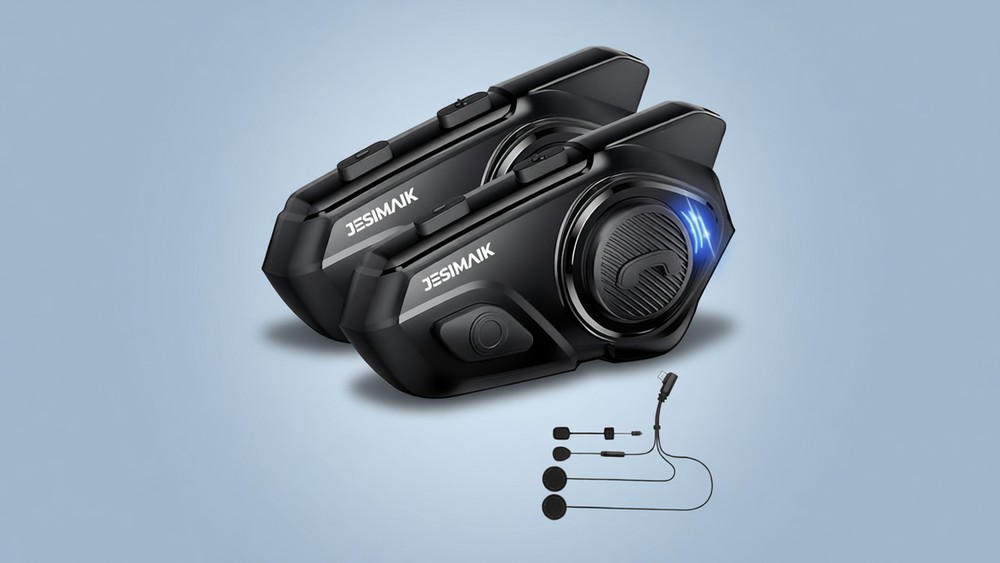
The biggest owner pool in the class settles the R16 Pro's split: install and pairing are the easiest in the budget field, and the speakers die above 50 mph. At 75 a seat with IP67 and dual Qualcomm chips, that is a real trade, not a scam. City and backroad riders under highway speed win here. Groups up to six thrive.
What the biggest pool in the class says
With over two thousand buyers, the complaints stop being random stories and become a map of how the hardware holds up over months. Most riders find the install simple and the pairing reliable, including self-described non-technical people who usually dread gadget setup. You don't need a manual to get a group talking. The pool size turns the known flaws into predictable traits instead of bad luck.
The flaw the pool keeps returning to: the small speakers lose the fight with wind above fifty miles per hour. Volume-at-speed patterns show budget units losing clarity as air rushes the helmet, and one owner calls the highway sound terrible because the volume won't cut through. If you ride fast, expect to strain.
The pool also documents the speakers fading after a season of heavy use. That is small-driver physics bought at a low price: the parts that keep the cost down are the parts that wear. Budget buyers accept this trade for the feature list, and at 75 a seat the trade is at least priced honestly.
The fix for the highway problem costs nothing and works on most helmets: move the speaker pads inward until they touch your ears, then check for helmet pressure points. Speaker placement is worth checking before you blame the drivers, though the pool reports the problem often enough that placement is unlikely to be the whole story. A thin pad set behind the driver takes up slack and holds it closer to the ear. Do this before you conclude the hardware is weak, and the pool's complaint may not be yours.
Decoding the 10-way claim and the 2KM number
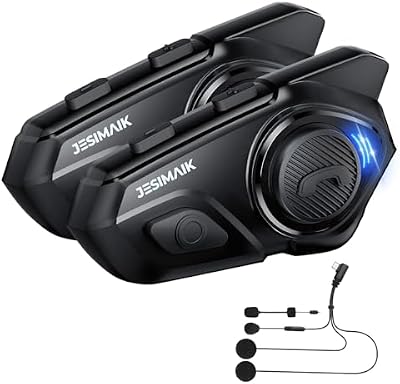
The ten-way claim works as a protocol shape, but comfortable groups run four to six riders before the chain gets flaky. The two-kilometer claim decodes to six hundred to a thousand meters in broken terrain, which holds a tight pack together and vanishes when your group spreads across lanes. Ride close and the link holds.
Dual Qualcomm chips make multitasking real: music, GPS, and calls run together instead of switching. Single-chip units fake this by pausing your song for every turn instruction, and the dual-chip design avoids that stutter. For commuters who live in navigation, this is the feature that justifies the purchase over cheaper singles.
The audio mixing has one behavior worth knowing before you ride. When a call comes in over the music, the chip ducks the music instead of muting it, so you keep a sense of the song under the conversation. Voice prompts from navigation sit in the same mix at a louder level, which means turn instructions punch through without killing your playlist. It is a small engineering choice that you notice every day, and it is the reason dual-chip units feel calmer on the road.
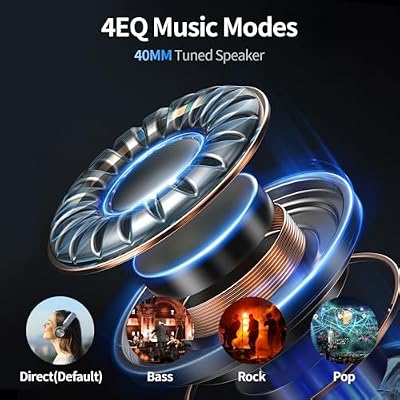
IP67 covers rain and dust fully, which pairs well with the easy install: you set it once and stop thinking about weather. But the same small drivers that keep the price low are why the highway complaint exists, so the weather seal and the volume ceiling come from the same design choice.
The battery side is a gap rather than a clean bill: the listing publishes no capacity, and the review pool says nothing about endurance. That matters because speaker volume and battery life fight each other in small units: turning the volume up drains the cell faster, and this pack would rather keep the day long than the last ten decibels. Riders who need loud choose bigger-driver units and shorter days.
Who should buy it, and who should spend differently
Buy it if you carve city streets or backroads with four to six friends, want setup that never fights you, and need the rain rating. The dual-chip multitasking makes it a strong commuter unit.
A test plan for the first week protects the purchase. Pair both units in the driveway and walk them apart until the audio breaks, which gives you your real range number. Ride your actual commute with the volume at maximum and decide honestly whether the voices survive it. Check the speaker mounting: a pad pressed tight against the ear adds several decibels for free, and some of the highway complaints in any pool trace to loose speaker placement rather than weak drivers.
Skip it if highways above 55 mph are your routine, because the verified complaints concentrate exactly there. Skip it too if you want mesh self-healing or a proven ten-rider deployment. The FreedConn Free+ is the budget mesh alternative, the PHXIN T9S Ultra shows the 10-way claim decoded another way, and the YTerrix Q4 carries the same volume ceiling for less money. Compare them all on the intercom table and see the current R16 Pro listing.
Frequently Asked Questions
Can it really connect 10 riders at once?
The protocol supports ten, but groups of four to six are far more stable. Longer chains drop more often as the signal hops.
How far does the 2KM range actually reach?
Plan on 600 to 1000 meters in broken terrain or cities. The link drops when riders drift apart, which is normal for Bluetooth-class intercoms.
Can I hear the audio clearly at highway speeds?
City speeds are fine. Above 50 mph, owners have reported the volume dying into the wind, so interstate riders should look at stronger speakers.
Is the 99% noise cancellation claim real?
It's marketing. The DSP helps with voice clarity at low speed and idle, but no budget chip blocks highway wind.
How hard is the installation?
It's the easiest in the budget field by the pool's own account. Mounting and pairing take minutes, even for riders who avoid gadgets. The clamp fits most helmet shells, and the pads tuck under the liner without tools.
How long does the battery last on a ride?
The cell carries a full day of mixed music and intercom without a midday charge, and the recent review pool reports no battery failures. Riders who run the volume near maximum all day will shave a couple of hours off that, which is true of every unit in this class.