Rack batteries solve the mounting problem the blunt way. Instead of guessing whether a pack fits inside your frame triangle, you bolt a rack to the stays, slide the battery on, lock it, and ride.
The compromises come with the deal. That weight sits high and behind you, the connectors live out in the weather, and the rack itself becomes one more part that can break.
The JOYISI 52V 20Ah has one of the longest review records in this style, running back to 2019, and the shape of that record is strange. Owners consistently like the battery and consistently break the rack, and the seller keeps building loyalty by fixing things most companies would ignore.
One correction before anything else. An older version of this page called the pack 48V 24Ah, and it wasn't one. Every buyer since 2019 describes the 52V 20Ah the listing sells today, so what follows matches the pack you would actually receive.
The JOYISI 52V 20Ah is a good battery wearing a bad rack, at a price that doesn't pretend to be a bargain. The pack itself earns its 4.4 average: six years of owners, voltage on the mark, and a service department that has credited price increases and shipped replacements.
The rack under it broke for four separate owners, replacements included, and the price sits in the priciest band of the packs we track. Buyers who want a rack battery and a seller that answers will find the pack justifies itself. Anyone shopping on price per watt-hour should compare it against the rest of the field first.
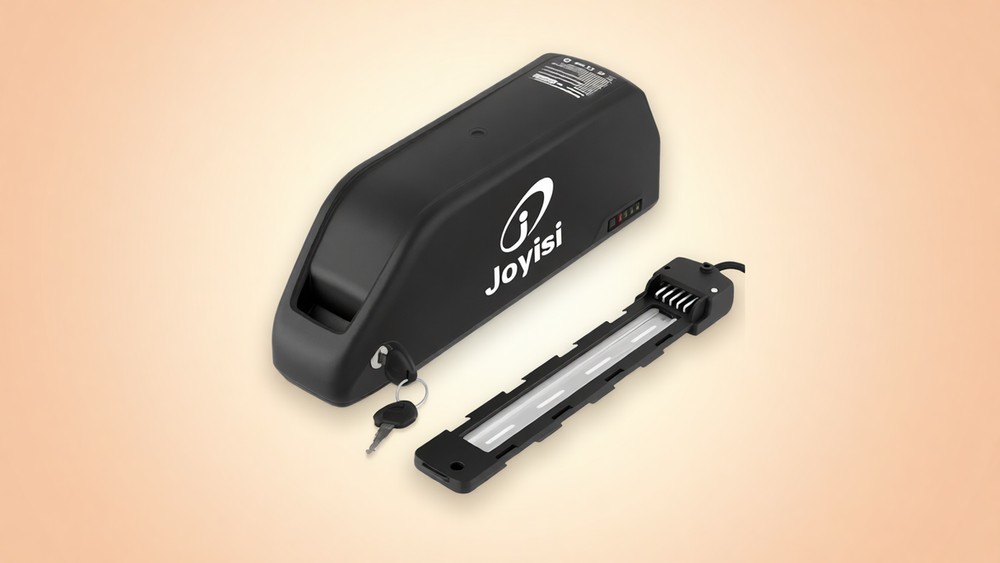
The slug says 48V 24Ah. The buyers never did
The correction comes first because it changes everything else on this page. The old article here described a 48V 24Ah pack, 1152Wh of it, and no buyer ever described that battery. The texts go back to October 2019, and every one of them talks about a 52V 20Ah pack, the same product the listing sells today, model R049-6.
The slug stays because the URL is old, and the numbers now match the box.
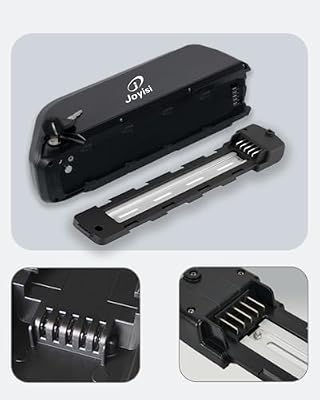
The listing is a rear-rack battery with the rack in the box. 52V at 20Ah is 1040Wh, the bullets claim a 50A BMS and motors from 100W to 1800W, and the rack fits 24, 26 and 28 inch wheels. Compare it against the rest of the field in our battery comparison table.
Six years of owners and a calm histogram
The record runs from October 2019 to August 2025, fifteen captured texts with all but one carrying purchase confirmation, and the histogram is calm: sixty percent five-star, thirty at four, five at three, five at one, nothing at all at two. The most-endorsed text carries seven helpful votes from 2019 and puts about 500 miles and a dozen recharges on the pack, voltage on the mark, specs as they should be, and a plan to buy again.
Range reports sit where they should. One owner gets 30 miles from a 1500W bike ridden at 40mph, another reports over 70 when the pack pairs with a frame battery, and a tandem with two packs reaches about 80.
Wikipedia puts a typical e-bike battery at 25 to 75 miles per charge depending on power level, so the single-pack numbers sit inside the band and every bigger number involves two batteries riding together.
The 52V boost shows up twice on its own. One owner calls the upgrade from 48V a surprising boost in performance, and another valued the extra 4 volts back in 2019. The arithmetic behind it is plain: 52V nominal sits about 8 percent above 48V, and a full charge reaches 58.8V instead of 54.6V.
The rack is the part that breaks
The rack is where this pack falls apart, sometimes literally. Four separate texts across 2021 to 2023 report a broken rack, bar or leg. One says every rack broke, replacements included, and calls the tubing cheap.
Another says the rack bent then broke and is a pain to replace. A rider fell and snapped a bar that secures the rack. A fourth bought it for a Bafang BBS02, found a rack leg broken, and learned that no replacement rack is available, leaving the battery useless without it.
The record is not unanimous. The 2019 text with the most helpful votes says the rack it mounts to is fine, and one 2022 owner calls it a reasonable strength carrier. But four breakage reports against one endorsement is a pattern, and it is the biggest reliability risk in the record.
The same angry text raises two design points the listing never answers: the pack is not waterproof, and the key has to stay inserted while riding. The Anderson plugs are called not water tight and prone to corrosion, and the listing carries no IP rating anywhere to argue with that.

What the service record is worth
The service thread is the reason this pack kept its buyers. One owner watched a 30 dollar price increase land between cart and checkout in the 2020 shipping crunch and got the difference credited back. Another had a failed unit replaced.
A third misplaced the keys, wrote to the seller three years after buying, and got options back the same day.
Even the harshest text in the record opens by conceding the service is good, and the most recent owner, who now runs three of these batteries, still calls them excellent while complaining that the charger plug tips spark and pop when connected.
What about 37 cents per watt-hour buys
The price is the honest problem. 379.99 for 1040Wh works out to about 37 cents per watt-hour, which sits among the most expensive of the 301 packs we track by that measure, in the priciest band of the 52V packs. The battery comparison table shows the live position in its specs box, and it is not a bargain position.
What the money buys is the rack and lock, a 50A BMS whose 52 times 50 arithmetic gives about 2600W of ceiling well above the 1800W motor cap, a slow 2.5A charger that takes about 8 hours to fill the pack, and a seller with six years of answered problems. Only 6 were left in stock when this was checked.
The listing contradicts itself on weight, 5 kg in one row and 15.4 lb in another, and the difference matters more than it looks. At 11 lb the pack would hold about 209 watt hours per kilogram, above what 18650 packs reach, while 15.4 lb works out to about 149, normal for the format. Trust the heavier figure, and let a scale settle it when the box arrives.
Frequently Asked Questions
Is this a 48V 24Ah battery?
No. It's a 52V 20Ah pack, model R049-6, 1040Wh. Every buyer since 2019 describes that product and the live listing sells it. The old 48V 24Ah headline matched no buyer text and no live spec.
Can I run it on a 48V conversion?
Two owners report the 52V upgrade working over 48V, and the arithmetic is 58.8V full against 54.6V. Controller tolerance varies, so check your controller's rating before wiring.
Is it waterproof?
The listing carries no IP rating anywhere, and the one owner who raised it says the pack is not waterproof and the Anderson plugs corrode. Plan on dry-weather storage.
How long does charging take?
The spec table's 2.5A is charger current, and 20Ah at 2.5A is about 8 hours, which matches the listing's own advice to charge at least 8 hours until the light turns green.
What breaks?
The rack. Four texts across 2021 to 2023 report broken racks, bars or legs, one says the replacements broke too, and one says no replacement rack is available when it does.
One 2019 owner reported no rack problems, so the record is not unanimous. If it isn't the right fit, the battery comparison table sorts every option we track.