Budget modular helmets (like this helmelkin flip-up) cost nearly double the amount of this helmet due to additional components such as chin bars. Therefore the reason people continue to buy the budget helmelkin modular flip-up at 4.4 stars with 482 reviews is because the benefits go far beyond just the chin bar.
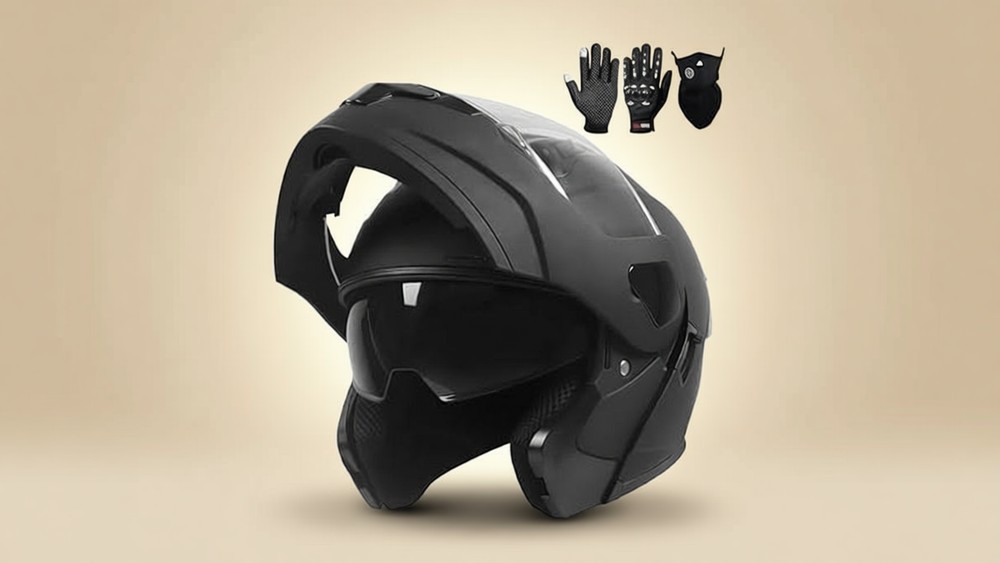
The box includes gloves and a face mask. The inclusion of these types of bundles normally indicates that a product has "filler" or unnecessary items unless you research who purchases this type of product. In reality, based upon the product's description, commuter bikers, ATV bikers and snow mobile enthusiasts are likely using the gloves or the face mask.
Safety Features and Construction
This helmet says it meets FMVSS 218 and DOT standards. It has a typical budget model build process by including an EPS liner underneath an ABS shell. Every DOT approved helmet has manufacturer self-certification with random government inspection, regardless of whether it is a budget helmet or a flagship one. The construction of the helmet is very good as evidenced by the fact there was no trend of structural issues reported by reviewers.
The biggest engineering questions about any modular flip-up helmet priced under 200 are: how sturdy is the modular hardware used to attach and detach the chin bar, will the chin bar break, and will the parts of the chin bar fail. Budget manufacturers cut costs to stay competitive. With this helmet, they saved money by making the hinges feel less smooth compared to higher-priced modular helmets. They also saved money by building it heavier than other modular helmets. According to most reviewers however, when locked into place in either position, the chin bar performs its function.
Fit and Everyday Use
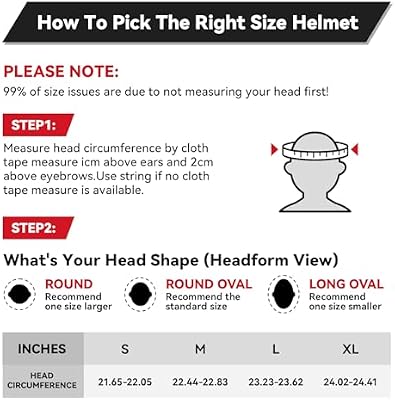
Reviewers praised the comfort of the plush interior lining. Reviews were largely positive regarding sizing. Most head shapes were able to find their correct fit within the helmet. Round headed individuals should consider purchasing a larger size than they typically purchase for helmets. Airflow through vents is okay, not great. While the air flow is somewhat diminished compared to higher-end helmets, when you open your chin bar while stopped at a light, you'll receive airflow to cool yourself down which is really one of the major advantages of having a modular helmet.
In addition to the main visor, there is also a sun visor that reduces glare during early morning or late afternoon hours, ideal for those commuting to work in the city during these times. There is also a separate section for each visor so you do not have to remove the tinted visor to view clearly.
Additional Products Included
As mentioned previously, included in this package are gloves and a face mask. The gloves are thin and fairly average in terms of sizing. Although I wouldn't rely on them as my sole source of warmth, they can serve as backup gloves in your tank bag. The face mask provides genuine functionality for cold-weather riders and those who wear a beard and hate feeling irritation caused by the chin pad.
What Amazon Reviewers Have Said
With 482 reviews and 4.4 stars, this is one of the better documented affordable modular helmets available today. Many reviewers felt that they received good value for their money. Reviewers stated that the ease of opening and closing the chin bar made it perfect for city riding and for individuals who wear glasses. Additionally, many reviewers found the sun visor to be highly effective in reducing glare.
Some reviewers criticized this helmet citing three primary areas. First, weight became an issue for some reviewers particularly after extended periods of time spent on long highway trips. Second, a few reviewers noted that they had trouble getting the chin bar closed tightly enough to lock properly. Third, several reviewers complained about excessive heat buildup during prolonged periods of summer riding.
Who Should Purchase This Helmet?
Based on the features included with this helmet (gloves and face mask) we believe this helmet may appeal to a wide variety of consumers, specifically:
- City commuters who stop frequently at intersections and wish to take advantage of the openness of the flip-up style.
- Cold-weather riders who utilize the included face mask and gloves to provide added protection during harsh winter conditions.
- Powersport enthusiasts (ATV, snowmobile, etc.) who wish to have convenient access to gloves and a face mask while utilizing their equipment.
We would recommend avoiding this helmet for:
- Long-term summer touring riders who will experience increased weight and temperature related discomfort while wearing this helmet.
- Riders seeking to refine the chin-bar operation of high end modular helmets.
- Owners of high-quality full-face helmets as they offer greater protection than even the best modular helmets.
You may refer to our helmet comparison chart for further comparisons and our blog for more information pertaining to other protective gear options. We suggest visiting the NHTSA website for accurate information relating to DOT certification.
Please check out the current listing for prices, sizes and bundles, as inventory changes frequently.
Frequently Asked Questions
Is a Modular Helmet Safer Than a Full-face Helmet?
Generally speaking, yes. Full-face helmets tend to offer more ultimate protection for the wearer due to their fixed chin bar. However, many riders prefer modular helmets for convenience purposes. DOT certification for modular helmets is equivalent to that of full-face helmets. Wearing any certified helmet consistently outweighs owning a better helmet that sits idle.
Do the Included Gloves and Mask Fit Well?
The gloves offered with this helmet are relatively thin and average in terms of sizing. The face mask fits snugly under the chin bar portion of the helmet and is arguably the better of the two extra accessories.
Can I Wear Glasses with It?
Yes, and one reviewer described wearing glasses as being extremely easy due to the flip-up feature.
How Heavy Is It?
Expect this helmet to be considerably heavier than budget full-face helmets and more so than premium modular helmets. In short distance urban travel it becomes irrelevant, however, during long highway travels you will notice it.
Does the Sun Visor Work with the Main Visor?
Yes, the drop-down tinted visor works underneath the main visor allowing you to easily alternate between full clear visibility and sun-blocking capability.
Is It Worth It for Winter Riding?
That is where the bundle earns its keep. The face mask blocks wind on your chin and neck, the gloves cover a spare pair duty, and the flip-up design lets you talk at fuel stops without pulling the helmet off.