A mesh intercom is supposed to end the group-ride ritual of pairing buttons and dropped voices. Everyone arrives, the network forms on its own, and it heals itself when a rider falls back. That's the promise the topology is named for.
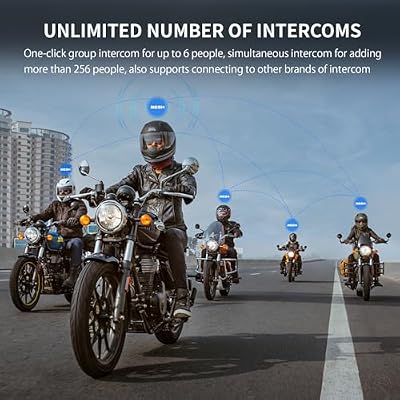
The FX Plus sells that promise cheaper than anything else we track, and that price is both the reason to look and the reason to be careful. Four of the fourteen buyers who wrote about the FX Plus describe the same fault, the link cutting out mid-conversation, and every one of them was riding with a single partner. Nobody reported a group of sixteen.
What follows goes through those reports, the numbers inside the listing that disagree with each other, and what the cheapest mesh seat per rider doesn't cover.
The FreedConn FX Plus backs its price with real hardware: MESH 2.0, a Qualcomm Bluetooth 5.1 chipset, Hi-Res speakers, both mic styles and a hard shell case in the box. It also carries the lowest price per rider of the 192 intercoms we track, and it carries a fault pattern to match, a mesh link that drops on exactly the two-up ride this headset is most often bought for.
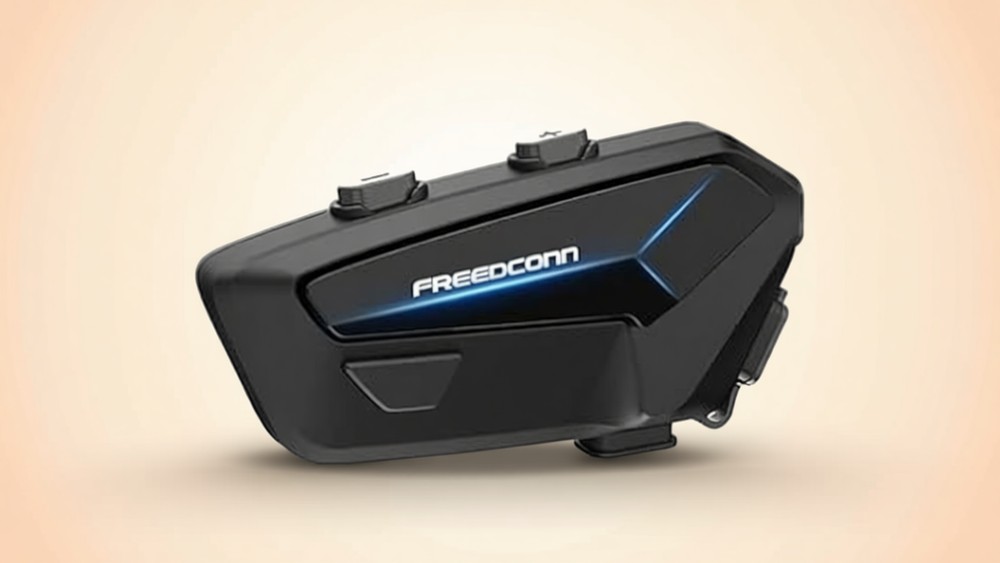
Four riders, same fault, always at two units
Four of the fourteen written reports describe the same fault, and every one of them happened with two units on the ride.
The October 3-star says the mesh stalls more often than it works with a pillion, that Bluetooth mode holds a call fine but loses music sharing, and, in the same breath, that the battery lasts as promised. The September 4-star reports occasional cuts with a pillion too. A September 1-star calls the mesh intermittent, and an October 3-star never got the second unit to share music at all.
The pattern matters because of what the technology is named for. A mesh network is supposed to self-heal, relaying around breaks so a fallen-back rider stays in the call. When four owners describe a link that drops mid-conversation at two units, the feature the topology promises is the one failing.
No text reports a group larger than two, so the 16-way claim has no owner behind it. The comfort in the record is what the complaints don't say. Nobody reports a dead unit from the mesh drops, and the one owner who judged battery life said it lasts as promised.
The bullets and the spec table do not agree
The listing argues with itself, and the pattern runs one way: the bullets inflate, the spec table hedges.
Bullet four says the battery is 1400mAh and plays music for forty hours. The table says 1200mAh and thirty-two hours. Bullet one says sixteen riders join automatically.
The table lists a maximum mesh capacity of 256, a number so far from the bullet that neither one is the group size you will actually ride with. Bullet three says IP67. The table has no IP field at all.
Distance gets three different numbers on one page, 1.2 km of Bluetooth range, 800 metres between riders, and 2000 metres for a team link. Plan around the smallest. When a listing cannot agree with itself on capacity, hours, rider counts or waterproofing, the conservative figure in each pair is the only one with your ride on the line.
The cheapest mesh per rider we track, and what that buys
On price per rider the FX Plus sits in the cheapest fifth of the 192 intercoms in our comparison table, and nothing else with mesh comes close. The price buys MESH 2.0, a Qualcomm BT 5.1 chipset, Hi-Res speakers, both mics, a hard shell case and a claimed ten hours of mesh talk with a 1.5 hour charge.
That's the honest trade. The cheapest seat in a category is where thin firmware and thin support show up first, and four owner texts describe what that costs on the link this headset is most bought for. The price is real and so is the gamble.

Support by email only, by the listing's own words
Bullet six is the unusual one. The listing itself tells buyers to contact FreedConn by email and warns that contacting Amazon fulfillment will not get a response. The owner record agrees with the warning.
The August 1-star reports a supplier that doesn't answer messages and a return shipping cost higher than the headset's price. The September 1-star says a unit died within a week. The August 3-star reports a damaged speaker cable on arrival.
The October 2-star reports poor compatibility with Apple phones and a bad adhesive patch microphone, with the boom mic for flip-up helmets doing much better. The August 1-star describes a battery gauge that jumps from sixty percent to ten and then shuts the headset off, in the same text that reports the supplier silence.
The practical response is to treat the first week as a test window. Put both units on helmets, pair them to a phone, run a mesh call around the block, and do all of it inside a returnable channel. If the pair is good, you have the cheapest mesh per rider we track. If it isn't, you want the door open.
The histogram matches a genuinely mixed record. 69 percent of the 84 ratings are five stars and 24 percent sit at three stars or below. All fourteen texts are order-confirmed, so the mix isn't padding, and the complaints scatter across hardware, software and support rather than piling on one defect.
Buy it for the pillion ride if you can live with a firmware gamble
Buy the FX Plus if your rides are two-up, your budget is fixed, and you can test hard inside a return window. Bluetooth mode gives you a stable fallback for calls, the price per rider is the lowest we track, and one owner says the battery delivers.
Think again if a dropped pillion link would ruin the ride or if your group rides on iPhones, because both show up in the record. Treat the 16-rider claim as marketing until an owner reports it. The KY PRO 2PC review covers the Bluetooth sibling at a similar per-rider price, and the SCSETC unit is the other budget seat worth comparing.
FAQ
Does the mesh really connect 16 riders?
No owner text reports a group larger than two. The spec table itself lists a maximum mesh capacity of 256, which tells you the bullet number is marketing. Buy this for a two-up ride, not for a big group.
How long does the battery last?
The table claims ten hours of mesh talk, 23 hours of phone calls and thirty-two hours of music, with a 1.5 hour charge. One owner says the battery lasts as promised. Another watched the gauge fall from sixty percent to ten and shut off, so charge before every ride until your set proves itself.
Is it waterproof?
Bullet three says IP67. The spec table lists no IP code, and no owner text mentions rain at all. Treat the waterproofing as unverified and keep the headsets out of standing water until FreedConn prints a code it keeps consistent.
Does it work with iPhones?
One owner reports poor Apple phone compatibility. The same text says the boom mic for flip-up helmets sounds much better than the adhesive patch mic, so pick the boom if your helmet takes one.
What happens if a unit fails?
Email the seller, because the listing warns that Amazon fulfillment will not respond, and two owners report exactly that silence. One buyer paid more in return shipping than the headsets cost. Buy through a returnable channel and test both units in week one.