Most products bury their missing feature in the fine print. The Fodsports FX-S C puts the word No Intercom in its own title, in the first five words, ahead of everything the headset does have.
That honesty is rare enough to be worth taking seriously. A large share of helmet audio buyers ride alone, want music and turn-by-turn directions, and have no use for the rider-to-rider link that drives the price of every group system. The FX-S C is built for that rider, at 33.99.
The question a buyer should ask is not what the headset lacks, because the box says so plainly. It is whether the rest of the package holds up, and whether the record behind it deserves the 4.4 stars it shows. This review works through both, plus a few details the listing itself makes hard to trust.
The absence is the pitch
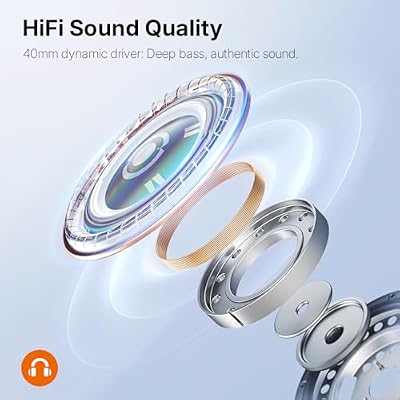
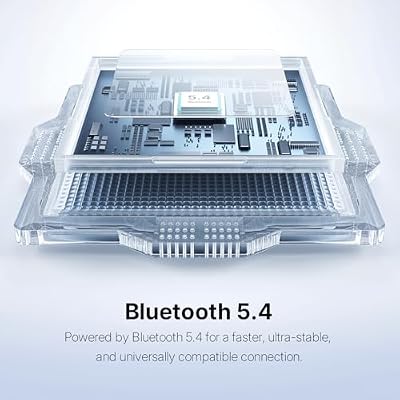
Everything else in the FX-S family builds toward rider-to-rider communication. The covered FX-S V5.4 two-pack is a two-way intercom pair, and the single FX-S we reviewed earlier carries the same lineage. The FX-S C strips the intercom out and keeps the audio: a 40mm speaker set, Bluetooth 5.4, a large rotary knob, and both mic styles.
What remains for a rider is music, phone calls, and turn-by-turn directions from a paired phone, plus a voice that announces the battery level at startup. Both a button mic and a boom mic ship in the box, so full-face and open-face helmets are both covered.
The battery claims are specific where it counts. Fifteen hours of music or talk time, 300 hours of standby, and a 2.5-hour Type-C charge you can run while charging. No capacity figure in milliamp hours is printed anywhere, so the 15-hour claim rests on the company's word and the owners' impressions below.
A record with no purchase markers
Twenty-three ratings sit behind the 4.4, and the histogram shows nothing at all below three stars. Thirteen written texts are captured, and not one of them carries a purchase marker. Every single text in the record is unbadged.
The dates cluster tightly too. The whole written record spans about seven weeks, from early September to late October 2026. Four texts carry a single helpful vote each, so there is no ranked center of gravity, and several of the longer texts read like listing copy turned inside out, echoing bullet phrases such as punchy heavy bass and lightning-fast pairing.
Read the 4.4 as presentation rather than proof, at least until purchase-backed accounts accumulate. The covered FX-S V5.4 two-pack shows the opposite shape, with every text purchase-badged, and that contrast is the honest comparison: the cheap rung's warmth is unearned so far, the family's main product has earned its record.
What survives the skepticism is consistent with a decent budget unit. Nobody in the record reports a defect, a dead unit, or a pairing failure. The absence of criticism in an unbadged record proves little, but it at least does not contradict the listing.
The listing argues with its own numbers
Some spec rows on this page deserve a warning label of their own. Item Weight reads 84.3 pounds, which is heavier than the helmet it goes inside by a factor of twenty or more.
Unit Count reads 72 Count on a box that contains one headset. The color row reads blsck. These are feed template errors, not facts about the headset, and they tell you the listing was assembled with less care than the hardware probably deserves.
The waterproof claim is more substantive. The FX-S C claims IP65, which per Wikipedia's IP code page means dust-tight plus protection against water jets from any direction. That is rain protection, not submersion.
The covered two-pack claims IP67, one grade higher, which adds immersion tolerance. If you sometimes ride in sustained downpours and care about the difference, the family's intercom rungs carry the stronger rating.
The 40mm heavy-bass speaker claim deserves the same caution. Larger drivers move more air and generally produce more bass than small ones, but bass output depends heavily on the enclosure, per Wikipedia's loudspeaker page, and a helmet liner is not a designed enclosure.
The marketing card and one owner agree the bass is present. Treat heavy bass as a reasonable expectation, not a promise.
What owners actually caught
Strip out the listing-shaped prose and four useful observations remain, and none of them appears in the bullets.
The first is about mounting position. One rider mounted the control box on the helmet exterior and found the wind noise it created was louder than the speakers at most speeds, though the same rider admits the outside position made the controls easier to reach. Interior mounting avoids the wind problem entirely, and another owner confirms the FX-S C fits inside without spoiling the helmet's feel.
The second is an upgrade limit worth knowing before you buy. The speaker and mic connections use small micro-USB style plugs, and one owner notes this makes swapping in better speakers difficult. If you are the kind of buyer who plans to upgrade drivers later, the connector works against you.
The third is a mixed verdict on sound itself. One owner who likes almost everything else calls the sound muddier than hoped at the 30 to 35 dollar price, while others report plenty loud and better than expected call quality. Budget driver sets vary, and this record has not settled which description is typical.
The fourth is small and practical. Several attachment points ship in the box, one owner repositioned the earpieces a few times before they sat right, and the spare Velcro made the mistakes free. The clamping and adhesive mounts also give you interior and exterior placement options, which matters given the wind noise report above.
The rotary knob earns praise in four separate texts, which is the closest thing the record has to a consensus feature. Glove-operable volume is exactly the kind of thing spec sheets undervalue and daily use decides.
Frequently Asked Questions
Can two FX-S C units talk to each other?
No. The intercom hardware is not in this headset, and the name says so. Two of them will each pair happily with your phone and never with each other. If rider-to-rider matters at any distance, the covered FX-S V5.4 two-pack is the family product built for it.
Is this good for an e-bike or scooter rider?
One owner rides that way, reporting enough volume with earplugs and noting it does not cancel road noise. Nothing about the FX-S C is motorcycle-specific beyond the mics, so any helmet works.
How does the 15-hour claim hold up?
No owner reports a measured figure, and the listing prints no battery capacity. The claims are specific but unverifiable, and the record is too young to have aged them. Treat the first month as your own test.
Why does our comparison table show a per-rider price for this?
Our intercom comparison table prices every row per rider it serves, and this row's honest service count is zero riders linked. At 33.99 for one helmet's audio, the per-rider framing does not really apply, which is part of why the no-intercom class sits oddly in any intercom ranking.
Buy it for a solo helmet, skip it for any group plan
The FX-S C does one job and names the job in its title, and the price matches the shortened feature list.
The risks are specific and knowable: an unproven badge-free record, an exterior mount that hisses in the wind, and a speaker connector that locks you out of upgrades. The rewards are a big glove-friendly knob, two mics in the box, rain-grade water protection, and the lowest price we track on any Fodsports listing.
If you ride alone and want audio more than communication, it fits. If there is any chance a second rider enters the picture, buy the intercom rung of the family instead and skip this one entirely. The listing that started this review, the Fodsports FX-S C itself, will still be the cheapest way into the brand either way.