Rad Power batteries fail in two ways: they fade after years of commuting, or they get stolen off the bike. Either way, the factory replacement price stings, which is why aftermarket packs like the DICHOU keep finding buyers.
Fit is where the simple swap gets complicated. This pack stands about an inch taller than Rad's own 14Ah battery, it bolts straight onto some models and needs tricks on others, and on a RadWagon it does not fit at all.
This review walks through the owner fit reports model by model, the range numbers, and the two failure stories that should shape how you buy.
The DICHOU 48V 20Ah is the cheap way back onto a Rad Power bike, and for RadRover and RadCity owners the fit reports and range numbers are genuinely good.
The catches are real too: it stands an inch taller than Rad's own pack, it will not fit a RadWagon, and two buyers have reported a melting pack and a one-year death. The value story holds only where your model is on the fits list and you accept what the seller's support looks like when things go wrong.
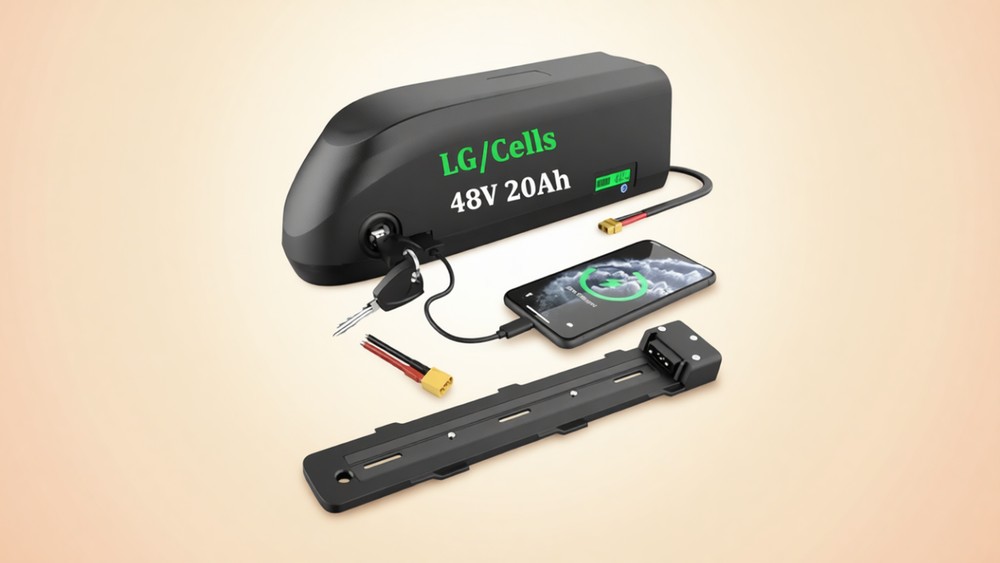
RadCity 3 and 4: what the swap takes
The RadCity 4 fits on the stock plate with no changes, and more than one buyer has reported exactly that, including a 2018 RadCity owner who runs it daily. The RadCity 3 needs one trick: unscrew the base and raise it so the pack sits on the top two bolts only.
The RadRunner Plus gen 1 fits perfectly out of the box. The RadRover 5 takes a little more work: loosen the three cradle bolts and push the cradle up to the end of its travel, or keep the original tray and slide the pack down as far as it goes once the mounting bolts are loose.
Rad's own replacement battery is not listed for the RadCity 3 Step-Thru or the RadCity High-Step 4, and the newer Plus models use a semi-integrated battery that takes no external pack at all. That gap in Rad's own lineup is exactly the slot this pack fills.
An inch taller than Rad's 14Ah pack
One buyer measured this pack at 4.75 inches tall against the 3.75-inch Rad 14Ah version, a full inch more with the same length and width. The height is why it will not fit folding Rad bikes, where the battery stands vertically, and why it fits a RadRover only just.
The listing images show 385 by 120 by 97mm, but the order page itself never states the height, and two RadWagon owners have found out the hard way that the pack is too tall to fit between the bars. One asked why the height is not on the order page, which is a fair question.
On weight, the listing is no help at all: the spec table claims 0.1 kg, which cannot be true for a 960Wh pack. One buyer who runs it as a portable power supply says it is heavy, and that is the closest thing to a real number you will get.
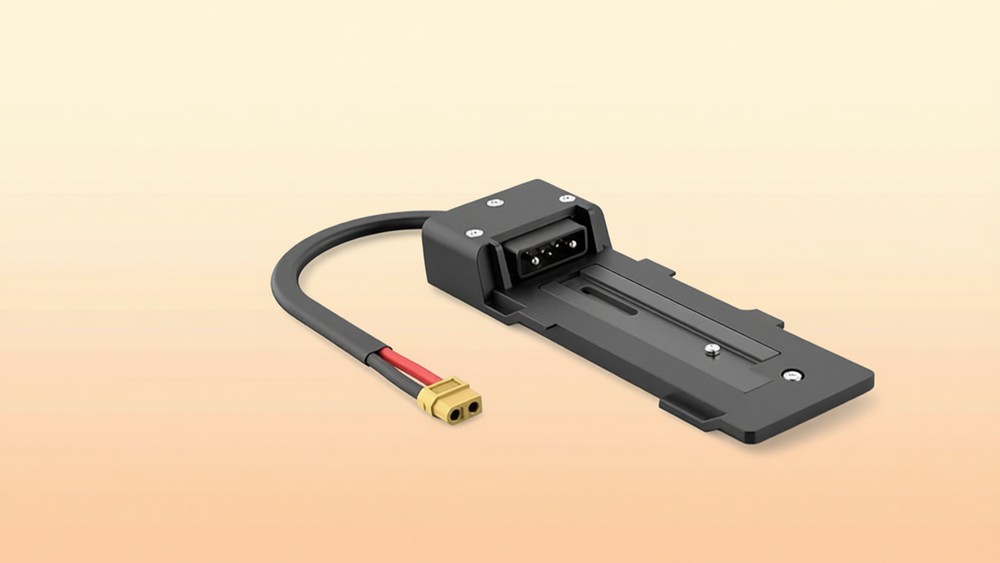
The key stays in while you ride
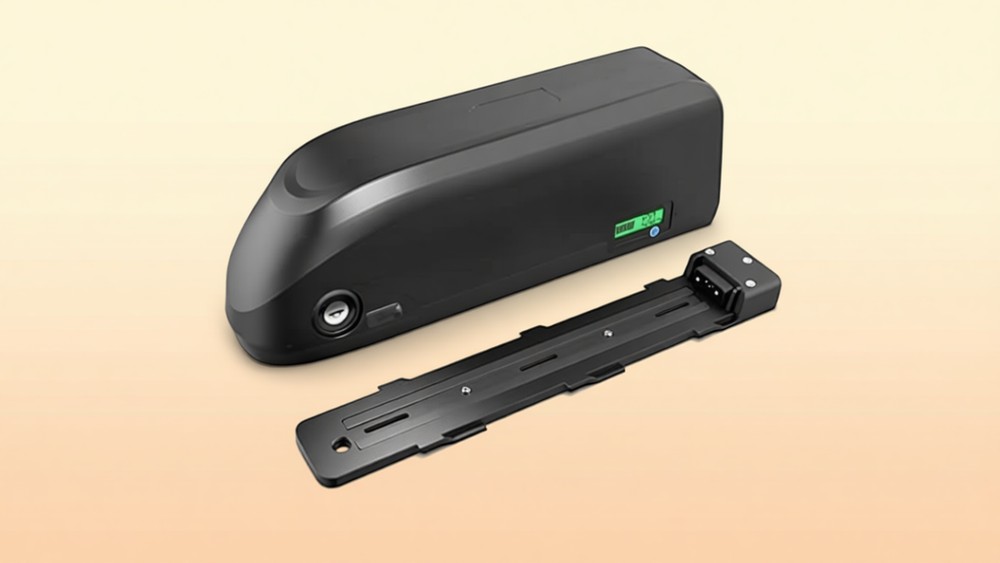
Three buyers have noted the key cannot come out while the pack is switched on, which differs from how the Rad version works. Switch the pack off and the key pulls free, so it is a daily-use quirk rather than a defect, but it is worth knowing before it surprises you at a stop.
The same owners report the electrical side works as claimed: one measured output around 54V, right where a full 48V pack should sit.
Range, charging and one dead-on-arrival pack
Range is where the owners agree most. One RadRover 5 rider has done 25 miles into 30 mph winds and used 35 percent of the charge, where their 5-year-old original ate 75 percent on the same distance. Another reports 40 to 60 miles on trails with assist. One rider with a 35A controller upgrade went from 20 miles on a tired original to an estimated 60, and another simply gained about 5 miles over the stock pack. On paper the category math says 960Wh at 20 to 30 watt-hours per mile is 32 to 48 miles on throttle alone, or 53 to 80 with pedal assist at 12 to 18 watt-hours per mile.
The box includes a 3A charger, a power cable, the discharge plug, two keys and a manual. At 3A, a 20Ah pack works out to roughly six and a half hours from empty, and one buyer says the real charge time came in shorter than the listing claimed. The case itself carries an LCD charge gauge and a USB port that can top up a phone.
The support stories split. The top-voted review, from a RadRover 5 owner, praises the seller's help before and after the sale.
Two failures tell the other side: one pack began to melt on its very first full charge, the owner took it to a hazardous waste facility, and the refund had not arrived when they wrote. Another pack died completely one year in, and the seller offered only a discount on a new purchase. The listing itself states no warranty length.
On value, this pack sits in the pricier third of the 301 batteries we track by price per watt-hour, so it is cheap next to Rad's own battery, not cheap next to the whole market. The live position renders in the specs box below.
FAQ: the RadCity 4 fit, the folding-bike height block and the no-terms return
Does the DICHOU 48V 20Ah fit a RadCity 4?
It fits the RadCity 4 on the stock plate with no changes, and more than one buyer has reported it.
Will it fit a folding Rad bike?
No. The pack stands about an inch taller than Rad's 14Ah battery, and folding models hold the battery vertically, where the extra height blocks it.
Can I remove the key while riding?
The key cannot come out while the pack is switched on. Switch the pack off and the key pulls free.
Can I return it?
The listing states no warranty length, and the support record is mixed: one buyer is still waiting for a refund after a melting pack, and another was offered only a discount when the pack died at one year. Read the seller's terms before you order.
What charger comes with it?
A 3A AC adapter, plus the power cable, discharge plug, two keys and a manual. The 3A rate works out to roughly six and a half hours from empty on the 20Ah pack.
The identical pack also sells under a second DICHOU listing with its own separate reviews, so check both before you buy.