There's a specific rider every cheap half shell is built for, and it isn't the highway commuter. It's someone doing short trips in warm weather who wants legal coverage without the weight and heat of a full face, or someone after a spare helmet to keep in a saddlebag for a passenger.
The trade is built into the shape: a half helmet covers the minimum the law allows and leaves everything else to the weather.
The CARTMAN matte black half helmet sits at the very cheap end of that category, and it carries a genuine DOT FMVSS 218 claim rather than the uncertified beanie treatment. That part of the pitch holds up on paper.
Where the owner record keeps pulling you back is something the listing can't tell you, which is that the helmet reportedly runs large, often enough that the record's standing advice is to order one size smaller than you think.
Sizing a helmet online is awkward at any price, because head shape varies as much as head size and a tape measure doesn't capture shape. Here the buyers agree with each other, and the agreement points one direction. What follows works through the sizing reports, what the DOT label does and doesn't cover, and the parts of the record nobody has filled in yet.
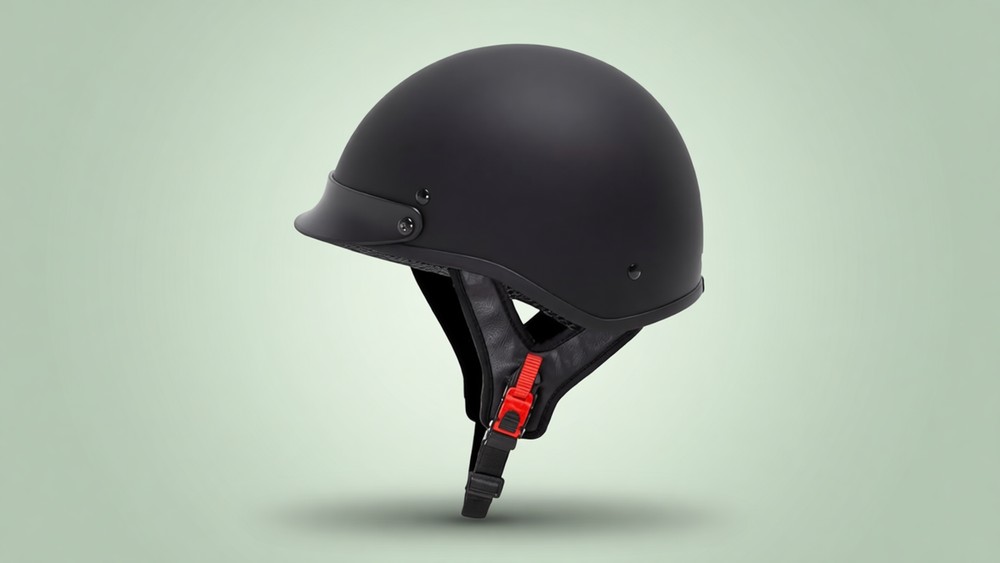
Cheap, certified, and reported one size too big across the record
The CARTMAN matte black half helmet sells for 33.24 on the Small variant, sizes priced separately, which puts it in the cheapest fifth of the 257 helmets we track. Our helmet table shows exactly where that price sits against everything else on the list, because the price band is the part of this pitch that isn't in dispute.
The rating record backs the build for the money: 4.3 stars across 246 ratings, 67 percent of them five-star and 7 percent one-star, which is a normal spread for a budget helmet rather than a polarized one. Every text captured for this review carries the confirmed-purchase badge, so the agreement you're about to read comes from people who kept the helmet or at least paid for it.
Where the record does agree, it agrees on sizing, and it agrees against the listing. The buyers report this helmet runs large often enough that ordering one size smaller than you think is the closest thing the record has to an owner's manual.
Fit is the subject: the sizing reports agree, and head shape decides the rest
The sizing agreement spans three owners, and they never contradict each other. One owner ordered a medium, found it way too big, sent it back for a small, and concluded the sizes run a little large. The most-voted text in the record, carrying 5 helpful votes, says the same thing from the other side: good quality and look, but order one size down.
A third owner wears a large against a 7-1/8 baseball cap reference and reports the fit pretty good, which is a useful anchor if you know your cap size.
The most detailed critical text describes a shape problem rather than a size problem, and it's worth reading closely before ordering. That owner reports a front-to-back fit that's snug while the sides have enough space that the helmet wasn't comfortable or safe on a slim head, with the shell edge pressing down on the tips of larger ears and no ear pads offered as a fix. They returned it after one day.
Helmet sizing is head circumference measured with a tape just above the eyebrows and ears, not hat size, and shells vary between round-oval and intermediate-oval shapes, which is exactly how a helmet can fit wide on a slim head at the correct circumference.
Measure your head before ordering, expect to size down, and if your head runs slim or oval, treat this listing as a likely return rather than a gamble you can talk yourself into.
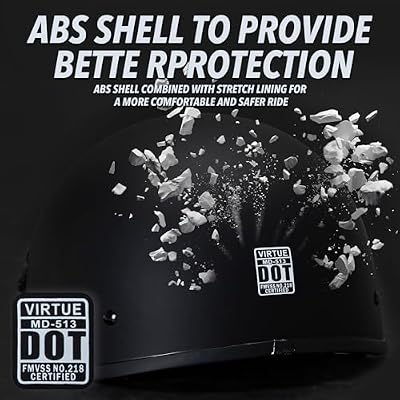
What the DOT label covers on a half shell, and what it never tested
The listing claims the helmet meets or exceeds DOT FMVSS No. 218, the US federal motorcycle helmet standard. That standard is certified by the manufacturer, not tested by an agency before sale, so the label is a legal claim with an obligation behind it rather than a test report you can read.
The ABS shell and the EPS liner are the parts of the construction that carry that claim, and the spec table lists both.
A half shell is the minimum coverage the law generally allows. It leaves the chin and face uncovered, which is why riders in this category add a shield or wrap-around glasses, and it's a different product class from the uncertified novelty beanies that lack the energy-absorbing foam entirely. This helmet has the liner the novelty helmets skip, and that liner is the difference between a helmet and a hat.
One owner account tempers all of this, and it should be reported rather than repeated. The detailed critical text adds that if the helmet is DOT certified, it barely makes that cut, which is one rider's impression formed over a single day of ownership before a fitment return, not a test result.
Treat the certification as a claim the manufacturer stands behind, and treat the owner's line as what it is: one person's read of the same label you can see on the listing.
What nobody in the record has put to the test yet
No text in the record reports a crash or a drop, so nothing here speaks to impact performance, which is the one job a helmet exists to do. Nobody reports wind noise at speed, and nobody reports how the helmet holds up past a few weeks of use, so the durability story is unwritten and the comfort reports all come from short ownerships.
The bullet list promises more than the record can check. The liner bullet says the vented EPS brings you a better protection, a comparison with nothing in particular, and the last bullet calls the helmet ideal for motorcycle riding.
The one owner who addressed that question directly recommends against road motorcycle use and bought theirs for a mini bike, so the record sits narrower than the bullet list on the helmet's main intended use. The age rows say Adult, and one text reports an 8-year-old using one, which is the listing and the record disagreeing about who this is for.
The record does agree on a few things. The quick release buckle gets named as a liked feature by three separate owners, one of whom calls the chin strap awesome and easy to take on and off, and light weight comes up more than once as a plus on a helmet that weighs 2.16 pounds.
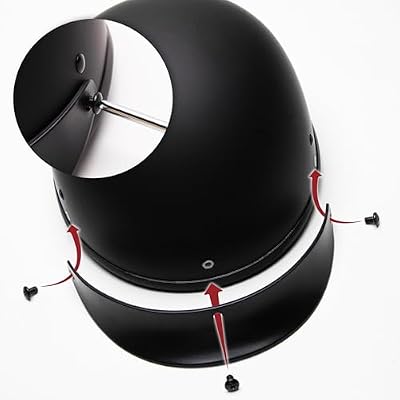
The value case, and who should keep scrolling
For 33.24 the buyer gets a DOT-claimed ABS shell over an EPS liner, a quick release buckle, a 1 year warranty row, and a 2.16 pound helmet, in the cheapest fifth of the helmets we track, with a 4.3 star record from 246 ratings behind it. As a certified half shell for short low-speed rides, a passenger spare, or a warm-weather runabout helmet, the price case is genuinely hard to argue with.
The skip list comes straight from the record. Riders with slim oval or almond shaped heads should stay away, per the one detailed critical text, because the shape runs wide even at the correct circumference.
Riders who want ear coverage should scroll, because the shell presses ear tips and no ear pads are offered. Anyone planning real road motorcycle speeds on the strength of the ideal-for-motorcycle bullet should note that the only owner who spoke to that use recommends against it, and that a full face helmet in the mid price bands buys coverage this shape can't offer.
Check the current price against the helmet table before ordering, because sizes are priced separately and the band moves.
Frequently Asked Questions
Does the CARTMAN matte black half helmet run true to size?
No, the record says it runs large. One owner returned a medium for a small and says sizes run a little large, the most-voted text says to order one size down, and a third fits a large against a 7-1/8 cap size. Sizing is head circumference measured with a tape just above the eyebrows and ears, not hat size, so measure first and expect to order smaller than you think.
Is it safe for real motorcycle riding?
It carries a DOT FMVSS 218 certification claim, which is manufacturer self-certification rather than pre-sale agency testing, and a half shell is the minimum coverage the law generally allows. No text in the record reports a crash, and the most detailed recent owner recommends against road motorcycle use and bought theirs for a mini bike, so read the ideal-for-motorcycle bullet as marketing and decide based on the coverage you're accepting.
What do you actually get in the box?
Exactly one helmet and nothing else, at 2.16 pounds, with an ABS shell over a vented EPS liner, a quick release buckle, and a 1 year warranty row on the spec table. There are no ear pads, no spare shield, and no accessories in the Included Components, which matters if the ear-tip pressure one owner describes turns out to apply to your head shape.