A full-face helmet is the one piece of riding gear with a hard floor under it. Below a certain price, the market thins out to half shells and vague certification claims, so a genuine full face at 59.99 draws a crowd.
The AU-T801 has drawn one. 775 buyers have rated it, 81 percent of them at five stars, and it promises the budget trio riders look for first: DOT-certified construction, two visors in the box, and a light shell.
The record turns on narrower things. Sizing splits, the visor-in-the-box promise has already failed one buyer, and the helmet's only crash account isn't verified.
A cheap shell doesn't need to hide its weak spots. It needs a buyer who knows where they are.
What 59.99 buys in a full-face helmet
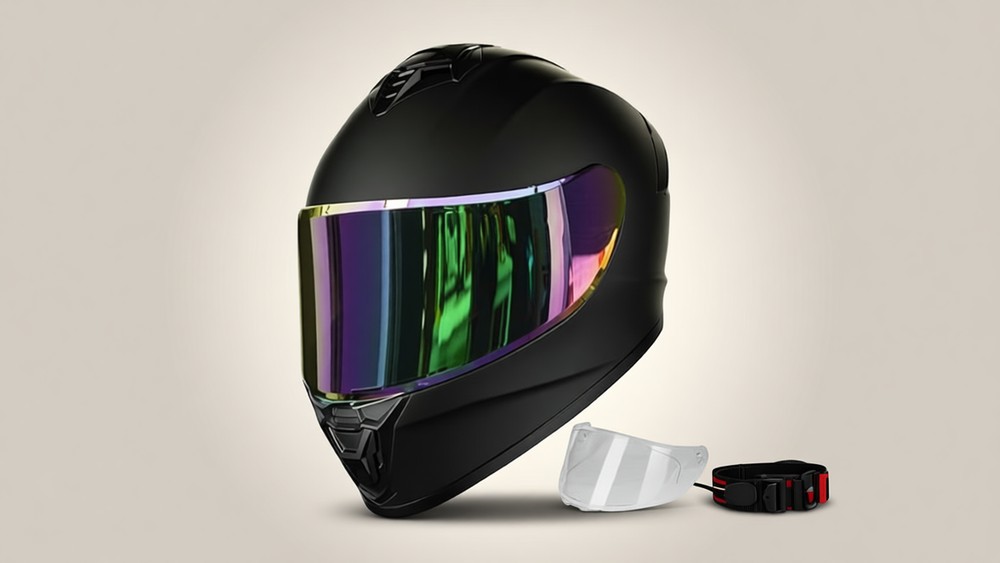
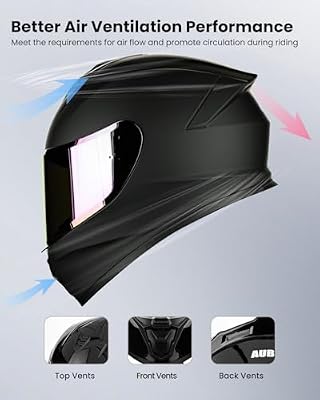
The spec sheet reads like a standard budget full face, and that is roughly what it is. An ABS shell sits over EPS foam, the impact layer that actually absorbs a hit. An integrated fin runs along the top of the shell, vents sit front and rear, the liner is removable and washable, and the whole thing weighs 3.79 pounds on the listing's own scale.
A color visor comes installed and a clear spare comes in the box, which is the feature doing the most work at this price, because a separate clear visor is usually the first accessory a new rider has to buy.
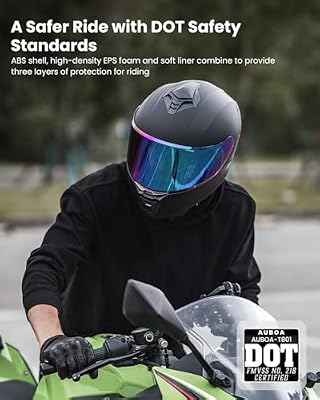
The safety bullet says the helmet "Meets or exceeds FMVSS-218 and DOT Safety Standards". Those are one standard with two names: FMVSS 218 is the US motorcycle helmet regulation, and DOT certification means compliance with it. Worth knowing is that the US has no pre-market approval test for helmets, so the DOT sticker on the back is the manufacturer certifying its own product rather than an independent pass.
The buyer record offers no reason to doubt it here, but the wording tells you what the sticker is. The figures come from the standard's own history, where helmet use cuts head-injury risk by 69 percent and death risk by 42 percent, which is the whole reason the floor exists.
On price it sits in the cheaper third of the 257 helmets we track, and you can see where against the rest of the field in our helmet comparison table. One mechanical note before anything else: the listing page behind this record is the Gloss Black Medium variant, the spec table carries a different variant ASIN and a part number ending in -GB-M, and prices and stock can differ by variant.
The sizing record splits, and it leans small
Helmet sizing arguments are usually noise, but this record has enough structure to be useful, and the tight reports outnumber the comfortable ones three to two.
The most-voted text, carrying 5 helpful votes, is on the happy side: the buyer ordered a medium and reports it fits perfectly with a comfortable feel, plus working vents and visors as described. A rider who bought the helmet for an MSF basic rider course calls the fit snug without painful pressure points, with a wide field of view that made head checks easier on the range.
Against that, three owners have reported the opposite. One wrote a two-word review, "Super tight", which at least has the advantage of being unambiguous. Another bought the XXL and reports it fits identical to the large helmet they already own, which is the plainest "runs small" data point a sizing record can offer.
The most detailed account comes from a buyer who measured 21.5 inches, ordered the Medium the size chart recommended, and found it uncomfortably tight on the top sides of the head and across high cheekbones. They got a refund, and reordered a Large on the theory that the chart is off or the shell simply runs small.
There is no clean verdict in that split, because head shape decides more than the tape measure does. The practical reading is that the record's one size-up experiment is worth more than the chart: if you measure at a boundary, the buyer above went up a full size and expected to keep the larger one.
Two visors in the box, most of the time
The two-visors promise is the listing's most useful claim, and most buyers have confirmed it.
One reports the clear visor installed plus a reflective spare. The most detailed account, written in Spanish, praises exactly the combination the listing describes: the dark visor for sunny days and the clear one swapped in for night or rain, with no separate purchase. Another owner says the tinted visor was the reason they bought the helmet at all.
One buyer got less. Their September 2026 order arrived with the clear visor only, and they returned it, which means the two-visors claim failed at least once in 775 ratings. The practical move is to open the box before the return window closes.
The visor lock draws a smaller disagreement. The listing says the lock design means less wind noise and better security. One owner has found the lock weak in practice: the visor can come open when they turn their head to look around while riding.
On noise itself the record splits by speed. Around town nobody complains, one owner finds the wind noise irritating without a comm system to cover it, and another puts a number on it, reporting wind noise filtering in above 80 to 90 km/h on the highway. The matte finish picks up fingerprints easily, which is cosmetic and worth knowing before you buy black.
The one crash report, and its fine print
The record contains exactly one account of the helmet in an actual impact, and it comes with conditions. The buyer, posting video with the text, says the helmet saved their life, that the visor came off in the crash, and that the shell carried only a small scratch. The account carries no purchase badge, and it is the only crash account the 775 ratings have produced.
Take it for what one account without a purchase badge can support: the shell stayed on a head in a real impact, and the buyer still recommends the helmet afterward. What it cannot support is any claim about how the shell would perform in a second impact, and the visor detaching is a real consequence a buyer should know about rather than a detail to skip.
Nothing else in the record touches durability. Nobody has described washing the removable liner, nobody mentions fogging, and nobody reports owning one long enough to say how it ages. The helmet's record, good as its average is, is young.
Buy it for the course bike, after you measure twice
The decision this helmet forces is not "is it safe", because the DOT paperwork says yes and nothing in the record argues otherwise. It is whether your head and your use case match what the record has proven.
The fits are clear. A rider starting out, or one sitting a basic rider course, gets a working full face with real ventilation and a wide field of view, which is exactly the use one owner has put it to.
A passenger's second helmet is another natural fit for the AU-T801, since the price lands in the cheaper third of our comparison table and nobody buys a passenger a premium shell first. Day riders who will actually swap the two visors get the most value out of the box.
Two situations ask for caution. If your measurement sits anywhere near a size boundary, read the newest reviews for your size before ordering, because the record leans small and the one size-up experiment worked. And if the tinted visor in the box is the reason you are buying, check the box on arrival day, because one buyer has already received a pack without it.
Frequently Asked Questions
Is the AU-T801 actually DOT certified?
The listing says it meets FMVSS 218, which is the DOT helmet standard, and the spec table lists DOT as the certificate type. US certification is the manufacturer self-certifying, so the sticker means the maker asserts compliance, not that an independent lab tested this shell.
Does it really come with two visors?
Usually. Most buyer texts confirm a color visor installed plus a clear spare. One buyer received the clear visor only and returned the helmet, so check the box while the return window is open.
How does the sizing run?
It leans small or tight. Three owners report tight or undersized fits, including an XXL that matched their usual large, against two comfortable reports. Measure your head circumference, and if you sit near a boundary, the record's one size-up data point is encouraging.
How heavy is it?
The spec table says 3.79 pounds. One owner confirms it stays comfortable over hours of daily use, which matters more than the number, but nobody has compared it on a scale against other helmets.
Is it a good first helmet?
One owner bought it specifically for an MSF basic rider course and reports the ventilation, snug fit and wide field of view held up through long days on the range. That is the strongest first-helmet evidence in the record.
Is there any long-term durability record?
Almost none. The single crash account is unverified and favorable, and beyond it no owner has reported how the helmet, the liner or the visor mechanism holds up over a season of use.