Front-only recording is the compromise every budget dash cam makes, and most listings admit it in plain words.
The AMYET L8 does not stop at admitting it. Its title promises a helmet camera, its bullets promise 2K, and its own instruction sheet tells buyers the camera is not waterproof. Three people have written about the gap between those promises, and two of the three wrote about water.
Cheap single-lens coverage with a memory card in the box is a real offer, and at its recorded price it was the second cheapest single-lens unit we track. That's exactly why the owner reports matter more here than they would on a 300-dollar rig. When a camera costs this little, the difference between a bargain and a returned box is whatever the manual says once it arrives.
What follows reads the four ratings and the three written reports closely, checks each remaining claim against the listing, and closes with a short list of things to verify on arrival.
The AMYET L8 is a 1080P single-lens motorcycle camera with a 130-degree field of view, a 64GB card included, WiFi playback through a phone app, and a list price that sat among the cheapest front-only units we track. It has earned 2.9 stars from four ratings, and the three written reports pull in one direction: two of them are about water, and one of those quotes the manual contradicting the listing.
The AMYET L8 was still on sale at the November 2026 recheck, with roughly six units left in stock.
The listing says waterproof, the manual says otherwise
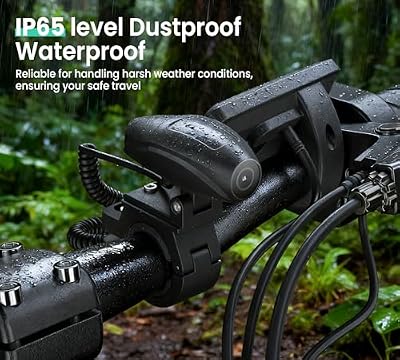
The title and the listing photos carry an IP65 badge, and the March owner report describes what a week of real use did. After one week of use, that owner has reported water getting inside and the lens fogging over. The same report admits the camera still records events, just without much detail, and that the picture loses detail past ten meters.
Two later buyers approached the question from the paperwork side. The June report quotes the manual directly: it says the camera is not waterproof and warns against moisture, dirt, and dust. The July report repeats the same manual warning and adds that the paperwork lists no manufacturer or model number anywhere.
The strongest signal this record gives is the same contradiction arriving from both ends: one wet lens and two printed pages.
IP65 has a precise meaning, and it is narrower than the badge suggests. A dust-tight housing rated IP65 shrugs off water jets from any direction, and it isn't rated to go underwater at all, which the IP code's own wording makes clear. Rain rides are inside the letter of that rating.
Days of sustained spray are exactly the gray zone where a jet rating and a seal part ways.
The practical reading: treat the L8 as rain-tolerant rather than waterproof, mount the body high where wheel spray does not hammer it, and seal the cable entry yourself if you ride in sustained rain. Anyone who needs a camera that survives a pressure wash or a stream crossing should be looking at pods rated IP67 instead.
What a 2.9 from four ratings can and cannot tell you
Four ratings is not a sample, and we have said so before. When the old version of this review was published in September 2026, the camera sat just above 2.5 stars on the same four ratings. The count has not moved since, and the average has drifted up to 2.9, which means the newest ratings lean less harsh than the first ones rather than the camera improving.
All three written reports carry the purchase badge, which matters on a listing this small because promotional filler is the usual alternative.
None of the three has collected a single helpful vote, so there is no ranked center to lean on. The reports span March to July 2026, so this is a young record with no long-term wear data of any kind. Nobody has reported how the seals, the mount, or the card slot hold up in a second season, because nobody has had one yet.
The honest way to read a record this thin is as a fault list, not a verdict. Two water complaints and one dead WiFi radio are three concrete things to test on arrival, and they're cheap to test inside a return window. That's the whole decision framework a four-rating listing supports.
What one forward lens covers
A single 130-degree lens pointing forward records your lane, cross traffic at intersections, and the moment a car cuts you off. That's the footage most front-end disputes turn on, because the argument is usually about who swerved into whom. For that job, one decent lens beats no camera.
What it can't witness is the rear angle. Rear-end impacts are the collision type a front lens never sees coming, and dual-camera rigs exist mostly to close that gap.
We track both shapes on the dash cam comparison table, and the cheapest dual units now start well below what this category cost a year ago. If rear coverage matters to how you ride, the Realdio dual front and rear camera and the Ssontong 25K dual rig cover the two most common ways that trade gets made.
One more placement problem: the title calls this a helmet camera, and the June owner says the instructions cover no mounting at all and describe hardware that looks handlebar-only. If helmet footage is the reason you are here, ask the seller what mounts ship in the box before buying. The listing's own paperwork does not settle it.
The card, the app, and the claims that keep changing size
The resolution story has not improved since September. The first bullet's headline still promises 2K while the same bullet's body says 1080P, and the title's own "1080PP" typo survives untouched. Plan on 1080P, because it's the only number the body text supports.
The card story got stranger. The bullet heading now reads 128GB Memory Card while the same bullet's body says 64GB, and the title says 64GB. Two of the three printed readings agree on 64GB, so plan for 64GB.
At the bitrate a typical 1080P dash cam runs, about 8 megabits per second, that card holds roughly 18 hours of footage before loop recording starts overwriting, a figure the storage calculators we checked agree on. The 128GB the heading promises would double that, and if the box surprises you with the bigger card, treat it as a bonus rather than a plan.
WiFi playback is the one claim an owner has flatly contradicted. The July owner says the camera never broadcast a network the phone app could find, which turns the no-card-pull workflow the listing advertises into an SD-card routine at the desk. WiFi radios are the feature that fails most often on cheap dash cams, so test the app connection on day one while the return window is still open.
Parking Mode has quietly vanished from the feature bullets. It lives in the title alone, and the box list includes no hardwire kit or external battery. Recording while parked needs power when the ignition is off, so if parked-bike coverage is the reason you want this camera, budget for a switched power source the listing doesn't supply.
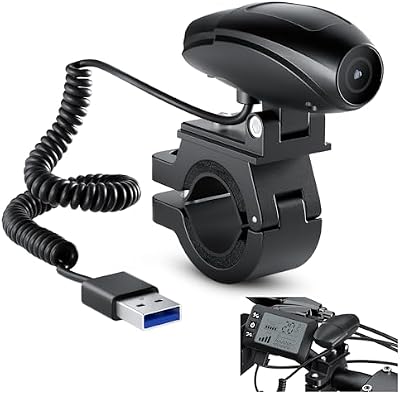
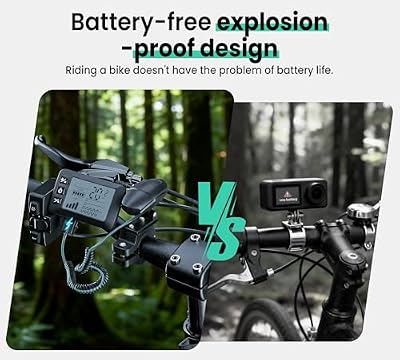
The battery-free design the listing advertises is the usual dash cam trade: a lithium cell swapped for parts that shrug off summer heat, at the cost of seconds rather than minutes of recording after power cuts.
Buying into the six-units-left window
The recorded table price for this camera was 39.99, second cheapest of the 13 single-lens units we track. The live listing now asks 50.99, about 27 percent more, with roughly six units left in stock.
At the recorded price it sat 22nd of the 82 cameras we track by price per channel, and at the live price it lands in the middle of that table, which changes what kind of purchase it is. A 40-dollar front lens with a card in the box was an easy experiment. A 51-dollar one needs the waterproof question answered first.
The arrival checklist is short. Read the manual's water wording before the first wet ride, because two owners say it contradicts the listing.
Connect the WiFi app while the return window is open. Check which card is actually in the box. And decide whether the mount hardware matches where you planned to put the camera, because the instructions apparently do not say.
Skip this camera if you need rear coverage, proven longevity, or confidence beyond three written reports. Consider it if front-only evidence, an included card, and heat-tolerant electronics cover your needs, and the price is back near where the table recorded it.
FAQ: the IP65 doubt, the 64GB card and the missing helmet mount
Is the AMYET L8 really waterproof?
The listing says IP65, which covers water jets and not submersion. The owner reports argue the other way: one describes a fogged lens after a week of use, and two quote a manual that says to keep the camera dry. Treat it as rain-tolerant at best and mount it high.
How much footage fits on the included card?
The card is 64GB by the title and the bullet body, whatever the heading says. At a typical 1080P bitrate that's about 18 hours before loop recording overwrites the oldest files first.
Does the WiFi app work?
The listing promises phone playback without pulling the card. One owner has reported the camera never broadcast a network at all. There's no counter-report yet, so test it immediately on arrival.
Can I mount it on a helmet?
The title says helmet camera, but the June owner says the instructions cover no mounting method and the hardware reads as handlebar-only. Ask the seller what ships in the box before you buy if a helmet mount is the plan.
Is one lens enough compared with a dual rig?
For front-end liability disputes, yes. For anything approaching from behind, no. The comparison table prices both shapes side by side, and the cheapest dual units cost less than they did a year ago.