The VSYSTO helmet camera bets everything on one feature: it turns itself on when your helmet moves and shuts up when it does not. That is a genuinely clever trick for commuters who never want to touch a button. The trade is real though. You give up 4K sharpness and app polish to get it.
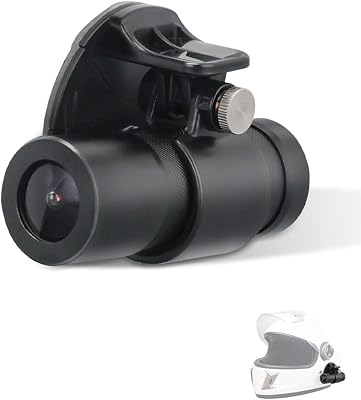
Specs and Value
The listing promises 1080P recording through a 150-degree lens built from six layers of glass. More glass layers usually means better light transmission and less lens flare than the bare plastic lenses on most budget cameras, so the footage should hold up better than the price suggests. Since there is such a broad field of view, you'll be able to capture everything around you including traffic patterns. But 1080P has a hard ceiling: plate numbers only resolve at close range, and zooming turns the pixels into mush fast.
What sets this apart from similar cameras is the smart vibration on/off. The camera automatically turns on when your helmet starts moving and it turns back off when there is no motion for three minutes. Once you have done that first manual power-on, you never touch a button again. That is exactly why buyers treat this as a dashcam rather than an action cam.
Mounting and Build
The VSYSTO helmet camera features a straightforward strap mounting mechanism instead of permanent mounts or complicated cabling. That means it fits almost any helmet, motorcycle or bicycle. And unlike bolted-on mounts, there is nothing drilled into an expensive helmet. However, a strap-on style mount can come loose due to bumps or high speed riding. The catch: a hard bump can knock the framing off by a few degrees, and tilted footage of an accident is much weaker evidence.
The VSYSTO is water resistant. Rain will not kill the electronics on a wet commute. It is small enough to sit unobtrusively on the shell without unbalancing the helmet. And since there is only one lens pointed wherever the helmet faces, this is a tool for casual ride footage rather than a ruggedized unit built for abuse. The light plastic housing is one place the budget shows.
Battery Life and Charging
Built-in 1200mAh rechargeable lithium-ion batteries allow for approximately two hours of continuous recording when WiFi is disabled. Two hours covers a daily commute and disappoints on a weekend tour. With WiFi enabled for real-time monitoring through an application, battery duration decreases significantly. Plan around the charger, or accept gaps in the footage.
Charging occurs through a Type-C charging connector (USB-C). It doubles as a data port, so you can copy files to a computer without pulling the card. The VSYSTO supports microSD cards up to 256GB provided that you utilize a class 10 or U1-rated card. Use a slower card and clips can fail to save during fast rides, which is the worst possible moment to lose footage.
The listing calls warm operation normal, which tracks for a sealed camera this small processing video continuously. Overheating may also reduce battery longevity with prolonged use during extreme temperatures. Be sure to monitor temperature levels during extremely hot days of riding.
Living with the vibration mode. The auto-start deserves a closer look, because it is also the feature with the sharpest edge. Vibration detection means any sustained shake counts as riding. A bumpy truck bed, a washer cycle in the garage, or a curious kid picking the helmet up can all trigger a recording. The three-minute shutoff limits the damage to battery life, not storage, since loop recording overwrites the junk automatically. Set the sensitivity thoughtfully and mount the helmet somewhere still.
The one-time activation trips up new owners. The camera arrives dormant, and buyers who skip the manual assume it is broken when nothing starts recording. Plug it in, power it on manually once, and the vibration trigger wakes up. That single step is the difference between a camera you love and a return label.
What Amazon Reviewers Say
Amazon reviewers rate this product an average of 3.6 stars. That score describes a product that works fine for some buyers and frustrates others. The happiest buyers love the auto-start for exactly the reason the feature exists: no buttons, no thinking, just footage waiting when you get home.
The complaints cluster on two things: the app, which reviewers describe as finicky to connect and clumsy to navigate, and the strap mount, which some say shifts during aggressive riding. Both are classic budget-tier cuts. Software polish and mount hardware are the first things cheapened. The pattern in the feedback points one way. Buyers who treat this as a set-and-forget witness camera come away happy. Buyers who want a polished app experience leave 2 and 3 star reviews.
Who Should Buy This
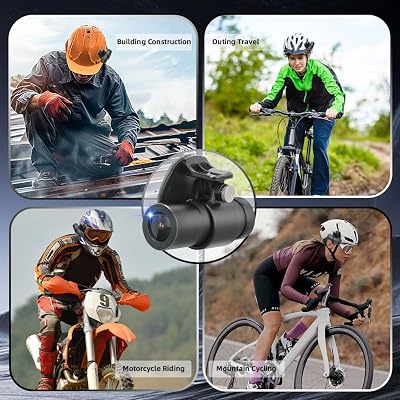
Buy this if you are a casual rider who wants a record of every ride and has no 4K ambitions. The vibration start is a genuine safety win too. In a crash, when you cannot reach a button, the camera is already recording. Skiers get the same benefit, motion-triggered clips with zero fiddling.
Skip it if you need 4K for content work, multi-day tours away from a charger, or a mount that never moves. A bolted-on premium camera is the honest answer in all three cases.
Compare every option on the motorcycle dash cam table, and browse more reviews and guides. You can also see the current price on Amazon for this unit.
A final word on expectations. The vibration auto-start is the whole reason to pick this camera, and it works exactly as described for commuters and casual riders who never want to touch a button. Everything else here is budget-tier by design. Format your card before the first ride, do the one manual power-on that activates vibration mode, and keep the camera out of direct sun when parked. Do that and the VSYSTO does its one job without asking anything from you.
Frequently Asked Questions
Does the camera start recording by itself?
Yes, after a one-time manual power-on to activate vibration mode. After that, it starts recording when it detects helmet movement and shuts down after three minutes of stillness.
How long does the battery last?
About two hours of recording with WiFi off. Keeping the phone app connected drains it faster.
What memory card does it need?
A microSD card up to 256GB, class 10 or U1 rated. The card is not included.
Is it waterproof?
The listing describes a waterproof design for rainy rides, but there is no formal IP rating published for this unit.
Can I use it as a regular dash cam?
You can, but it is helmet-mounted and battery-powered rather than hardwired. It records your rides rather than parking events, and there is no GPS stamping.
Does the vibration mode drain the battery while stored?
Standby drain is minimal once the three-minute shutoff fires. Riders report leaving the camera on the helmet between rides without charging every day. For a full week parked, top it up before the next ride.
Why does it get warm?
The listing calls normal warm-up during recording expected in a sealed unit this small. If it ever shuts down from heat on a hot day, give it a few minutes and it will restart from vibration.