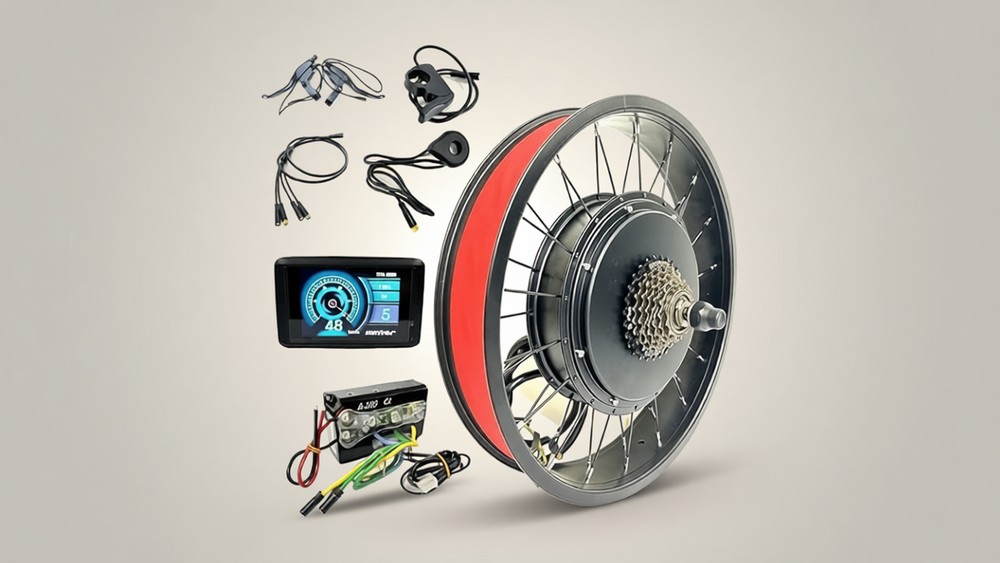
The SZWEDI 72V 5000W kit is not a commuter upgrade. It is a small-motorcycle powertrain for a bicycle frame, and it demands a full 72V system: battery, controller, and charger that all speak the same voltage. Zero buyers have reviewed it, so everything here rests on the spec sheet.
Specs and Value
The 72V configuration is what defines this setup. The majority of standard e-bikes use either 48v or 52v configurations. They are much easier to obtain parts for. 72V opens the doors to higher speeds as well as increased torque density. Therefore, you will need a special battery pack as well as a controller capable of handling the additional stress. If you attempt to connect regular equipment to this kit, you'll probably blow the electronics. 5000W indicates a degree of performance capability that may surpass that of numerous small electric motorcycles.
The value case rests on power-to-weight, not on proven reliability. A 5000W hub also carries serious unsprung mass, which changes cornering and climb behavior in ways a spec sheet never mentions. A 5000W hub motor is extremely heavy. As a result, it significantly increases the amount of unsprung mass located on each wheel. This affects cornering behavior as well as climbing hills. Although the Specs indicate a high degree of performance, the absence of customer feedback creates uncertainty regarding Value. You are buying the possibility of speed, not evidence of it.
Mounting and Physical Fit
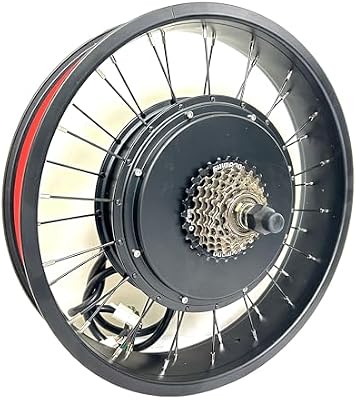
A hub motor conversion is inherently simple since it merely replaces your original wheel. In addition, you do not need to deal with problems related to chain tension or misalignment within mid-drives. This particular szwedi kit is intended to fit inside a standard frame drop-out assembly. However, you need to confirm that your frame width matches the width of the motor's axle. Heavy-duty kits typically require a minimum of a 130 mm or 150 mm space. If your frame is narrower than required, you will encounter significant difficulties while attempting to install the wheel.
The actual size of a 5000W motor is considerable. It appears substantially larger compared to the slender motors commonly found on low-cost commuter bicycles. The extra weight alters the balance point of your bike. You will notice a greater tendency for the bike to pitch forward when leaning during turns. You must also consider adequate clearance for your braking mechanism. Motors generating excessive torque can sometimes cause the axle to spin loose. In most cases, it is necessary to utilize torque arms to prevent this from occurring.
Real-World Performance
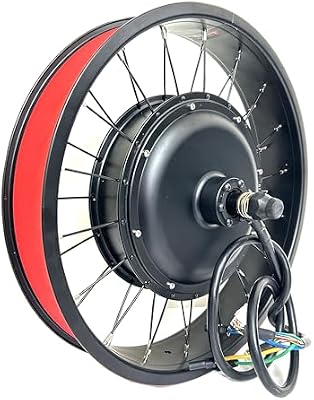
At 5000W, you are indeed dealing with tremendous amounts of power for a bicycle build. The 72V design enables the motor to pull a great deal more current prior to experiencing any noticeable voltage sags. Consequently, you are able to sustain relatively high speeds when traveling uphill where other bicycles would struggle. Nevertheless, you are sacrificing some of that Range by virtue of having such an incredibly powerful motor. You will need a large capacity battery in order to truly make it throughout a ride.
Your Range will ultimately depend upon how efficiently the controller and motor operate. While higher voltage designs tend to be more efficient (i.e., generate less waste heat), you will still consume a lot of battery life simply due to the sheer amount of power being generated by this kit. Your battery will likely be exhausted prematurely unless you have selected one with sufficient capacity to meet your needs. You will trade off longer distances for faster travel times and steeper climbing abilities.
What Amazon Reviewers Are Saying
As of today, there are zero consumer reviews or ratings posted for this kit. This is a red flag for anyone interested in obtaining dependable products that provide proven performance characteristics. Since you won't have the experience of others who've built their projects using this same kit, you'll be completely reliant upon the technical specifications listed in the product description to determine whether the motor overheats or if the controller fails after a couple weeks of service. You take on full responsibility for testing it.
There are no customer reviews available, so there is no way to know if the components used in the kit perform adequately under thermal conditions and/or withstand various stresses applied over time (e.g., wire durability). Most buyers have no incentive to adopt a product with zero validation either way.
Who Should Buy This
This kit suits experienced builders who have worked with high-voltage DC systems. If you want a bicycle that outruns small motorcycles, this is the path. To accomplish this goal, however, you must possess the necessary toolset along with extensive knowledge in troubleshooting 72V systems and selecting compatible componentry.
For Beginners should avoid this project entirely. A 72V, 5kW build is beyond a newcomer. Commuters should pick a 48V kit with a long review history instead.
Compare it against the rest in our ebike conversion kit guide, or dig through the GoMotorbikes blog.
Check the latest price on Amazon.
Frequently Asked Questions
Does the SZWEDI Include a Battery?
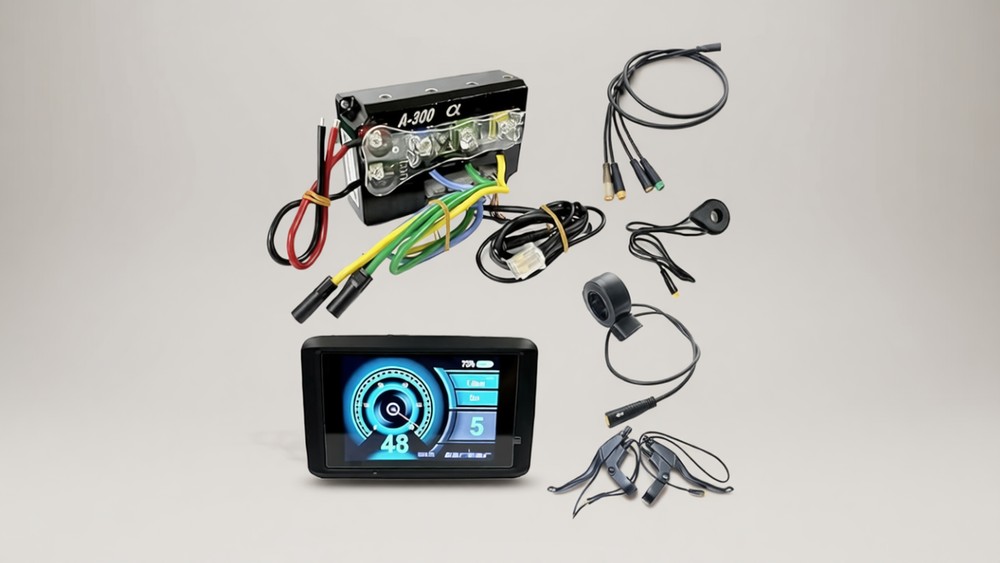
No. The kit ships with the motor wheel, controller, pedal sensor, throttle, electric brake, harness, and controller bag. You must buy a separate 72V battery, and that pack is a major additional cost.
What Battery Do I Need for This Kit?
You need a 72V lithium pack with a BMS rated for at least 80A, and preferably 85A. A standard 72V battery with a weaker BMS will not safely feed this controller and can damage the kit.
What Frame Does This Wheel Fit?
The hub uses a 175mm dropout spacing designed for fat bike frames. Standard mountain bike rear spacing will not accept this hub without significant frame modification.
How Fast Will a 72V 5000W Kit Go?
With a strong battery and a light enough bike, expect well into the 40 to 50 mph range on flat ground, though actual speed depends on rider weight, tire pressure, and battery voltage under load.
Is This Kit Legal to Ride?
Probably not as a standard ebike. Systems over 750W are classified as mopeds or motor vehicles in most US states. Check local laws on licensing, registration, and insurance before building.
Is This a Good Kit for a First Time Builder?
Not really. The strict battery requirements, high power, and lack of customer reviews make it better suited to experienced builders who already understand 72V systems.