Amazon dropped a brushless rear hub kit for less than usual and it boasts high torque for mountain climbing without requiring you to borrow against your home equity. Worth stopping to read this JAYGOVAN 1500W kit listing. Does it live up to its claims?
Here's our take: on paper the motor is very cost effective and the specs generally back that up. The catch is that you are buying on faith because very few reviews have been done yet.
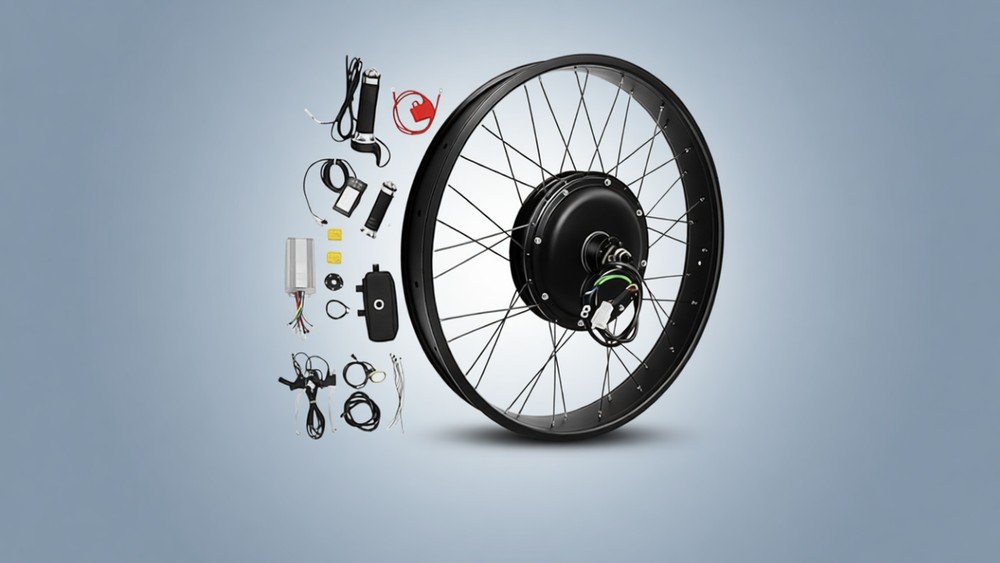
Specs and Build Quality
Start with the specs because numbers are what draw people in. 48 volts and 1500 watts. Brushless hub motor. Efficiency of 80% or more. Peak torque of 55 Nm. That torque is enough to handle climbs that a 500 watt motor would just struggle and whine. Direct drive hub means no gears inside the wheel. Straight motor to wheel connection. Operation is nearly silent and there are fewer parts to break. Regenerative braking becomes strong if paired with a controller that supports regeneration. Tradeoff is weight and drag. Pedaling this unassisted you feel every extra ounce and the resistance of spinning that big motor around. That's the cost of simplicity.
These rims are made of aluminum alloy whereas most kits at this price ship rims made of cheap steel. That matters more than you might realize. Torque flows straight through rim and spokes and cheap rims tend to bend. Bent rims mean broken spokes and broken spokes mean a bad day. That aluminum is really good news too. IP54 electrical rating means it's splash proof. It protects you from rain, mud and puddles for everyday riding. But please don't think you can ford creeks with this protection. That rating won't save you if you submerge it.
One standout feature is the LCD display. It shows speed, trip mileage, battery level and fault codes. Proper fault codes are truly a big plus. Before, you spent hours guessing why the motor died. Now the screen just tells you what is wrong. That alone is valuable.
Installation and Compatibility
This is a rear wheel kit that is 26 inches in size and comes fully laced and ready to bolt on. If your bike runs wheels that use quick release or standard axle width, installation is basically swapping wheels. No spoke adjustments are needed at all. Honestly nothing beats a prebuilt wheel.
Included with the wiring harness are a controller, PAS sensor, twist throttle and display. Connectors use different colors which makes hooking everything together much easier than just staring at a bunch of white plugs hoping everything fits. The PAS sensor mounts to bottom bracket and measures cadence there. Modes include pedal assist, electric assist alone and 1:1 power assist. That 1:1 mode is interesting. As you pedal harder or softer, the motor matches your own effort with thrust. It makes it seem like the bike is working much harder than before you installed this kit. It's a fun party trick indeed.
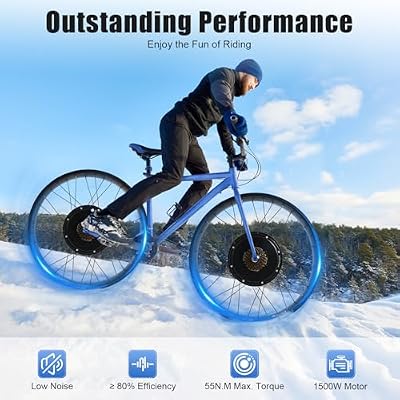
Rear drive puts power where weight already is and traction on loose surfaces is better than front hubs. It also keeps brakes and forks. Rear conversion is more common for good reason. If you are weighing this against other options, our overview of ebike conversion kits breaks tradeoffs down clearly.
What Amazon Reviewers Are Saying
Reviews from Amazon, here's the main drawback to buying this kit today. Currently there are only three reviews on Amazon. That's it. Three. This limits how much you can judge long term reliability from real owners and you definitely want to think about this before you buy.
Reviewers report encouraging things. They say power delivery is strong. Folks who previously used motors between 300 and 400 watts find the jump to 1500 watts impressive. That difference is night and day and not just a small one.
Reviewers also compliment the hub build quality, aluminum rims, and overall appearance. Nobody has complained about cheap materials or fragile components so far. That's good. On the other hand, three reviews is not very many.
But it's also worth remembering that customers usually don't rush to report problems early if the product is built well. Conversely, if there are real shortcomings, complaints would appear quickly in forums and reviews sections. Absence of complaints is not proof but it is not nothing either.
Given riders haven't weighed in much yet, most buyers will probably want more feedback before choosing this kit for daily commuting. But for someone building an affordable ebike that can handle steeper hills regularly, this reads solid based on what is available so far.
Who Is This Kit For?
This kit is for people who really want lots of power at a price that is reasonable. It's for DIY builders who feel comfortable wiring their own ebike. It's for hill climbers who climb steep grades frequently. If you know basic wiring and how to use a multimeter, this weekend project is fun to put together.
Ride steep grades often and this 48V kit with its high torque output of 55Nm will give you a lot of help. That's where it excels. Buyers who don't have steep grades to ride on? Commuters who want very light assistance setup. Builders who demand very quiet operation. Commuters who prefer smaller motors. Gearless hubs add weight to your bike so they're not really the best choice for flat commuting where you'd like to barely notice added weight. If you plan to upgrade in the future, the direct drive nature of this hub along with headroom in the controller leaves room for future upgrades. We track the broader landscape in our blog if you want to compare different options.
Frequently Asked Questions
How Fast Will a 48V 1500W Kit Go?
Maximum speed depends on battery capacity, gearing and weight. On flat ground you can expect roughly 28 to 35 miles per hour depending on your specific setup. Local rules often limit you to 250 watts and 15 miles per hour on the road, so check local regulations before you start flying.
What Type of Battery Do I Need?
You need a 48 volt battery. Amp hours vary based on how far you want to go. Starting with a pack of 48 volts and 13Ah is generally considered a reasonable starting point. Larger batteries stretch your mileage but add weight and cost.
Does This Kit Work with Disc Brakes?
Compatibility depends on your current brake setup on your bike. Most bikes with disc brakes have free hubs and need correct freehub bodies and rotors that match this rear wheel kit. Some bikes already have dropouts ready for disc brakes while others need special adapters. Check compatibility before you buy.
Is the LCD Display Easy to Read?
Yes, the LCD display is very clear. It clearly shows speed, mileage, battery state and fault codes. Fault code readouts are especially useful for quickly figuring out what the problem is without having to mess with wires.
How Waterproof Is This Really?
The IP54 rating means this e-bike component can handle occasional exposure to rain, mud, puddles. Do not submerge it. Protect display and connectors and you are fine.
Is 1500W Too Much Power for a Beginner?
Yes, 1500 watts is a lot. If you have never ridden an e-bike before and open throttle wide, it could be overwhelming. Start on lower settings and begin in pedal assist mode until you feel comfortable.
Conclusion
Look at the specs: 48 volts and 1500 watts along with alloy rims and proper LCD with fault codes and IP54 rating. This JAYGOVAN rear hub kit looks very valuable at an attractive price. Lack of reviews is a real concern but you shouldn't be too scared off yet. Once more owners post feedback about long term reliability, strengths and weaknesses will become clear. For background on comparing hub motors to mid drive options, Bafang has a solid technical explanation at Bafang.