Rider-to-rider intercom range is the one number every helmet headset advertises and almost nobody can verify on a test ride. You buy the headset with the biggest meter on the box, ride your usual roads, and find out the truth somewhere between the first hill and the first truck.
ILM put 2100 meters on the RANGEPRO, which is more than double what most budget units claim, and backed it with a three-mode design that runs from a private two-rider channel to an open group mode.
The price sits well above the generic headset crowd too, so the question is not whether the spec sheet looks good. It is whether anything behind it holds up when real riders bolt it to real helmets.
The verified record for this one is unusually clean on paper, with every reviewer a confirmed buyer, and unusually split in what those buyers have found. That split, and the features no owner has ever reported using, are what this review walks through.
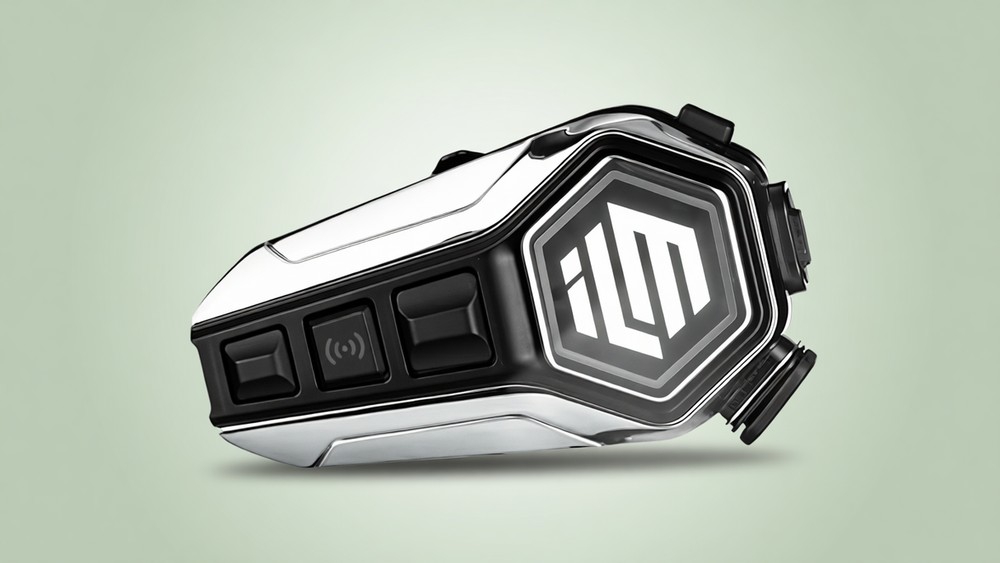
The ILM RANGEPRO is a clamp-on helmet headset that sits in the pricier third of the intercoms we track on price per rider, and the price buys a build and an unusual spec sheet that the record never quite proves.
The listing carries 4.1 stars from 43 ratings, every one of the eleven review texts is a confirmed purchase, and that clean sourcing makes the split inside them worth attention. Some owners have found the volume very loud, others have reported not hearing anything at speed, and the 2100-meter range figure has no owner report behind it at all.
The three-mode design, the group talk and the waterproofing are all in the same position: printed on the page, unexercised in the record. That is a lot of unproven paper at a price above the generic crowd, and the sections below sort what the buyers have actually shown from what the box only promises. You can check its live position in our intercom comparison table.
Three owners cannot hear it, and two say it is very loud
One owner has found they couldn't hear music at all while riding at about thirty mph with the phone volume maxed, and another owner, on a Gixxer 750 with an aftermarket exhaust, has warned against it for anyone whose bike is loud.
Two five-star buyers have called it "So Loud" and "Very loud!", and the long October 2024 text credits good wind-noise reduction and engine-noise reduction along with clear microphone reports. Both sides are confirmed purchases, and the record does not resolve the split.
The details table claims wind-noise reduction tested to 150 km/h and lists Active Noise Cancellation on two separate rows, on a unit whose one-stars describe engine and wind noise winning. The rows repeat the claim without explaining it, and the buyers who hear it working give no conditions to compare against.
Your helmet, your exhaust and your speed change this result more than the chip does. That is the honest read of eleven texts: the hardware is loud for some riders and inaudible for others, and nobody's account explains the difference.
The BMW problem, and three modes nobody in the record has used
One owner with a BMW F850GS has found the headset wouldn't work through the bike's wonder wheel: it had to pair directly with the phone, interference got in the way, and the closing advice was that a cheaper generic unit does the same phone job. That is the most detailed text in the record, and it aims at the integration that would justify paying more than generic.
The listing sells a public mode with no connection limit, a private mode for two, and a group mode for six, yet nobody in the record reports using any of them. Nobody mentions intercom range or group talk, and IP67 waterproofing has no owner report at all.
The only durability data point in eleven texts is a crash: one owner wrecked, and the mounting clip broke. That says nothing about water, range or the modes, and the honest conclusion is that the features a buyer pays the premium for are the ones no owner has exercised.
What 2100 meters means on paper, and what the battery rows hide
The 2100-meter claim rides the maker's proprietary DLDR intercom radio rather than the Bluetooth link, so Bluetooth physics do not cap it. What caps every claim like it is terrain: Wikipedia's Bluetooth article gives typical phone-link range under 10 meters, up to 100 meters for high-power hardware, and 40 to 400 meters for Bluetooth 5.0 class hardware, and the RANGEPRO's Bluetooth 5.2 row governs the phone side.
Intercom range claims quote open terrain, bike to bike, with nothing between the antennas. Hills, bodies and helmets block the signal, and no owner in this record has reported any distance at all.
Battery gets the same treatment. The listing states 12 hours of intercom and 30 hours total, charged in 1.5 hours, and claims in this class are measured at idle or low volume. Loud music at highway speed drains faster, and almost nobody meters it.
The one battery report in the record is a vague "does not disappoint", which is not a measurement.
So the two numbers that sell this headset, range and run time, are the two numbers no buyer has checked.

Worth it for the phone link if 99.99 fits the budget, and test it early
What the record does support is the basics. Owners have found it easy to install, one reports good fitment on a KLX300, the microphone draws clear reports in the longest text, and two buyers describe the volume as very loud. The build survived one owner's crash with nothing worse than a broken mounting clip.
What it does not support is the premium. On our two-rider basis the price per rider lands in the pricier third of everything we track, and the features that separate it from cheaper units, the range, the group modes and the waterproofing, have no owner report behind them. The volume question stays open too.
So treat it as a phone-link headset with a possible intercom bonus. Test the volume with your own helmet and your own exhaust inside the return window, and if controlling it from the bike matters, check the integration before the window closes, because the one BMW owner in the record could not make it work.
The adhesive mount and the clamp both ship in the box, and the listing showed only 15 left in stock when we checked. Its per-rider position against everything else we track is live in the comparison table.

Frequently Asked Questions
How far does the intercom actually reach?
The vendor claims 2100 meters on the proprietary DLDR intercom radio, and no owner has confirmed any distance in real use. Claims like this one assume open line of sight between riders, with hills, bodies and helmets blocking the signal in practice. The Bluetooth side, which carries phone audio, typically reaches under 10 meters.
Can you hear it at highway speed?
The record splits. Three confirmed-purchase one-star texts report not hearing music or speech at speed, one at about 30 mph with the phone at maximum, and two five-star texts call it very loud. Helmet, exhaust and speed decide more here than the spec sheet does.
Does it work with motorcycle controls like a BMW wonder wheel?
One owner has reported that it does not: the headset had to pair directly with the phone, and interference got in the way. If handlebar control matters to you, that is one report, but it is the most detailed text in the record.
How long does the battery last?
The listing states 12 hours of intercom use and 30 hours total, charged in 1.5 hours. Nobody in the record has metered it. The only report is one owner finding the battery life does not disappoint.
Is it worth 99.99?
On our table it sits in the pricier third of what we track on price per rider, for a headset whose range, group modes and waterproofing have no owner reports. The verified record supports install ease, mic clarity and loud music for some riders. Test it inside the return window, because the volume result depends on your helmet and exhaust.