A kit for conversion to electric bike at a throwaway price that packs 1000 watts. That is not a mistake. The DUSNDULR 1000W Rear Hub Conversion Kit on Amazon sells for an unbelievable price for what you get. So what's the catch.
What You Get in the Box
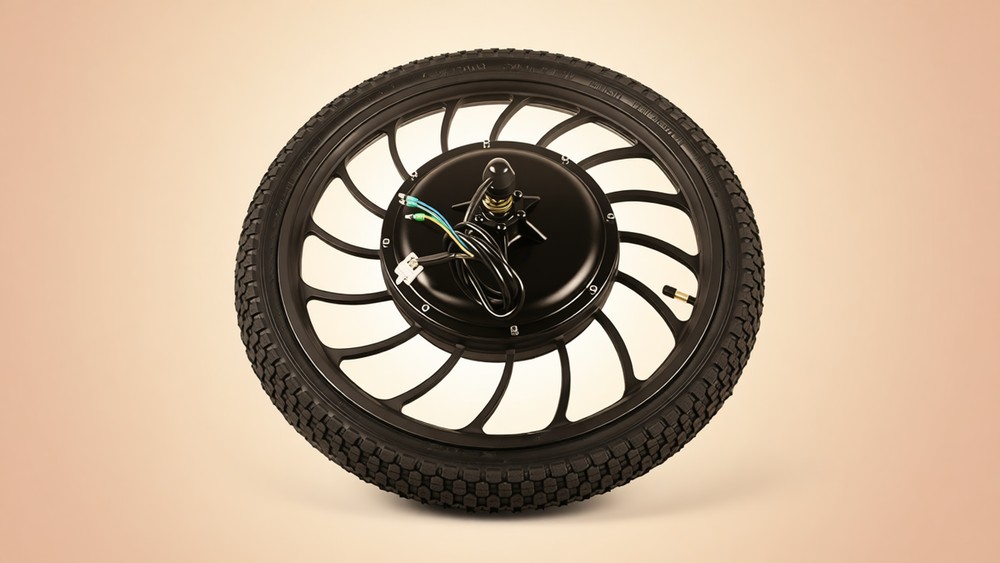
The contents of the DUSNDULR kit ship as a complete rear wheel conversion package. Everything you need to transform a regular bicycle into an electric one comes in the box except the battery.
Included components:
- A 20-inch rear wheel with a brushless hub motor rated at 48 volts and 1000 watts, laced into a cast magnesium wheel
- A pre-installed 7-speed freewheel
- A motor controller that directs power from the battery to the motor
- An LCD display panel showing speed, battery level, trip distance, odometer and level of pedal assistance
- A twist throttle for variable speed control
- Brake levers with integrated switches that cut off the motor
- All wiring harnesses and connectors needed for installation
What you still need:
A battery for your ebike. That big missing piece is a separate battery at this point. A separate battery is a real chunk of the total project cost depending on capacity and chemistry. Overall this conversion remains very competitive.
One standout feature at this price is the mag wheel. Most budget conversion kits ship with spoked wheels that need regular truing. Cast mag wheels are heavier but essentially maintenance free. They never go out of true no matter how many potholes you hit. That alone is a good reason to check the current price on Amazon if you tire of truing spokes. The kit has received a perfect 5 star rating from one Amazon reviewer so far. Limited feedback, but the single review is positive. Hard conclusions are hard to draw from just one data point, but better than none.
Specs and Build Quality
The hub motor is rated at 1000 continuous watts and is brushless direct drive. That puts it squarely in commuter territory. Brushless direct drive motors are mechanically simpler. There are no planetary gears to wear out or get stripped. Fewer moving parts means overall longer service life.
The tradeoffs are weight and low end torque. Direct drive motors are heavier compared to geared hubs of the same power rating and show noticeable cogging drag when coasting. This magnetic resistance is normal for this type of motor and it does create some resistance when the system is off. Acceleration at low speeds is gentler too. The motor pulls smoothly once it starts spinning, but it won't jerk you violently.
On wheels that are 20 inches compared to 26 or 700c wheels, torque at the rim is higher. Smaller diameter gives a mechanical advantage, so the motor feels punchier than the wattage rating indicates. On flat ground with a rider of moderate weight and a fully charged battery, you can cruise at around 22 to 26 miles per hour.
Sealing uses gaskets and perimeter screws in the hub motor casing. The kit has an IP54 rating for waterproofing. It handles spray from any direction. That is good enough for commuting on wet roads, but do not blast it with a pressure washer and do not put it in puddles.
Axles have flat spots machined for mounting torque arms. Good. You definitely need torque arms when installing a hub motor rated at 1000 watts. Axles spin freely inside standard dropouts under hard throttle and that can damage your frame. The kit doesn't appear to include torque arms, so factor that cost into your build.
The wiring harness uses color coded connectors for phase wires, hall sensors and cutoffs for throttle and braking. The length of cable coming out of the axle is long enough to route along the chainstay to a controller mounted on the down tube or tucked inside a frame bag.
The IP54 rating deserves special emphasis at this budget level. Not many kits at this price bother much with proper sealing. See the details on Amazon if weather resistance is important for your build.
Installation
Installation difficulty is moderate. Changing bike tires and tightening bolts should be within your capability if you want to install this kit. The pre-installed 7-speed freewheel saves one step. Most first time builders should budget two to three hours and watch a couple of YouTube videos on hub motor installation first.
Key steps:
- Remove the existing rear wheel from the bike
- Install torque arms into the dropouts (buy these separately)
- Mount the DUSNDULR wheel and tighten the axle nuts
- Mount the controller to the frame using zip ties or Velcro straps
- Route the phase wires and hall sensor cable along the frame
- Connect the LCD display, throttle and brake levers to the controller
- Connect the battery and test the system
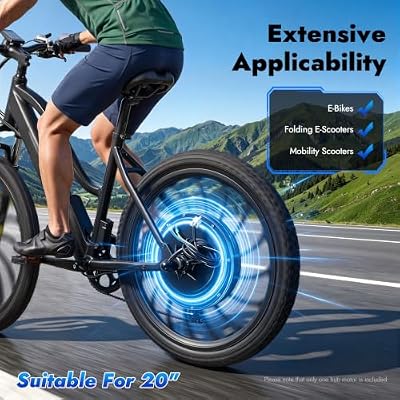
This kit fits only certain frame types. Standard 26-inch mountain bikes and 700c road bikes are ruled out. Folding bikes, small cargo bikes and mini velos fit. If you have a folding bike sitting unused in the garage, adding a 48V battery turns it into a practical commuter at a very reasonable total cost.
The controller is a rectangular separate unit that needs mounting to the frame. It is roughly the size of a deck of cards. Most builders mount it under the downtube or inside a frame bag. The wiring is plug and play with matching connectors, so soldering is not necessary.
The brake levers with motor cutoff switches are basic plastic units at this price. They work fine. When you squeeze them, they cut power. They don't win prizes for feel or build quality, but they do their job.
Who Is This For
This kit is for budget-minded DIY builders. If you have a bike with small wheels and want the cheapest path to electric assistance, this is the right choice. Mag wheels eliminate spoke maintenance and direct drive motors last through many commuting seasons. The pricing creates a very low barrier to entry.
This motor wheel is also a good choice for custom builds. Trikes, scooters and cargo trailers that use 20-inch wheels are natural matches. Cast wheels fare better than spoked wheels in such builds.
Who should skip it:
Riders who need maximum torque off road should look at geared hub motors or mid drives instead. Low speed torque is gentle, but not good for steep technical climbs. Riders with full-size bikes with 26-inch or 700c wheels cannot use this at all either. And people who like the reassurance of reviews from hundreds of customers might want to go with a more well-known brand instead.
One review is not much data. DUSNDULR is new in bike parts. The limited track record merits consideration. Established brands such as Voilamart or Ebikeling cost more, but have strong support and thousands of verified reviews.
If you are new to building electric bikes, a good approach is to start by reading our ebike conversion kits guide to compare motor type, power level and wheel size before making a final choice.
Frequently Asked Questions
Does the DUSNDULR Come with a Battery?
No. You need to buy a separate 48V battery. Spend real money on a good quality battery with proper cells and BMS.
What Bikes Fit 20-inch Wheels?
Folding bikes, small cruisers, BMX bikes and small cargo bikes fit. Standard 26-inch, 27.5-inch and 700c frames do not fit. Measure your current wheel size before ordering.
What Is the Top Speed on Flat Ground?
Expect speeds between 22 and 26 miles per hour depending on rider weight, tire pressure and battery voltage under load. Smaller wheel diameter helps torque but limits top speed compared to larger wheels.
Is the Motor Weather Resistant?
Yes. The IP54 rating means it handles rain and wet roads. Avoid pressure washers, deep puddles and submersion.
Do I Need Torque Arms?
Yes. Hub motors rated at 1000 watts need to have torque arms installed on both sides of the axle. The kit doesn't appear to include them. Buy a pair of universal hub motor torque arms separately.
How Long Does Installation Take?
First time builders should plan on two to three hours. The process is pretty straightforward. The wiring plugs directly in and soldering is avoided. The pre-installed freewheel saves one step. Watch some videos about hub motor installation before you start.
Check out our blog for more build ideas and comparisons between hub motors and mid-drive systems.